
Imagine being paid to live in a beautiful town, surrounded by rich culture, breathtaking landscapes, or even state-of-the-art tech hubs. This dream has become a reality in many parts of the world. Governments in various countries are offering financial incentives for individuals, families, and entrepreneurs willing to relocate.
Whether it’s to combat depopulation, stimulate economic growth, or attract skilled professionals, these countries have developed compelling programs designed to rejuvenate their regions. These incentives go beyond just money - they offer a fresh start and a gateway to explore new lifestyles.
Find perfect apartments for rent in Europe
Why countries pay people to move there
You might be wondering, why would any government offer money just to have people move in? The answer lies in necessity. Many rural towns across Europe, North America, and Asia are experiencing sharp population declines.
Young people are leaving for cities, and birth rates are falling, leaving behind aging populations and ghost towns. To reverse this trend, governments are providing cash grants, housing subsidies, and tax breaks to entice new residents. Moreover, in countries with fast-growing economies, like Chile and South Korea, there’s a strong need for entrepreneurs, tech workers, and highly skilled migrants.
These nations view relocation programs as long-term investments in their local communities and economic futures.
Chile – embrace innovation in South America
About Chile
Chile is a long, narrow country stretching along South America's western edge, bordered by the Pacific Ocean and the Andes Mountains. It boasts a diverse climate, from the driest desert in the north to icy fjords in the south. Santiago, the capital, is a dynamic city full of life, technology, and entrepreneurship. The country’s political stability and focus on innovation make it a hotspot for business-minded individuals seeking a new home with plenty of growth opportunities.

Incentives and requirements
One of Chile’s most notable initiatives is the Start-Up Chile program. This globally recognized initiative offers up to $40,000 in equity-free funding to entrepreneurs from around the world who wish to establish a tech or innovation-based startup in Chile.
Successful applicants are given a 1-year temporary visa, mentorship, office space, and access to an expansive business network. To qualify, applicants must present a viable and scalable business idea with global impact potential.
The program has already helped thousands of startups and continues to attract ambitious entrepreneurs seeking to make their mark in Latin America.
Denmark – startups welcome
Danish government schemes
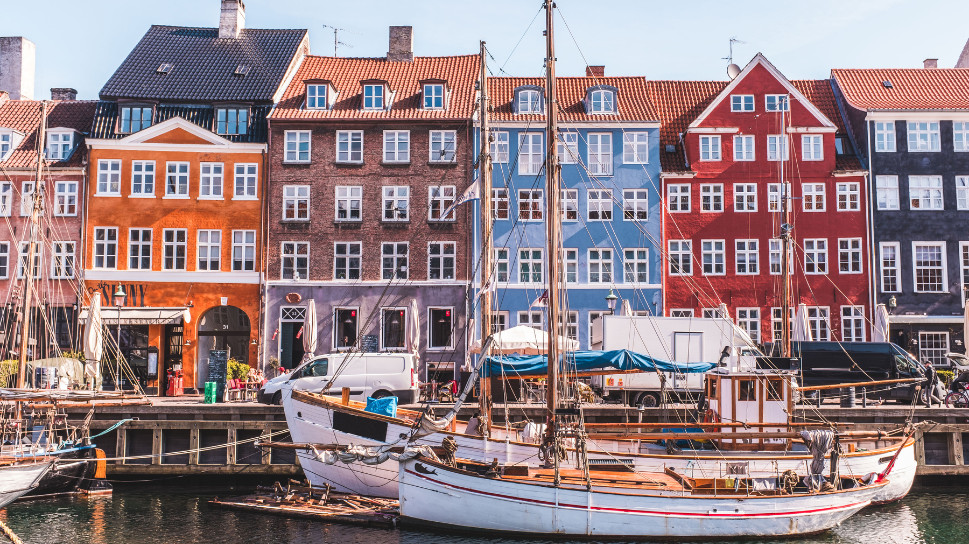
Denmark, known for its high quality of life and strong social systems, has turned its attention toward entrepreneurship. The Startup Denmark program is designed to attract non-EU entrepreneurs with innovative business ideas. The program offers a 2-year residence and work permit for up to two founders and provides access to Denmark’s startup ecosystem, incubators, and funding sources.
Who qualifies?
Applicants must submit a detailed and innovative business plan that meets the criteria set by an expert panel. The business idea must be scalable and contribute positively to the Danish economy. Additionally, applicants must demonstrate the ability to financially support themselves while establishing their business in Denmark.
This program is ideal for entrepreneurs ready to explore European markets from a highly connected and innovation-friendly country.
Ireland – tech opportunities and rural renaissance
Life in Ireland
Ireland offers a blend of modern urban life and serene rural landscapes. Dublin is a booming tech hub, often called the "Silicon Valley of Europe," while the countryside boasts stunning coastlines and ancient castles. The cost of living in rural areas is relatively lower, making it appealing for families and remote workers seeking a peaceful lifestyle.
Government support programs
Through its Rural Repopulation Initiative and support from Enterprise Ireland, the government offers financial incentives for individuals and startups. Grants can range from €15,000 to €50,000 for new businesses, particularly those willing to relocate to underpopulated areas.
Remote workers can also access coworking spaces and networking opportunities funded by the government. Most programs require proof of consistent income or a sustainable business model and a commitment to live and contribute to the local economy for at least 12 months.
Italy – charm and cash in Candela and Sicily
Find perfect apartments for rent in Italy
Candela, Italy
Village life and landscape
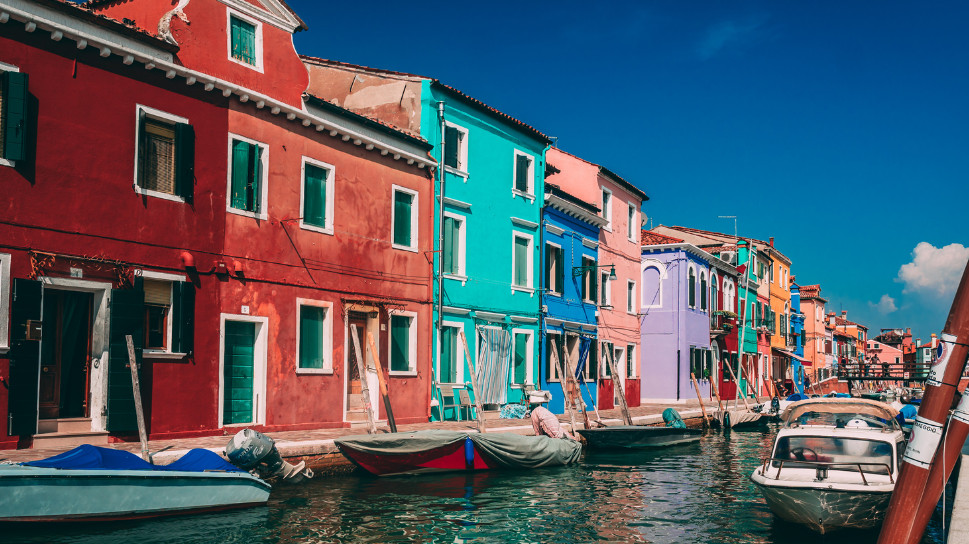
Candela, located in the Apulia region of southern Italy, is a charming medieval village with narrow streets, terracotta rooftops, and panoramic views of the surrounding countryside. Once nicknamed “Little Naples” due to its bustling streets, Candela has seen a sharp decline in population over the decades.
The local government is now on a mission to restore its vibrancy by offering incentives to attract new residents.
Moving requirements and benefits
To revitalize the town, Candela is offering between €2,000 and €2,800 to people who move in and register as residents. Families receive higher payments than individuals, and there are specific requirements: newcomers must rent or buy a home, earn a minimum of €7,500 annually, and commit to staying for at least a year. The goal is to ensure that those moving in can contribute economically and socially to the village, not just collect the cash.
Sicily’s 1 Euro Homes
The opportunity behind the price tag
Several towns in Sicily, including Mussomeli and Sambuca, have launched the 1 Euro Home initiative. These programs offer abandoned homes for the symbolic price of one euro to encourage urban renewal and tourism. While the price is attractive, there are expectations regarding renovation and long-term commitment.
How to qualify
Buyers must agree to renovate the home within a specified timeframe, usually three years. A refundable deposit of about €5,000 is required to ensure renovations are completed. Renovation costs vary but typically range from €15,000 to €50,000.
Though the initial investment may seem significant, the program offers the chance to own a piece of historic Italy and live affordably in one of Europe’s most beautiful regions.
Albinen, Switzerland – get paid to live in the Alps
Scenic beauty of Albinen
Albinen is a quaint alpine village in the Valais canton of Switzerland, surrounded by majestic mountains and postcard-perfect scenery. Known for its tranquility and fresh air, Albinen offers a quality of life that’s hard to find elsewhere.
However, with a dwindling population and a lack of young families, the local government has initiated an extraordinary offer to revitalize the village’s future.

Eligibility criteria
To encourage new residents, Albinen offers CHF 25,000 for each adult and CHF 10,000 per child who relocates to the village. A family of four could receive up to CHF 70,000. The requirements are straightforward but strict: applicants must be under 45 years old, commit to living in Albinen for at least 10 years, and purchase or build a home worth at least CHF 200,000.
This initiative isn’t a free ticket—it’s an invitation to invest in and become part of a thriving, sustainable community.
Mauritius – a digital nomad’s tropical retreat
Island living with perks
Mauritius, a tropical island in the Indian Ocean, is increasingly appealing to remote workers who crave sunshine, beaches, and reliable internet. With its strong legal system, bilingual environment (English and French), and affordable luxury lifestyle, Mauritius is ideal for expats looking for balance between productivity and relaxation.
Visa and payment conditions
The government’s Premium Visa allows remote workers to stay for up to one year, renewable annually. While Mauritius doesn’t offer direct cash incentives, it provides major financial perks like zero local income tax, duty-free imports, and a fast visa process.
Applicants must show a monthly income of at least $1,500 USD, valid health insurance, and proof of remote employment. It’s a dream scenario for freelancers and entrepreneurs eager to escape the rat race.
Korea, Thailand, and Vietnam – remote work paradises
Find perfect apartments for rent in Thailand
Southeast Asia’s affordable living
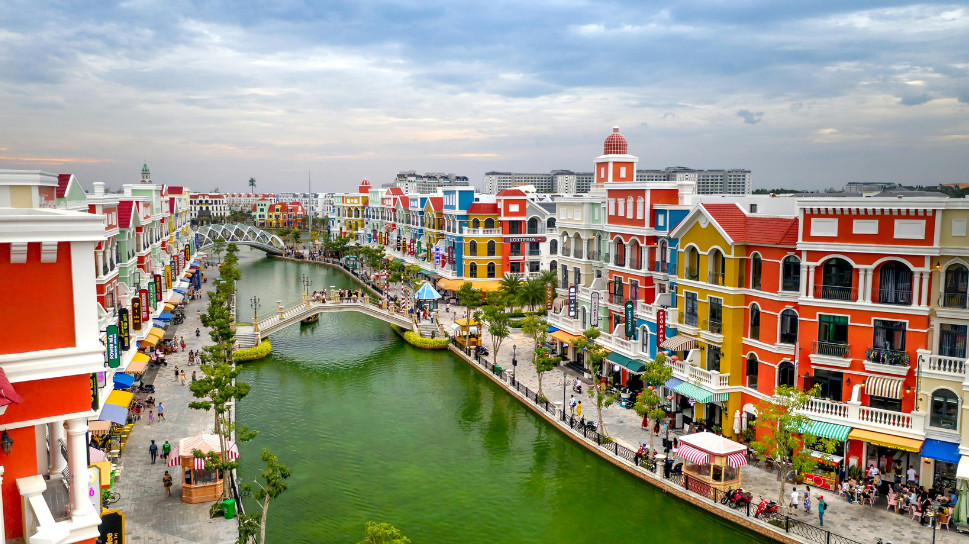
Southeast Asia is quickly becoming a go-to destination for digital nomads and remote workers. Countries like South Korea, Thailand, and Vietnam offer a blend of affordable living, modern infrastructure, rich cultures, and delicious cuisines. These nations are also responding to the global shift in work culture by tailoring visa and incentive programs to attract foreigners looking for long-term stays.
Relocation grants and digital nomad visas
South Korea offers the K-Startup Grand Challenge, where selected entrepreneurs receive funding, free workspace, and visa support. Thailand’s Long-Term Resident (LTR) Visa provides a 10-year stay with tax incentives and fast-track immigration for professionals and wealthy retirees.
Vietnam is exploring similar schemes, with pilot smart visa programs targeted at skilled digital workers and entrepreneurs. While the details vary, most of these programs require proof of stable income, a clean criminal background, and sometimes an investment in local business or real estate.
Saskatchewan, Canada – opportunities in the prairies
Quality of life and career potential
Saskatchewan, a Canadian province known for its friendly residents, wide-open landscapes, and booming agriculture sector, is actively recruiting newcomers. The province offers a solid job market, a lower cost of living compared to major cities, and excellent public services such as healthcare and education.
Immigration and financial support
The Saskatchewan Immigrant Nominee Program (SINP) targets skilled workers, entrepreneurs, and recent graduates. Depending on your background, you could qualify for relocation assistance of up to CAD $20,000 through settlement services or employer programs.
In-demand occupations include healthcare professionals, tradespeople, IT specialists, and farmers. Applicants must go through a nomination process and typically need a job offer or intent to start a business in the province.
New Zealand – incentives for skilled migrants
Demand for specific skills
New Zealand, renowned for its natural beauty and high quality of life, is actively seeking skilled workers to support its economy. The country’s labor market has shortages in healthcare, construction, engineering, and information technology.
Financial assistance programs
To fill these gaps, the government offers incentives such as:
- NZD $10,000 relocation grants for healthcare workers.
- Visa fast-tracking for high-demand roles.
- Support services for families, including school placement and community integration.
Applicants generally require a job offer, proof of qualifications, and compliance with English language requirements. New Zealand offers an attractive proposition for professionals seeking stability, family-friendly living, and a chance to build a future in a peaceful yet progressive society.
Ponga, Spain – breathe new life into old villages
Find perfect apartments for rent in Spain
The Spanish rural revitalization scheme
Like many European villages, Ponga in northern Spain is suffering from depopulation. To counter this, the local government is offering substantial cash rewards to encourage young families to relocate and build a life in their community. With lush greenery, mountainous terrain, and a peaceful atmosphere, Ponga is an idyllic escape from the noise of urban life.

Payouts and what you need
New families receive a €3,000 relocation grant, plus an additional €3,000 per child born or brought into the village. To qualify, you must commit to living in Ponga long-term and contribute economically, often by starting a small business or participating in the community.
The village hopes these incentives will inject new energy into local schools, shops, and services.

Pros and cons of relocating for payment
Pros:
- Financial support can ease relocation costs.
- New experiences and opportunities for personal growth.
- Access to affordable living, especially in smaller towns.
- Career advancement and startup possibilities.
Cons:
- Cultural differences may take time to adapt to.
- Language barriers can limit social and job opportunities.
- Long-term residency requirements may tie you down.
- Initial investment may be needed for homes or businesses.
Evaluating these pros and cons carefully is key before making such a significant life decision.
Tips for a successful move abroad
- Start early with research on the country’s visa, apartment websites, and health systems.
- Visit the location before making long-term plans.
- Create a financial cushion to support yourself in the transition period.
- Join expat forums or social groups to build a support network.
- Hire a local consultant or attorney to navigate bureaucracy and legal matters.
Preparation makes the difference between a successful relocation and a stressful misadventure.
Frequently Asked Questions (FAQs)
1. Are these programs legitimate?
Yes, most are official government programs or supported by local councils. Always verify through government websites.
2. Can I bring my family?
Yes, many countries encourage family relocation and even offer additional grants per child.
3. What happens if I leave early?
You may have to return the funds or forfeit the deposit, depending on the program's terms.
4. Do I need a job before I apply?
Not always. Some programs focus on business investment or remote work, while others require a job offer.
5. What documents are typically needed?
You’ll need ID, proof of income, health insurance, and sometimes a clean criminal record and job offer.
6. How long do I need to stay?
Durations vary from 1 to 10 years, depending on the program and country.
A new life awaits
The idea of getting paid to move may sound like a fantasy, but it’s very real - and growing in popularity. From the serene mountains of Switzerland to the sun-soaked villages of Spain and the bustling innovation hubs of Chile, these 10 countries that pay you to move there are offering not just financial incentives, but a chance at transformation.
If you’ve been yearning for a new beginning, lower living costs, or a lifestyle more aligned with your values, these relocation opportunities could be your next big move.