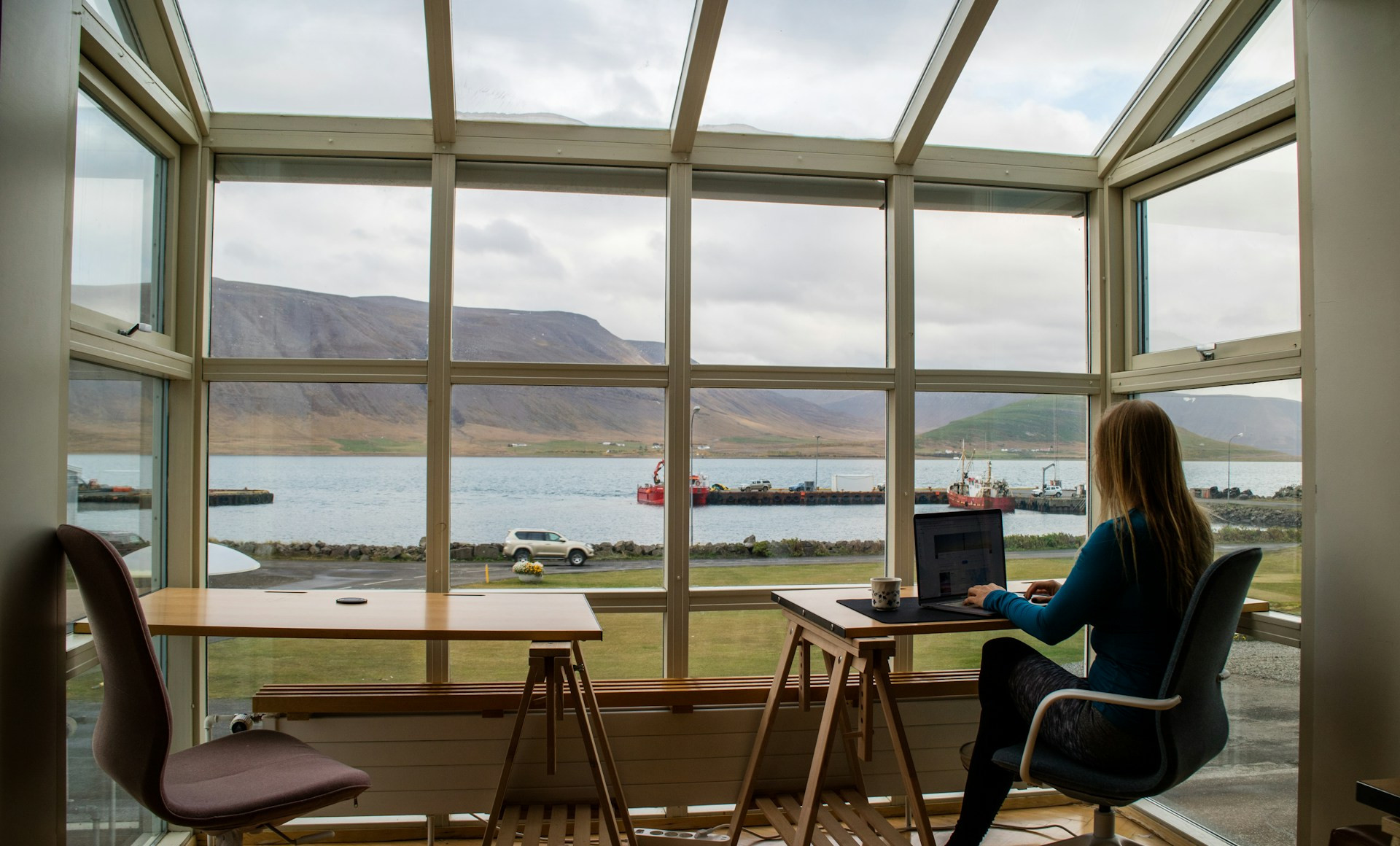
Remote jobs have revolutionized how people earn a living, removing the need to commute or be tied to a physical office. Leveraging connectivity and digital tools, remote workers can operate from nearly anywhere - whether that's a cozy home setup, a bustling co-working space, or a beachside café halfway across the globe.
This flexibility opens doors to improved work-life harmony, access to diverse roles worldwide, and a greater sense of autonomy. However, it also comes with unique challenges that require smart planning and disciplined routines.
Find perfect apartments in Europe
Benefits of remote jobs
Remote roles come with a wide array of advantages that appeal to professionals from many walks of life. Whether you're after flexibility, savings, or personal well-being, remote work has something to offer.
Here's a breakdown of the top perks:
- Flexibility in working hours - Choose to work during times when you're most alert, whether that's early morning or late at night.
- Improved work-life balance - Spending less time commuting means more time for family, hobbies, or rest.
- Elimination of commuting - Save on transport costs, reduce stress, and reclaim daily hours for more productive or pleasurable activities.
- Global employment opportunities - Land roles with companies located anywhere in the world, no relocation needed.
- Reduced expenses - Work-from-home setups minimize costs for office attire, lunches, and daily travel.

Challenges of remote jobs
Despite its many benefits, remote work isn't always smooth sailing. Certain drawbacks can emerge if not properly addressed.
Let’s dive into what to anticipate and manage:
- Feeling isolated - Handling tasks solo can get lonely without casual office banter or team interaction.
- Home distractions - From pets to chores, working from home can blur the line between productivity and personal errands.
- Blurred boundaries - It's easy to let work spill into personal time if hours aren’t clearly defined.
- Communication friction - Without face-to-face interactions, misunderstandings may arise more easily.
- Time zone differences - Working remotely across countries often requires navigating odd-hour meetings and coordination.
Find perfect apartments in Portugal
Types of remote work
The opportunities in remote work span a wide range of fields, from supportive roles to creative responsibilities.
Here's a glimpse into popular remote job categories:
Customer support - Assist customers online or via phone for global companies.
Software development - Develop and maintain applications remotely, with collaborative tools like Git and Slack.
Digital marketing - Manage content, SEO, ads, and social media strategies from anywhere.
Design and creative - Work on graphic design, UI/UX, and multimedia editing using cloud-based tools.
Virtual assistance - Coordinate schedules, handle emails, plan events, and manage administrative tasks remotely.
Top 10 remote jobs with average salaries
As the remote work ecosystem continues to grow, certain roles have risen in popularity due to their flexibility, high demand, and competitive salaries.
Whether you're starting a new career or transitioning from a traditional office setup, these positions offer strong earning potential and location independence.
Below is a table listing the most sought-after remote jobs along with their estimated average annual salaries:
| Job Title | Average Annual Salary (USD) | Description |
|---|---|---|
| Software Developer | $90,000 – $130,000 | Design, develop, and maintain software or applications. |
| Digital Marketing Manager | $70,000 – $100,000 | Oversees online campaigns, SEO, PPC, and brand visibility. |
| UX/UI Designer | $65,000 – $95,000 | Designs user interfaces and improves customer experience. |
| Data Analyst | $60,000 – $85,000 | Analyzes data trends to support business decisions. |
| Project Manager | $75,000 – $110,000 | Coordinates team efforts and project timelines remotely. |
| Content Writer / Copywriter | $45,000 – $70,000 | Creates articles, blog posts, and marketing copy. |
| Virtual Assistant | $30,000 – $55,000 | Provides administrative and scheduling support. |
| Customer Support Specialist | $35,000 – $55,000 | Handles inquiries and resolves customer issues. |
| Cybersecurity Analyst | $80,000 – $120,000 | Protects systems from security threats and data breaches. |
| Online Educator / Course Creator | $50,000 – $90,000 |
Teaches or builds e-learning content in various subjects. |
These figures are based on data from global remote job platforms and can vary depending on industry, experience, and geographic region.
Choosing a role aligned with your strengths and market trends can lead to both financial growth and work satisfaction.
Find perfect apartments in Spain
How to find remote jobs
Securing a remote position often involves a slightly different strategy than traditional job searches.
Here's a guide to finding and landing the right remote role:
- Remote-focused job boards - Sites like FlexJobs, We Work Remotely, Tymzo and Remote.co match candidates with legitimate remote roles.
- Freelance platforms - Upwork, Fiverr, and Toptal connect you to project-based gigs in various specialties.
- Company careers pages - Use filters like “remote,” “telecommute,” or “distributed” to find fully remote teams.
- Networking - Engage in LinkedIn groups, Slack channels, and virtual meetups to get referrals and leads.
- Job alerts - Set remote job filters on LinkedIn, Indeed, and Glassdoor to get real-time notifications.
Setting up for success
Working remotely isn’t just about location freedom - it also requires a structured setup and professional mindset. Here’s how to set yourself up for productive success:
- Reliable tech setup - Ensure you have a fast internet connection, a dependable laptop, quality webcam, and headset. For remote workers who move between locations or work from places without fixed broadband, a dedicated mobile data connection is equally essential you can get a SIM card on a business mobile plan to stay reliably connected wherever you work from.
- Dedicated workspace - Create a designated area for work that’s quiet and free from interruptions.
- Time management habits - Use to-do lists, time-blocking strategies, or tools like Pomodoro for focus and balance.
- Helpful productivity tools - Platforms like Slack, Zoom, Trello, Asana, and Notion support workflows and communication.
- Strong self‑discipline - Cultivate routines, break down big tasks, and set clear start/end times to stay on track.
Employers & remote culture
For remote teams to thrive, employers must embrace new cultural norms and management methods.
Here's how companies structure remote-friendly cultures:
- Clarity in communication - Clearly defined goals, expectations, and constructive feedback reduce confusion.
- Regular check-ins - Daily or weekly video meets, status updates, and virtual standups keep teams connected.
- Tool integration - Shared project boards, file storage, chat apps, scheduling tools, and a remote workforce management app help distributed teams stay aligned, track progress, and maintain accountability without constant check-ins.
- Trust-based culture - Evaluation centers on results and output - not clocked hours.
- Virtual social interaction - Online hangouts, game sessions, and periodic retreats strengthen team bonds.
Career & financial implications
Remote work can unlock exciting career paths and financial adjustments.
Here's what to keep in mind as you transition:
- Location-based pay policies - Some companies adjust compensation based on where you live.
- Tax and benefits - Remote work abroad may affect residency status, social security, and health coverage - consult a specialist.
- Skills development - Remote roles can enhance time management, digital collaboration, cross-cultural communication, and independent leadership.
- Visibility challenges - Building reputation means actively reporting accomplishments and maintaining frequent communication.
| Question | Consideration |
|---|---|
| Do you like working solo? | Solitary work demands focus and self-reliance. |
| Are you highly organized? | Managing tasks and scheduling independently is vital. |
| Comfortable with technology? | Daily use of digital tools is a core requirement. |
| Good at remote communication? | Written and video clarity helps team alignment. |
| Motivated outside an office? | Self-drive is key when energy isn't office-sourced. |
Find perfect apartments for rent in Greece
Top 10 locations for remote workers 🌍
Explore ten standout countries where remote work meets affordability, community, and quality of life. For each destination, we cover living costs, rental options, and local remote-community resources.
Portugal (Porto, Lisbon, Madeira)
A favorite among digital nomads thanks to its warm climate, excellent internet, and welcoming expat vibes.
- Cost of living:
- Single person: around €1,000–1,500/month, excluding rent.
- In Lisbon: closer to €1,500–2,000/month for essentials.
- Rent:
- Community:
- Well-developed coworking spaces like Second Home and Avila Workspace.
- Local meetups, digital nomad groups, and English-speaking professional networks.
Thailand
Thailand, a Southeast Asian gem is celebrated for its coziness, cost-efficiency, and heartfelt hospitality.
- Cost of living:
- ~$800–1,200/month depending on city and lifestyle.
- Rent:
- Chiang Mai: ~€300–500/month for a 1‑bedroom.
- Bangkok: ~€500–800/month for similar apartments.
- Community:
- Chiang Mai and Bangkok host strong digital nomad communities.
- Abundant coworking hubs, visa help services, and in-person networking events.
Hungary
Budapest is a European capital renowned for its rich history, buzzing tech scene, and affordability.
- Cost of living: ~$1,200–1,600/month with utilities and rent.
- Rent: Central 1‑bedroom apartments run about €600/month.
- Community:
- High-speed internet and modern coworking like KAPTÁR.
- Frequent meetups, networking alongside architects, coders, creatives.
Spain
Spain offers cultural richness, temperate weather, and robust infrastructure for remote professionals.
- Cost of living: Approximately €1,300–1,800/month in larger cities.
- Rent: 1‑bedroom downtown flats cost between €800–1,200/month.
- Community:
- Coworking centers like Talent Garden, Impact Hub.
- Regular digital nomad meetups and startup networking circles.

Indonesia
Indonesia, especially Bali, is a magnet for remote workers craving tropical climate, community, and fitness culture.
- Cost of living: ~$800–1,200/month for comfortable living.
- Rent: 1‑bedroom villas or apartments: ~$400–700/month.
- Community:
- Co-living spaces in Canggu and Ubud.
- Workshops, yoga retreats, and dedicated coworking venues.
Mexico
Mexico blends cultural richness and modern infrastructure, setting up a warm and vibrant remote work base.
- Cost of living: ~$1,000–1,500/month in urban hubs.
- Rent: 1‑bedroom apartments in Mexico City/Playa: ~$500–800/month.
- Community: Growing coworking scene, digital nomad meetups, and cultural integration events.
Croatia
Croatia is gaining popularity with its scenic beauty, stable internet, and government-backed nomad programs.
- Cost of living: ~$1,300–1,800/month including rent.
- Rent:
- 1‑bedroom in coastal towns: ~$600–1,000/month.
- Zagreb often slightly cheaper.
- Community: Active nomad visa, coworking hubs along the Adriatic, and remote worker villages.
Czech Republic
Boasting preservation, innovation, and architecture, reclaiming a strong presence on the nomad map.
- Cost of living:
- Prague: about $2,300/month.
- Brno: €800–1,000/month excluding rent.
- Rent:
- Community:
- Digital nomad visa available.
- Virtual and in-person coworking and integration initiatives aplenty.
Italy
Italy offers art, culture, and world-class cuisine paired with growing remote-friendly facilities.
- Cost of living: Roughly €1,200–2,000/month depending on the city and lifestyle.
- Rent: Central apartments: €800–1,200/month for one bedroom.
- Community: Remote networking groups, coworking spots, and startup communities across major cities.
Turkey
Turkey combines cultural fusion, affordability, and accessibility for remote professionals.
- Cost of living: ~$900–1,400/month in Istanbul.
- Rent: 1‑bedroom central flat: ~$400–600/month.
- Community:
- Emerging coworking locations.
- Vibrant ex-pat groups and cultural integration events.
Find perfect apartments in Croatia
FAQ
1. What exactly defines a remote job?
A remote job means your employment isn’t tied to a physical office. You use digital tools for collaboration and work from a location of your choosing - be it your home, a co-working hub, or a café.
Communication, project delivery, and performance tracking are all handled virtually.
2. Can I work remotely while traveling?
Yes! Many remote roles welcome global mobility.
Key factors to manage are ensuring:
- Reliable internet wherever you go
- Compatibility across time zones with your colleagues or clients
- Legal compliance regarding visas and work regulations
3. Are remote jobs stable?
Stability varies. Some remote positions are full-time with benefits and retention strategies, while others are project-based or freelance.
Your job security typically hinges on the company, contract type, and your continuous performance.
4. How do taxes work for remote workers abroad?
Taxation can be complex when working abroad.
Factors to consider:
- Dual-tax residency (your home and host countries)
- Tax treaties that prevent double taxation
- Requirements for self-employed, VAT, or social security contributions
- A qualified tax advisor is essential for remote workers journeying abroad.
5. Do remote jobs pay less?
Compensation depends largely on company policies:
- Some firms offer location-based pay tied to local cost of living
- Others maintain global salary parity, paying equally for the role regardless of where you're based
- Always clarify pay structure during negotiations.
6. How can I avoid burnout while working remotely?
To steer clear of overwork and exhaustion:
- Establish clear work hours and take regular breaks
- Customize a functional workspace
- Stay connected with peers through chats, virtual lunches, or casual meetups
- Make time for social activities, exercise, and mental wellness
Remote work provides unparalleled freedom, enabling professionals to balance career goals with personal growth and global exploration. While the flexibility, cost savings, and international job pool are major attractions, thriving remotely takes intentional effort - setting boundaries, maintaining communication, and choosing environments that support your lifestyle and productivity.
The world is now your office. Whether life calls you to Lisbon's historic streets, Bali’s tropical serenity, or Budapest’s tech-forward cafes, choose the location that complements both your career and your heart.
Main photo: Kristin Wilson on Unsplash