Slovenia, one of Europe’s hidden gems, has officially joined the ranks of countries offering a digital nomad visa. This program is designed specifically for remote workers who want to legally live and work in Slovenia for up to 12 months.
Whether you're a freelancer, entrepreneur, or an employee of a foreign company, this visa could be your ticket to experiencing life in the heart of Europe without the usual bureaucratic headaches or high costs associated with countries like France or Germany. With a compelling mix of affordability, natural beauty, and growing digital infrastructure, Slovenia offers an ideal environment for modern nomads seeking productivity and adventure.
Find perfect apartments for rent in Slovenia
What is Slovenia’s digital nomad visa?
Slovenia’s digital nomad visa is a legal permit allowing remote professionals from non-EU/EEA countries to reside and work in the country for up to a year, provided they work for an employer or run a business based outside Slovenia.
Unlike traditional work permits, this visa does not allow you to take up local employment, but it does legitimize your stay while maintaining your global job. It mirrors programs in other forward-thinking European nations but shines with its efficiency and low barriers to entry. The initiative reflects Slovenia’s growing commitment to attracting location-independent professionals who contribute economically without tapping into public services.
Why Slovenia is an ideal base for digital nomads
Slovenia’s charm lies in its balance of quality living and cost efficiency. The cost of living is significantly lower than in most Western European countries. In cities like Ljubljana, you can rent a stylish apartment for €500–€700 per month and dine out for under €10. Internet speeds are fast and reliable, perfect for Zoom calls or cloud-based work.
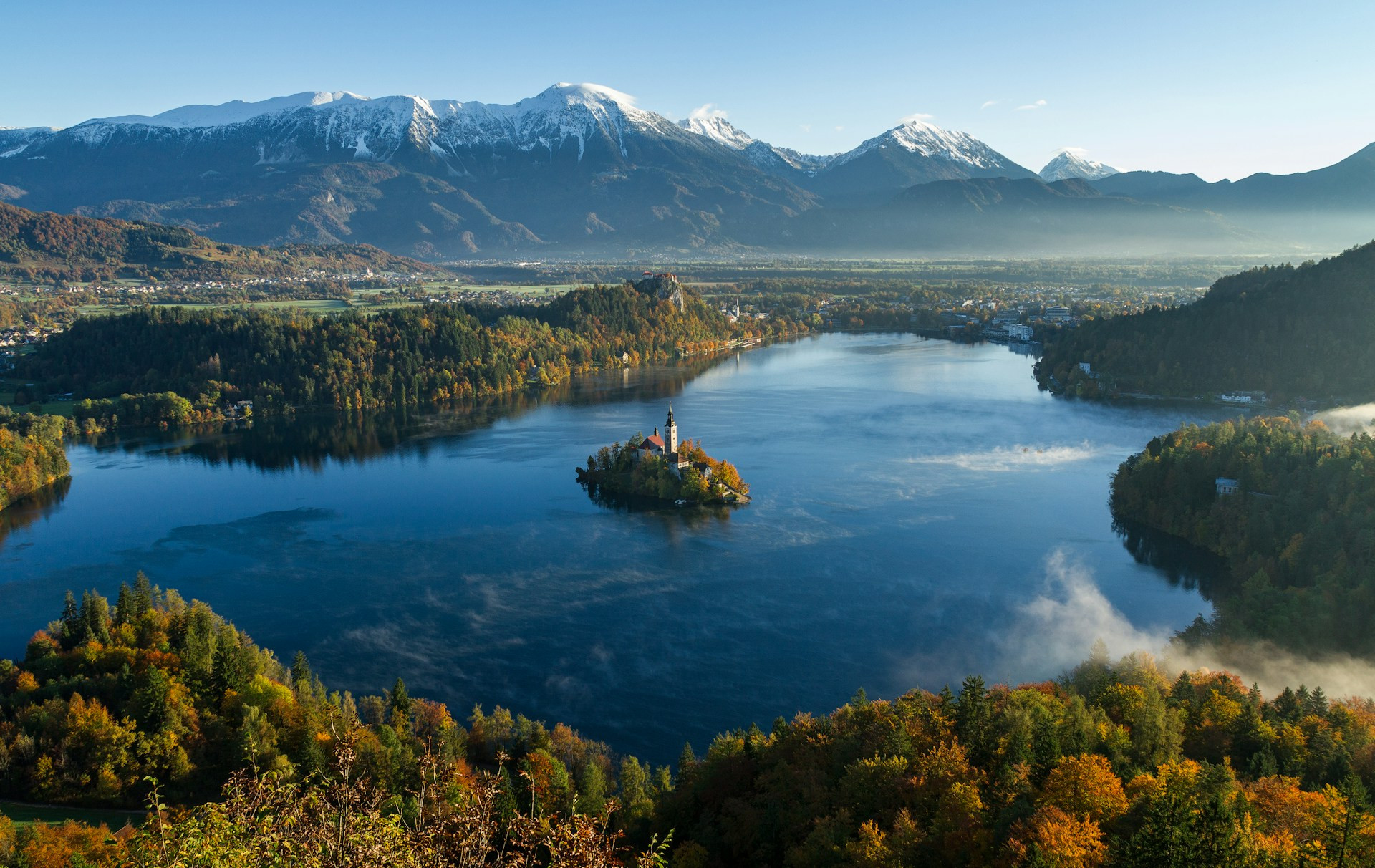
Geographically, Slovenia is a dream. Picture this: working in a cozy mountain cabin in the Julian Alps in the morning and sipping wine on the Adriatic coast by evening. The small size of the country means nature, city life, and even neighboring countries like Italy and Austria are always within reach.
Add in excellent public transportation, clean streets, and a reputation for safety, and it’s no wonder more digital nomads are putting Slovenia on their radar.
Key eligibility criteria
Slovenia’s visa criteria are refreshingly straightforward, aimed at minimizing red tape. To be eligible:
- You must not be an EU/EEA citizen.
- You must be employed by a foreign company, run your own international business, or freelance for overseas clients.
- Your monthly income must meet or exceed approximately €2,800, proving you can support yourself independently.
- You’ll need proof of valid health insurance that covers your stay in Slovenia.
- A clear criminal record is also essential to demonstrate good character.
These requirements serve to protect Slovenia’s welfare system while inviting responsible, financially stable professionals.
Application process
Applying for Slovenia’s digital nomad visa is user-friendly compared to other European nations. Here’s a breakdown:
- Start at the Slovenian embassy or consulate in your home country or country of legal residence. Some consulates may also accept applications by mail.
- Submit essential documents, including a valid passport, job or client contracts, proof of income, bank statements, health insurance, a police background check, and accommodation in Slovenia confirmation.
- Wait 2–8 weeks for processing, depending on where you apply and whether further information is needed.
- Upon approval, you’ll be issued a temporary residence permit, which you collect in person once in Slovenia.
The government is also working to streamline the process digitally in the near future.
Find cheap rentals in Slovenia
Costs and fees
One of Slovenia’s biggest advantages is its affordability. The financial breakdown typically includes:
- Visa Application Fee: Around €100–€150 depending on your consulate and location.
- Mandatory Health Insurance: You’ll need international coverage valid in Slovenia, which usually costs €50–€100 per month depending on your age and coverage level.
- Living Expenses: A realistic monthly budget is €800–€1,200. This includes rent, food, transport, and some leisure.
- Optional costs include coworking memberships (€100/month on average), SIM cards with unlimited data (€10–€20), and travel insurance.
This is a fraction of what you’d spend living in places like Paris, Barcelona, or Berlin.
Duration & renewal options
The visa initially allows for a 12-month stay, which can be a game-changer for those seeking to immerse themselves in local life without hopping borders every 90 days.
As of mid-2025, Slovenia hasn’t confirmed a path for direct renewal or extension, but officials suggest they are exploring future policies. If a long-term stay is part of your plan, many nomads use this time to explore options like student visas, entrepreneur permits, or EU residency by investment.
What you can and can’t do
Understanding what this visa allows—and restricts—is crucial.
✅ You Can:
- Live anywhere in Slovenia
- Work remotely for foreign companies
- Travel to other Schengen countries for up to 90 days within a 180-day period
❌ You Can’t:
- Work for Slovenian businesses or offer services to local clients
- Apply for permanent residency directly via this visa
- Enroll in Slovenia’s public healthcare or welfare programs
It’s designed for global professionals, not for those seeking local employment or benefits.
Social and cultural life
Slovenia might be small, but it’s rich in culture and community. Ljubljana is brimming with art, jazz festivals, and stylish cafes where locals and expats mingle. English is widely spoken in urban areas, especially among younger Slovenians, though learning basic Slovene phrases can go a long way in rural settings.
Coworking spaces like Poligon Creative Centre offer not just a desk but a social hub. Digital nomad meetups, outdoor adventure groups, and language exchanges help build a social circle quickly.
Housing & daily logistics
Finding a home in Slovenia is relatively easy. Whether you choose modern rentals in Ljubljana or a rustic retreat near Lake Bled, rental platforms like Flatio offer varied options.
- 🚆 Transport: Slovenia boasts efficient bus and rail services. For remote towns, renting a car may be ideal.
- 💡 Utilities: Electricity, heating, internet, and water cost around €100–€150 monthly, depending on usage and location.
- 📱 Connectivity: Mobile data plans are fast, affordable, and widely available.
Tax & legal considerations
If you stay in Slovenia over 183 days in a calendar year, you may be considered a tax resident. This means your global income could be taxable in Slovenia. Fortunately, Slovenia has double taxation treaties with many countries, including the U.S., Canada, and Australia.
You’re advised to:
- Speak with a local tax advisor
- Keep meticulous income records
- Monitor your days in-country carefully
Find cheap stays in Ljubljana
Pros and cons of living in Slovenia
| Pros | Cons |
|---|---|
| Affordable lifestyle | Slovene language can be tough to learn |
| Beautiful and diverse landscapes | Uncertainty around visa renewal |
| Central location in Europe | Limited direct flights from outside EU |
| Fast application process | Not suited for those wanting local work |
| Safe, clean, and peaceful | Less nightlife compared to big European cities |
Slovenia vs. other nomad destinations
Slovenia offers a middle-ground between the high costs of Western Europe and the underdeveloped infrastructure of some Eastern countries.
- Vs. Spain: More affordable, but shorter visa duration
- Vs. Portugal: Similar quality of life, but Slovenia has fewer bureaucratic delays
- Vs. Estonia: Slovenia wins in climate and cost of living
FAQs
1. Who is eligible for Slovenia’s digital nomad visa?
This visa is designed for non-EU/EEA citizens who work remotely for companies outside Slovenia. You must prove your employment status or freelance work and show that your monthly income exceeds €2,800. It’s ideal for digital marketers, software engineers, writers, consultants, and similar remote-friendly professions.
2. How long does it take to process the visa?
The processing time typically ranges from 2 to 8 weeks, depending on your embassy’s workload and your documentation’s completeness. Applying earlier reduces stress, especially if you’re planning a fixed travel date.
3. What monthly income is required?
Applicants must prove a stable monthly income of around €2,800. This can come from salaries, freelance contracts, or business profits. Bank statements, pay slips, or tax documents are usually accepted forms of proof.
4. Can I extend the stay beyond 12 months?
Currently, the visa allows a maximum of 12 months with no official renewal policy. However, Slovenia’s government is considering a pathway for long-term digital nomad residency. Some nomads apply for entrepreneur visas or register companies in Slovenia to continue their stay.
5. Are there co‑living spaces available?
Yes, co-living and coworking are growing trends in Slovenia. Cities like Ljubljana and Bled feature shared housing that offers not only accommodation but also community and networking opportunities. These spaces often include cleaning services, events, and high-speed internet.
6. What if I exceed 183 days in Slovenia?
If you stay over 183 days, you may become a tax resident, meaning Slovenia could tax your global income. However, thanks to tax treaties, you might avoid double taxation. Consult a tax expert to ensure compliance and minimize surprises.
Conclusion
Slovenia’s digital nomad visa isn’t just another travel permit - it’s an invitation to experience a vibrant, peaceful, and affordable European lifestyle while continuing your career from anywhere. With stunning mountains, charming towns, a central location in Europe, and a low cost of living, Slovenia offers a unique blend of work-life balance that many nomads dream about.
Whether you're looking to escape high rents, find inspiration in nature, or immerse yourself in a culturally rich and safe environment, Slovenia ticks all the boxes. The straightforward visa process, minimal bureaucracy, and supportive digital infrastructure make it one of the most accessible and appealing options for remote workers today.
Main photo credit: Neven Krcmarek on Unsplash