The rental market has become increasingly competitive as tenants place greater emphasis on comfort, functionality and well-maintained living spaces. Whether a property is intended for professionals, relocating families or digital nomads staying for several months, presentation can influence both occupancy rates and tenant satisfaction. Yet many property owners assume that creating a more attractive home requires expensive refurbishment or lengthy building work.
Property specialists argue the opposite. A series of carefully planned interior improvements can significantly enhance the appearance of a rental without altering its layout or disrupting future bookings. By focusing on finishes, maintenance and practical upgrades, landlords can improve the overall appeal of a property while keeping costs under control.
Today's Tenants Notice More Than Location
Location remains one of the strongest factors when choosing a rental, but it is no longer the only consideration. Remote working and flexible lifestyles have changed what tenants expect from temporary and medium-term accommodation. Clean interiors, reliable facilities and a sense of comfort now play a much greater role in decision-making.
Research from Statista indicates that global spending on home improvement continues to grow as property owners invest in maintaining and upgrading existing homes. While many of these improvements are intended for owner-occupied properties, the same principles increasingly apply to rental accommodation, where quality presentation can help properties stand out in a crowded marketplace.
For landlords, this does not necessarily mean undertaking structural alterations. Instead, attention is shifting towards improvements that make homes feel newer, brighter and easier to maintain.
Focus on High-Impact Improvements
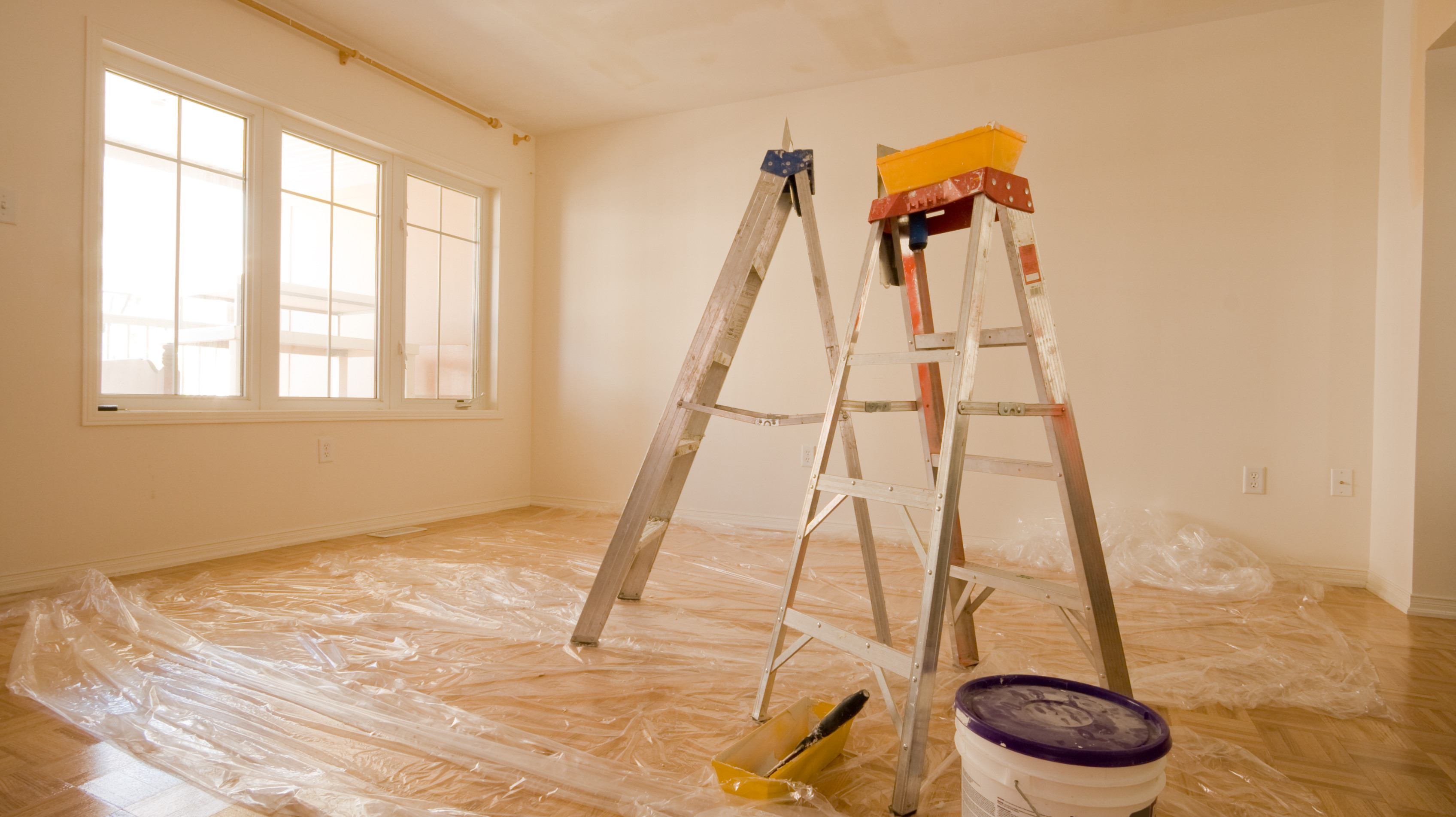
One of the most effective ways to refresh an interior is to identify features that naturally attract attention. Walls marked by everyday wear, ageing paintwork, outdated light fittings or damaged flooring can make an otherwise well-maintained property appear neglected.
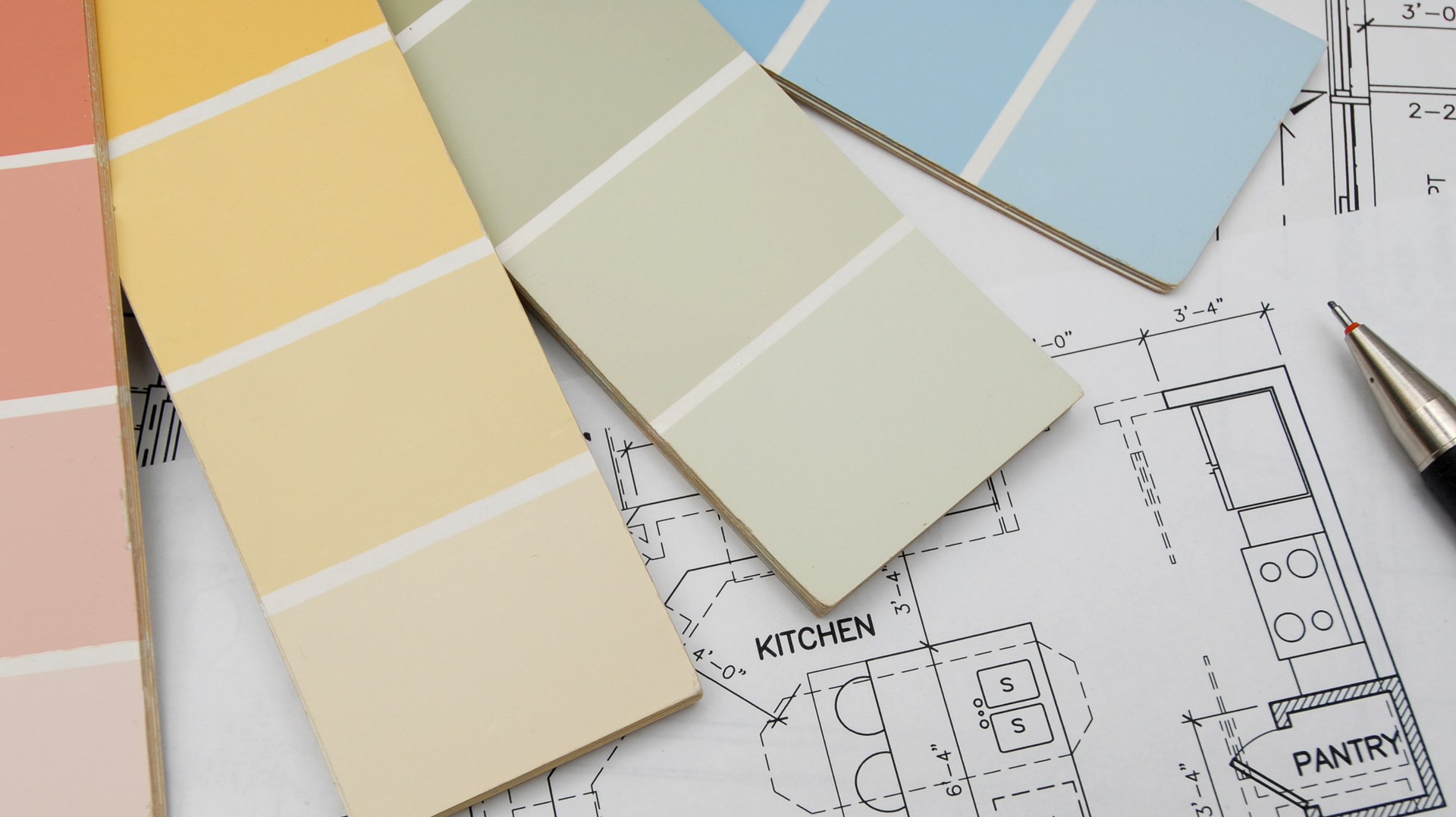
Replacing worn hardware, repainting walls in neutral colours and updating window coverings often provide a noticeable improvement without requiring major investment. Better lighting also changes how tenants experience a property, making rooms feel larger and more welcoming.
Interior designers frequently recommend creating a consistent style throughout the property rather than introducing multiple competing colours or materials. A simple, coordinated design appeals to a broader range of tenants and allows them to imagine themselves living comfortably in the space.
Practical Solutions Reduce Downtime Between Tenancies
Every day that a property remains vacant represents lost rental income. For this reason, landlords increasingly favour renovation methods that minimise disruption while still delivering visible improvements.
Products such as over skirting boards offer one example of this approach. Instead of removing existing skirting, they are designed to fit neatly over older installations, creating a refreshed appearance while reducing installation time and unnecessary building work. For rental properties that require quick cosmetic improvements between tenants, solutions like these can help modernise interiors without extending vacancy periods.
This approach reflects a broader trend within property management: prioritising upgrades that improve appearance while avoiding projects that create unnecessary delays or inconvenience.
Neutral Interiors Appeal to More Renters
Rental properties benefit from broad appeal rather than highly personalised design. While bold colours and distinctive decorative styles may suit private homes, neutral interiors generally attract a wider range of prospective tenants.
Soft whites, warm greys and natural wood tones remain popular because they create bright, adaptable living spaces. These colour schemes also photograph well, an increasingly important consideration as most tenants begin their property search online.
Professional photography can only showcase what already exists. Clean finishes, consistent decoration and well-maintained interiors contribute far more to positive first impressions than expensive decorative accessories.
Maintenance Can Influence Tenant Retention
Refreshing a property is not solely about attracting new tenants. Ongoing maintenance also affects how existing occupants view their home.
Properties that receive regular attention often encourage tenants to take better care of the space themselves. Addressing minor issues promptly, replacing worn fixtures and maintaining decorative finishes demonstrates professionalism while reducing the likelihood of more expensive repairs later.
According to findings published by JLL, tenant experience continues to play an increasingly important role across residential property markets, with well-maintained homes contributing to stronger satisfaction and longer occupancy.
For landlords, retaining reliable tenants can often prove more valuable than repeatedly marketing vacant properties.
Sustainability Is Becoming Part of Property Management
Rather than replacing entire interior features unnecessarily, many landlords are looking for methods that extend the life of existing materials while reducing waste.
The World Green Building Council has highlighted the importance of improving resource efficiency within buildings by promoting durable materials and reducing unnecessary replacement during renovation projects.
Simple improvements that preserve existing structures while enhancing appearance support this objective. Choosing quality products designed for long-term performance can also reduce maintenance requirements over the lifetime of a rental property.
Small Details Create a Stronger Overall Impression
Successful rental properties rarely depend on luxury finishes alone. Instead, they combine cleanliness, consistency and thoughtful maintenance to create spaces where tenants feel comfortable from the moment they arrive.
Architectural details, coordinated finishes, modern lighting and carefully maintained surfaces all contribute to this experience. Individually, these improvements may appear modest, but together they significantly influence how a property is perceived.
As competition within the rental market continues to evolve, landlords are recognising that regular, practical improvements often provide a better return than occasional large-scale renovations.
Refreshing an interior does not always require knocking down walls or undertaking expensive building work. Strategic upgrades, careful maintenance and attention to finishing details can modernise a property, reduce vacancy periods and improve tenant satisfaction without disrupting normal rental operations. For property owners seeking long-term value, thoughtful improvements remain one of the most effective investments they can make.