When UK marketing consultant Tom Hunt relocated to Lisbon several years ago, he wasn't moving to be closer to clients. Most of them were based in different countries. His decision was driven by lifestyle, flexibility and the growing realisation that where he lived mattered far less than how effectively he could connect with people online.
His experience reflects a broader shift taking place across the global workforce.
Remote work has changed more than employment patterns. It has transformed entrepreneurship itself. Today, founders are launching agencies from Portugal, software companies from Spain, consulting businesses from Thailand and creator-led brands from Mexico while serving customers around the world.
According to MBO Partners' latest Digital Nomads report, more than 18 million Americans now describe themselves as digital nomads. While many work remotely for employers, a growing number are running businesses of their own. Similar trends are emerging across Europe, where digital nomad visas and remote work policies have made international mobility more accessible than ever.
The result is a new generation of entrepreneurs who are building global brands without being tied to traditional business locations.
Why location matters less than it once did
Not long ago, entrepreneurs often felt pressure to base themselves in major business centres such as London, New York or Berlin. Access to clients, talent and networking opportunities frequently depended on physical proximity. Technology has changed that equation.
Video conferencing platforms, project management tools and cloud-based software have enabled businesses to operate across continents. Payments can be processed globally through services such as Stripe and Wise, while communication platforms allow teams to collaborate regardless of time zone.
For many founders, this has created an opportunity to choose where they live based on personal preferences rather than business requirements.
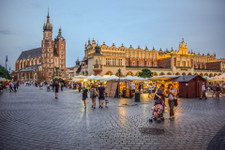
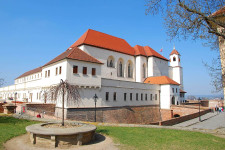
Cities such as Lisbon, Valencia and Prague have become particularly attractive because they combine reliable infrastructure with relatively affordable living costs compared with some traditional business hubs.
Find perfect apartments for rent in Prague
For entrepreneurs, that flexibility can improve both quality of life and financial sustainability.
The rise of entrepreneur-friendly destinations
Certain destinations have emerged as hotspots for remote founders.
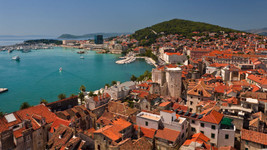
Portugal remains one of the most popular choices. The country offers strong internet infrastructure, a growing startup ecosystem and a well-established international community. Lisbon and Madeira have become especially attractive to entrepreneurs seeking a balance between work and lifestyle.
Spain has also seen growing interest from location-independent professionals. Valencia, Málaga and Barcelona continue attracting founders who want access to European markets while enjoying a lower cost of living than cities such as London or Paris.
Outside Europe, Thailand remains a favourite among digital entrepreneurs. Chiang Mai has long been known for its coworking culture, while Bangkok offers access to a vibrant business community alongside modern infrastructure.
These locations provide something many entrepreneurs value highly: the ability to maintain productivity while enjoying a different pace of life.
Building audiences instead of local customer bases
One of the biggest differences between traditional businesses and modern remote companies is how they acquire customers.
Many entrepreneurs no longer focus on local markets. Instead, they build audiences that span multiple countries.
A consultant based in Portugal may serve clients in the United States and Australia. A software founder living in Spain may generate most revenue from North America. A creator working remotely from Thailand may attract subscribers from dozens of countries. This shift has encouraged founders to think globally from the start.
Rather than relying on local visibility, they focus on producing content, building communities and creating products that appeal to specific audiences regardless of geography. In many cases, the internet becomes their primary marketplace.
Visibility becomes essential when working internationally
Operating globally creates opportunities, but it also creates competition. When potential customers can choose from businesses anywhere in the world, visibility becomes increasingly important.
This explains why many successful remote entrepreneurs invest heavily in content creation, newsletters, podcast appearances and industry expertise. They need ways to establish trust before ever meeting a customer. For the visual side of that push, Higgsfield helps entrepreneurs produce campaign creative fast with an AI Ad Generator.
Some founders also explore approaches such as digital pr to increase awareness beyond their immediate networks. Media coverage, expert commentary and contributions to industry publications can help remote businesses reach audiences they may never encounter through traditional networking. The objective is not simply exposure. It is credibility.
Customers often want reassurance that a business operating remotely is every bit as professional as one with a physical office.
Learning from some of the best-known remote founders
Perhaps the most widely cited example is Pieter Levels, creator of Nomad List and Remote OK.
Levels built products specifically for remote workers while living internationally himself. Rather than operating from a conventional headquarters, he focused on solving problems faced by a global community.
His businesses became recognised brands because they delivered value to users regardless of location. Similar stories are becoming increasingly common.
Independent software founders, consultants and educators are creating businesses that generate international revenue while remaining geographically flexible. Their success often depends less on where they work and more on how effectively they understand their audiences.
This highlights an important lesson: global brands are increasingly built through relevance and expertise rather than physical presence.

Living abroad can strengthen creativity and perspective
Many entrepreneurs report that living abroad influences how they think about business. Exposure to different cultures often reveals new consumer behaviours, market trends and ways of solving problems.
A founder spending time in Spain may notice different approaches to work-life balance. Someone living in Southeast Asia may observe how mobile-first commerce shapes consumer behaviour. Entrepreneurs moving between countries frequently encounter ideas that would be less visible if they remained in a single location.
These experiences can influence product development, marketing and customer communication. For businesses serving international audiences, a broader perspective can become a meaningful advantage.
The role of accommodation in sustainable remote work
While the image of digital nomads often focuses on constant travel, many successful entrepreneurs adopt a more stable approach.
Frequent relocation can make it difficult to maintain routines, manage workloads and build local connections. As a result, many founders prefer longer stays that allow them to settle into a destination while continuing to operate their businesses. Reliable accommodation has become an important part of that process.
Longer-term rentals provide stability, predictable costs and a workspace that supports productivity. For entrepreneurs managing client relationships, teams and business operations, these factors often matter more than the ability to move constantly between destinations.
The most successful remote entrepreneurs are often those who balance mobility with consistency.
Challenges still exist
Despite the opportunities, remote entrepreneurship is not without obstacles.
Time zones remain a common issue, particularly for founders serving customers across several continents. Legal requirements, taxation and visa regulations can also create complexity depending on where entrepreneurs choose to live.
Building professional networks may require more deliberate effort than in traditional business environments. Remote founders often need to actively participate in online communities, industry events and coworking spaces to develop meaningful connections.
There is also the challenge of maintaining boundaries between work and personal life. When a laptop can turn any apartment into an office, creating structure becomes essential.
Why this trend is likely to continue
Several factors suggest remote entrepreneurship will continue growing.
Remote work has become widely accepted across many industries. Countries are introducing digital nomad visa programmes to attract international professionals. Technology continues making distributed businesses easier to manage. Meanwhile, younger professionals increasingly value flexibility alongside career growth.
According to Buffer's State of Remote Work research, flexibility remains one of the most cited benefits of remote working arrangements. Entrepreneurs are applying that same mindset to business ownership.
Instead of choosing between lifestyle and ambition, many are seeking ways to combine both.