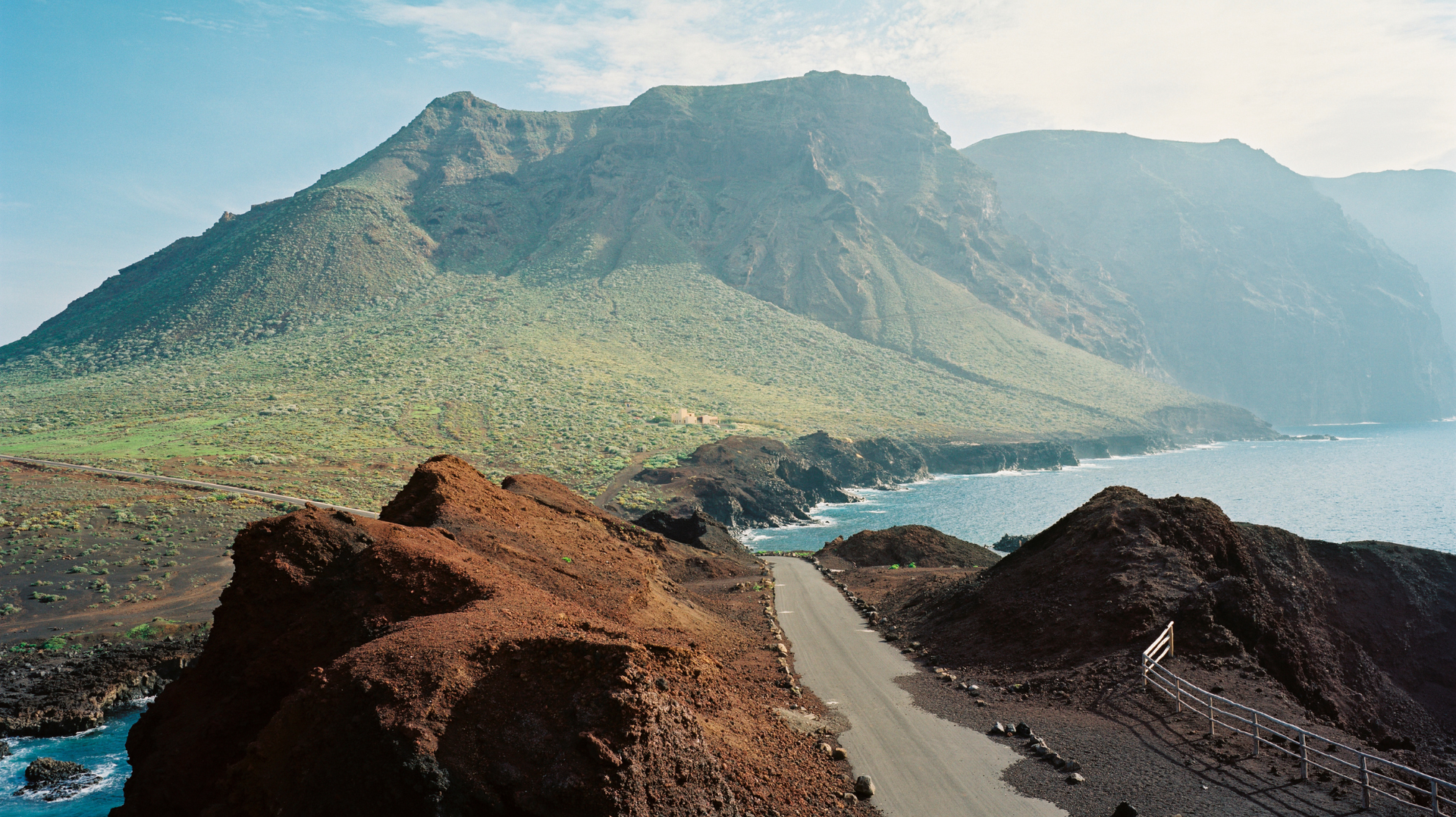
Gran Canaria, one of Spain’s Canary Islands off the West African coast, offers year-round sunshine, volcanic black-sand beaches, windswept dunes, and a laid-back island lifestyle. Its blend of Spanish and subtle African influences creates a rich, textured culture - perfect for expats, digital nomads, or anyone craving a sunny island life.
Find perfect apartments for rent in Spain
Why choose Gran Canaria?
Gran Canaria is often described as a "mini continent" thanks to its diverse landscapes and microclimates. One of the biggest perks of living here is the weather - mild winters and pleasantly warm summers make it ideal for outdoor lovers. English is commonly spoken in tourist areas, but learning basic Spanish goes a long way in building local friendships and easing daily life. The island occasionally experiences a phenomenon called Calima, where Saharan dust drifts over, but it’s short-lived and manageable.
- All-season climate: Mild winters and warm summers make it a top destination for sun-seekers .
- English-friendly, especially in tourist and expat hubs, but learning basic Spanish is invaluable for deeper connections
- Varied landscapes, from desert-like interiors to lush northern hills, although occasional Saharan dust (Calima) can affect air quality

Canary Islands breakdown
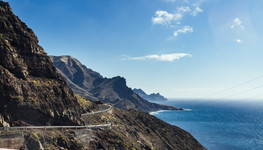
The Canary Islands consist of two provinces, each with its own charm. Gran Canaria belongs to the province of Las Palmas, which also includes Lanzarote, Fuerteventura, and La Graciosa. Known for its almost perfect circular shape, Gran Canaria offers a fascinating mix of dry desert-like terrain, green valleys, and rugged coastlines.
Unlike neighboring Tenerife, Gran Canaria does not have a train system—residents rely entirely on its well-organized bus network, known locally as La GuaGua.
The Canaries are split into two provinces:
- Las Palmas: Gran Canaria, Fuerteventura, Lanzarote, La Graciosa.
- Santa Cruz de Tenerife: Tenerife, La Gomera, La Palma, El Hierro.
Gran Canaria, the most populous and circular, is largely dry with volcanic scenery. Winds are constant, and in colder months, Calima duststorms may occur
While Tenerife has trains, Gran Canaria’s public transit relies entirely on buses (“La GuaGua”)

Getting around: La GuaGua (Buses)
Public transportation in Gran Canaria is simple, reliable, and budget-friendly. The GuaGua bus network is color-coded for easy navigation: blue buses travel between towns, yellow buses operate within cities like Las Palmas, and white buses serve smaller communities.
Residents can register for a rechargeable transit card, while tourists may opt for temporary options. Remember to wave at oncoming buses to signal your intent to board and politely decline with a head shake if you're not interested - it's a unique island custom!
Gran Canaria’s bus system is its sole public transport:
- Three color-coded types:
- Blue: Intercity
- Yellow: City
- White: Inner-city
- Fare cards: Long‑stay residents register for a multi-use card; short-term visitors can buy temporary ones
Etiquette tips:
- Wave to signal the bus.
- If the bus doesn’t stop, shake your head to indicate you're not boarding
Cost of living & expenses in Gran Canaria
Find perfect apartments for rent in Spain
Housing:
Accommodation in Spain is a major consideration when moving to Gran Canaria. While long-term rentals are available through local sites like Idealista, most landlords prefer year-long contracts with deposits of 1–3 months' rent. Airbnb offers greater flexibility but at a slightly higher cost.
Monthly rent varies by location, with the south being more expensive than the north.
Use sites like Flatio or local ads. Expect mid-term leases (often 12 months minimum) and no deposits.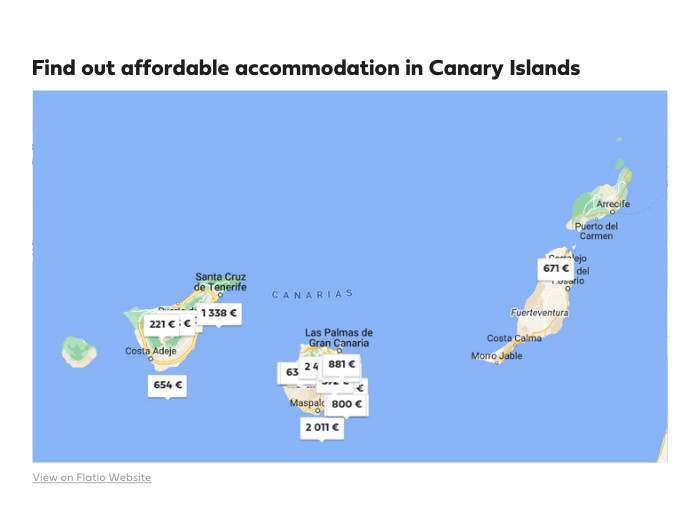
Utilities:
Utilities in Gran Canaria are fairly reasonable. Electricity costs around €35–50 per month, water can range from €20–50 depending on usage, and internet averages €50 per month. Fiber-optic connections are common in urban areas but may be slower in rural zones - always check before signing a lease.
- Electricity: ~35–50 €/month
- Water: ~20–50 €/month
- Internet: ~50 €/month
Groceries & shopping:
Supermarkets near beach resorts charge more for basic goods. To save money, shop at local markets and neighborhood grocers where you’ll find fresher produce and better prices. Eating out is also affordable - local tapas bars and cafés offer delicious meals without breaking the bank.
Income & salaries:
Salaries in Gran Canaria are relatively low, with many local jobs paying around €1,200 per month. If you're earning income remotely or from abroad, you’ll enjoy a comfortable lifestyle. However, if you rely solely on local wages, budgeting is essential to cover rent, transport, and leisure.

Working & digital nomad scene
Gran Canaria is increasingly popular among digital nomads and remote workers. Las Palmas offers modern coworking spaces with high-speed internet and active expat communities. If you prefer working from cafés, you’ll find welcoming spots with strong Wi-Fi like Regina, Panaria, or La Bikina.
Whether you’re freelancing or holding virtual meetings, Gran Canaria’s infrastructure supports a productive remote lifestyle.
Gran Canaria is a hotspot for remote workers and nomads:
- Coworking spaces abound in Las Palmas and the south
- Many choose to work from home or nearby cafés. Popular cafés: Regina, The Couple, Dara Feeling Good, Panaria, La Bikina, among others
- Strong Wi‑Fi is widely available—confirm fiber optic speeds before signing leases.
Top activities & local experiences
Gran Canaria is an adventurer’s paradise. You can hike to Roque Nublo, ride ATVs across sand dunes, explore charming towns like Teror, or enjoy tapas nights in San Telmo. The island's natural attractions - volcanic landscapes, botanical gardens, and protected marine areas - make it ideal for nature lovers.
Don’t miss a swim near La Barra reef or a ferry trip to nearby islands like Tenerife or La Graciosa for more exploration.