Is moving to Thailand worth it?
Relocating to Thailand is a significant decision that comes with many advantages, but it's not without challenges. Many expats find that the benefits - such as the lower cost of living, stunning scenery, and vibrant local culture - far outweigh the drawbacks.
However, it's essential to set realistic expectations and fully understand the lifestyle shift you're undertaking.
Find perfect apartments for rent in Thailand
Pros
The cost of living is remarkably affordable compared to Western countries. You can enjoy a high-quality lifestyle with fresh food, great housing, and excellent healthcare - all at a fraction of the cost you'd pay in Europe or North America.
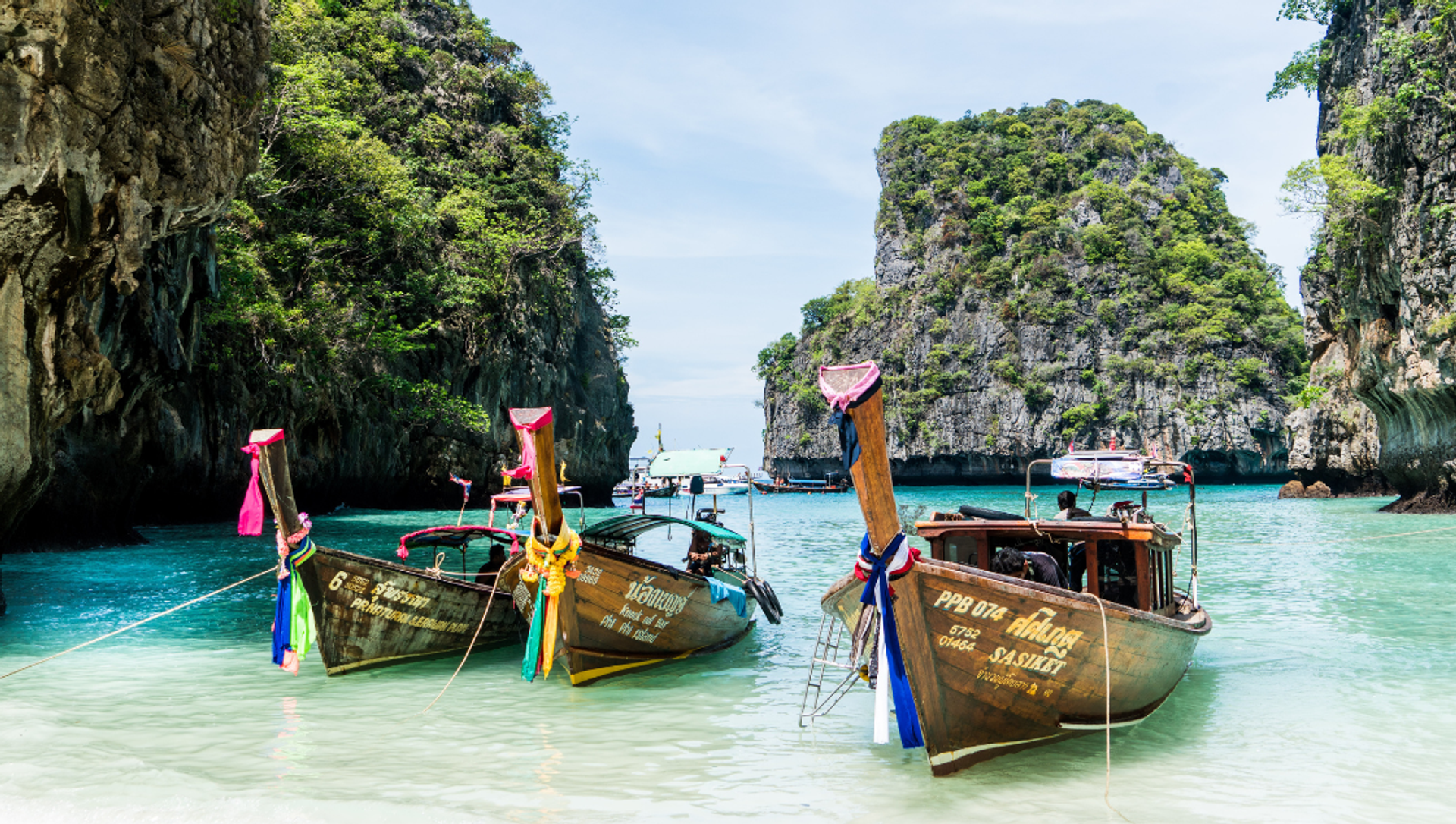
The natural beauty, including tropical beaches, lush jungles, and scenic mountains, is unmatched. Plus, Thai people are generally friendly, welcoming, and respectful toward foreigners, making social integration easier than you might think.
Cons
Cultural differences can be jarring at first. Things may not move at the pace you're used to - especially when dealing with government offices or utilities. The language barrier can also be a hurdle, particularly in smaller towns or rural areas.
Additionally, while visa options are varied, they can sometimes feel restrictive or overly bureaucratic. Healthcare, while excellent in major cities, might be limited in rural regions.
Ultimately, whether it's "worth it" depends on your goals. If you're seeking a new adventure, a slower pace of life, or a more affordable place to retire or work remotely, Thailand can be incredibly rewarding.

How much money do you need to live comfortably in Thailand?
Living comfortably in Thailand doesn’t require a fortune. The amount you'll need depends on your lifestyle and the city you choose. In Bangkok or Phuket, where the cost of living is higher, a single person can live comfortably on $1,200–$1,800 per month.
This includes:
- Rent
- Utilities
- Food
- Transportation
- Entertainment
- Health insurance
In cities like Chiang Mai or smaller towns such as Hua Hin, your costs can drop significantly. You might manage well on $900–$1,300 per month.
Couples can often live together more affordably than individuals because they share expenses. Budget travelers can get by with even less, though comfort and convenience may be compromised.
If you're considering retirement, it's advisable to have a retirement visa and proof of adequate income or savings. Health insurance, emergency funds, and budgeting for trips back home should also be part of your financial planning.

What are the downsides to living in Thailand?
No place is perfect, and Thailand is no exception. Some common complaints among expats include:
- Language Barrier: While English is spoken in tourist areas, navigating government offices, banks, or hospitals in rural regions can be challenging without Thai language skills.
- Bureaucracy: Thai immigration laws can be complex and change frequently. Visa runs, documentation requirements, and the 90-day reporting system may feel cumbersome.
- Cultural Adjustments: Social norms around hierarchy, "saving face," and indirect communication might be confusing or frustrating at first.
- Pollution: Air pollution, especially during Chiang Mai’s "burning season" (February to April), can be severe and impact quality of life.
- Weather: Thailand’s tropical climate includes a hot season, rainy season, and occasional flooding, which may take time to adapt to.
Knowing these challenges ahead of time will help you prepare and adapt, making your transition much smoother.
Find perfect apartments in Bangkok
Can foreigners own property in Thailand?
Foreigners cannot own land outright, but there are legal ways to own rentals in Thailand. The most common method is buying a condominium, where up to 49% of the units in a building can be owned by non-Thais. This is a straightforward process and provides ownership rights similar to those in Western countries.
For land or houses, foreigners often lease land on a long-term basis (usually 30 years, with options to renew). Some use nominee structures involving Thai partners or set up Thai limited companies, though these options can be legally risky and are not recommended without expert legal advice.
Always consult a property lawyer before entering any agreements.
Is healthcare reliable in Thailand?
Thailand is known for its high-quality and affordable healthcare system, especially in major cities like Bangkok, Chiang Mai, and Pattaya. Private hospitals often meet or exceed Western standards and are staffed with English-speaking doctors.
Bangkok Hospital, Bumrungrad International, and Samitivej are internationally accredited and popular with expats.
Public hospitals are more affordable but may have longer wait times and fewer English-speaking staff. Many expats choose private health insurance to access premium facilities. Monthly premiums vary based on age and coverage but are typically much lower than in Western countries.
Thailand also offers excellent dental and cosmetic services, which are a fraction of what you’d pay abroad.

What is the best way to find housing?
Finding a place to live in Thailand can be both fun and affordable. Here are your best options:
- Facebook Groups: Join expat community groups like “Bangkok Expats” or “Chiang Mai Housing” where people regularly post listings.
- Real Estate Websites to browse listings.
- Walk Around: In smaller cities and towns, the best deals are often found simply by walking around and spotting "For Rent" signs.
- Local Agents: For long-term rentals, working with a Thai real estate agent can help bridge the language gap and find better options.
Mid-term rentals on Flatio are also popular while you scout for a more permanent home. Most rentals come furnished, and deposits are usually 1–2 months’ rent.
Making the leap to move abroad is a big decision, but for many, Thailand offers an ideal mix of affordability, culture, natural beauty, and lifestyle perks. With a bit of planning, an open mind, and a willingness to adapt, you’ll find that living in Thailand can be incredibly rewarding.
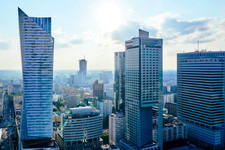
Whether you're dreaming of sipping coconut water on a beach in Phuket, exploring mountain temples in Chiang Mai, or living the fast-paced city life in Bangkok, there's a place in Thailand waiting to welcome you.