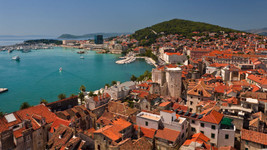
Europe can be expensive - but it also hosts some of the world’s most affordable and vibrant destinations. If you’re moving for work, retirement, or remote life, this guide explores the top countries where your money stretches further - without skimping on lifestyle.
Find perfect apartments for rent in Europe
What makes Europe particularly appealing is the rich mix of history, culture, and infrastructure. Even in the most budget-friendly countries, you'll often find modern public transport, reliable internet, excellent healthcare systems, and vibrant social scenes. Affordability in Europe doesn’t mean sacrificing lifestyle - it often means gaining access to experiences and comforts that are either too costly or unavailable elsewhere.
In this guide, we’ll explore the real cost-of-living data, highlight the most budget-friendly countries, and explain why they’ve become magnets for expats, retirees, and digital nomads.
Overview of cost‑of‑living factors
To determine where you can live most affordably in Europe, it’s essential to break down what contributes to the overall cost of living. These core categories influence how far your salary or savings will go:
Housing: rent and real Estate
Housing is typically the largest monthly expense. In cities like Budapest or Sofia, monthly rent for a one-bedroom apartment in the city center may be as low as €400–€500. Compare that to over €1,500 in Paris or Amsterdam.
If you're willing to live slightly outside urban centers or in smaller towns, rents drop even further. Some regions, particularly in rural Spain, Portugal, or the Balkans, offer the possibility to purchase property for under €50,000 - a tempting option for long-term settlers.

Food, groceries & dining out
Europe is known for its culinary diversity, and eating well doesn't have to cost a fortune. In affordable countries, a three-course meal at a mid-range restaurant can be enjoyed for €10–€15.
Weekly groceries for a single person may range from €25 to €50, especially in countries like Bulgaria or Poland where local produce is abundant and cheap. Cooking at home also helps stretch the budget while giving you the chance to explore regional cuisines.
Utilities & internet expenses
Monthly utility costs, including electricity, heating, water, and garbage collection, are typically under €150 in affordable European countries.
Internet, which is essential for digital nomads and remote workers, is both cheap and fast across much of Eastern Europe. In countries like Romania, Estonia, and Latvia, you’ll find some of the fastest and most reliable internet connections in the world - often for less than €20 a month.
Transport costs
Efficient and low-cost transportation is another perk. In most European countries, monthly public transport passes range from €20 to €50.
Many cities also have bike-sharing systems or are walkable, further reducing the need for a car. Fuel prices are higher compared to the U.S., but many affordable countries offer cheap intercity bus or train services that connect even remote areas to larger hubs.
Find perfect apartments for rent in Budapest
Top 5 most affordable European countries for expats and digital nomads
Estonia
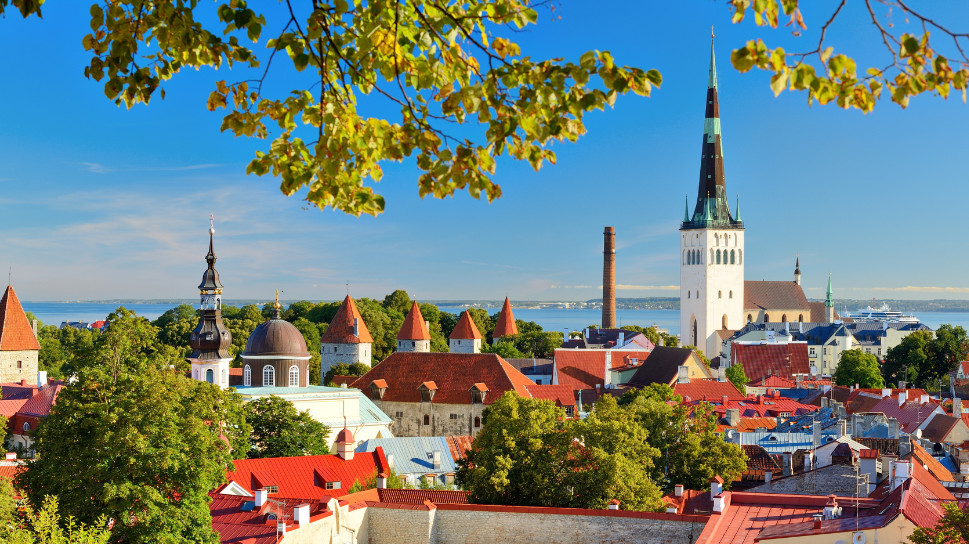
Estonia is a small but mighty country in Northern Europe with a reputation for innovation and digital leadership. The capital, Tallinn, is a haven for tech entrepreneurs and remote workers, boasting excellent Wi-Fi, a startup-friendly environment, and a welcoming visa system.
Cost of living
The cost of living here is higher than in Southeast Europe but still very affordable compared to Western Europe. Rent for a city-center apartment averages around €600–€700, while utility bills and public transport remain low.
Food prices
Food prices are moderate, with many locals relying on home-cooked meals and fresh produce from markets. A night out won’t break the bank, and groceries for a month typically cost under €200 for a single person.
Estonia also offers e-Residency, a unique program that allows global entrepreneurs to set up and manage EU-based businesses entirely online.
Estonia's real draw is its balance of modern convenience with old-world charm. Tallinn’s medieval architecture, vibrant arts scene, and seasonal festivals provide cultural richness.
Combine that with one of the world’s fastest internet speeds, clean air, and a strong healthcare system, and Estonia becomes a top pick for budget-conscious expats looking to stay connected and comfortable.
Croatia
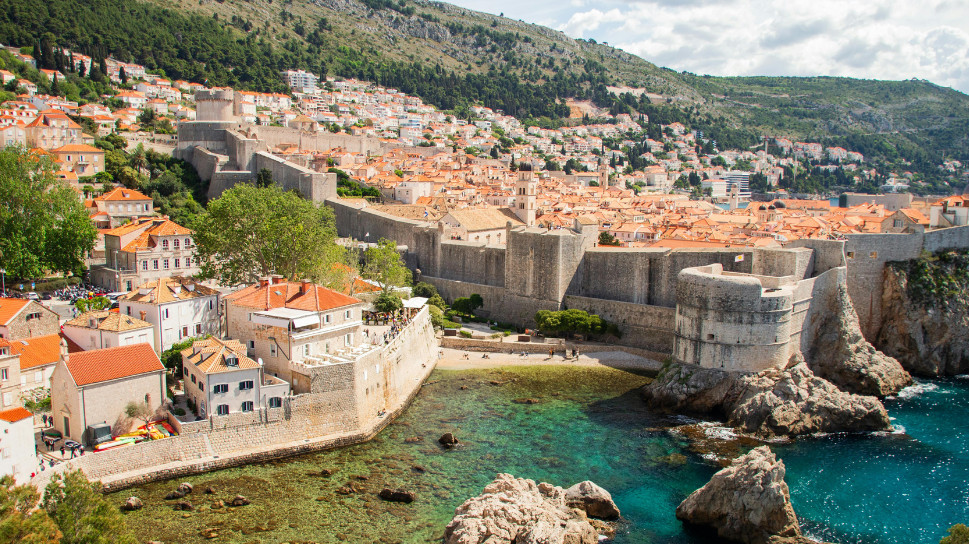
Croatia has rapidly become a favorite among expats and digital nomads - and it’s easy to see why. From the historic cities like Dubrovnik and Split to the pristine Adriatic coastline, Croatia offers beauty and culture at a budget-friendly price.
One-bedroom apartments in major cities like Zagreb or Split can be rented for as low as €450–€600 per month, with even lower rates in rural or inland areas.
Cost of living
Beyond housing, daily living costs are modest. Dining out is inexpensive, with a quality meal available for under €10. Groceries are reasonably priced, and the cost of utilities and transportation remains manageable.
One standout advantage is Croatia's high-speed internet and growing infrastructure for remote workers. The introduction of a digital nomad visa in 2021 further strengthened Croatia’s appeal, offering tax exemptions and a simple application process.
What really sets Croatia apart is its lifestyle quality. You can swim in the Adriatic Sea after work, explore medieval towns on weekends, and immerse yourself in a Mediterranean climate - all without burning through your savings. Croatia blends affordability, adventure, and comfort in a way few European nations can.
Find perfect apartments for rent in Croatia
Hungary
Hungary, and especially its capital Budapest, is one of the most underrated affordable destinations in Europe. With stunning architecture, historic thermal baths, and a lively café culture, Budapest delivers European charm at a fraction of Western costs.
Monthly rent in the city center can be found for around €400–€500, and utilities are similarly modest, often under €100 per month.
Food prices
Eating out is delightfully cheap - hearty Hungarian meals can be found for under €10. Even international cuisine remains accessible, and cafes are abundant and inexpensive. Groceries are among the lowest in the EU, and public transportation is both reliable and economical.
A monthly pass for buses, trams, and metro lines costs around €30.
Hungary also has a growing digital nomad and expat community. While it doesn’t yet offer a specific nomad visa, its standard residency permits are relatively easy to obtain for EU citizens and remote workers.
English is widely spoken in urban areas, and there are plenty of co-working spaces and international networking opportunities. Culturally rich and cost-effective, Hungary offers the full European experience without the high price tag.
Montenegro
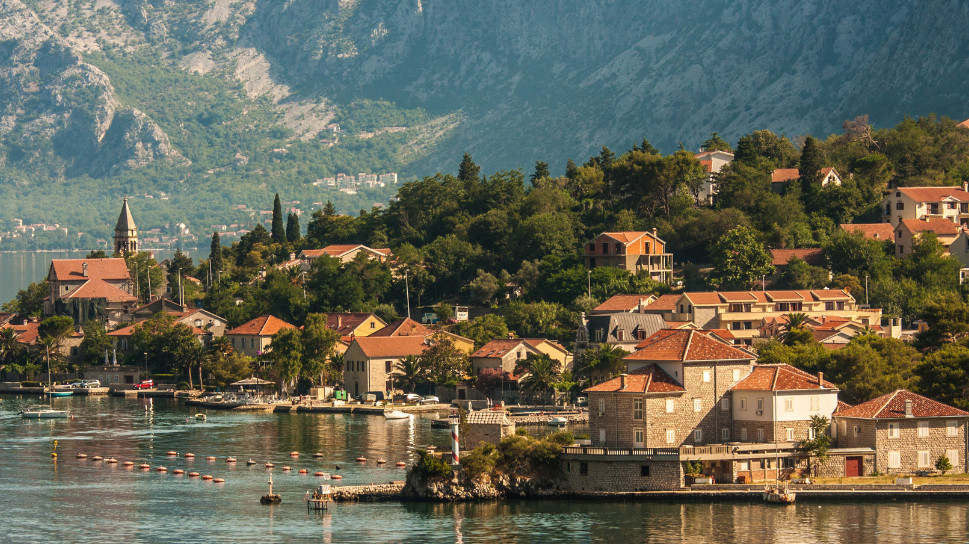
Montenegro is a gem on the Adriatic that combines coastal beauty, historic towns, and mountain adventures - all at an exceptionally low cost.
One of Europe’s newest independent nations, Montenegro boasts some of the most affordable real estate and rental prices in the region. In cities like Podgorica or coastal towns like Herceg Novi, you can rent a comfortable apartment for €400–€600 per month.
Food prices
Food is incredibly budget-friendly, especially local produce and seafood. A meal in a local restaurant might cost €8–€10, and groceries are consistently cheap.
Transportation costs are low due to the country’s compact size, and many areas are walkable or bike-friendly. While Montenegro does not yet have a digital nomad visa, its long-stay tourist policies and relaxed visa regime make it a flexible choice for many.
Beyond cost, Montenegro offers stunning natural diversity. You can hike in the mountains in the morning and swim in the Adriatic by afternoon. With friendly locals, low crime rates, and an increasing number of coworking spaces, it’s a tranquil yet connected place for expats seeking both adventure and savings.
Spain
Spain is not just about sun, siestas, and sangria - it’s also one of the most budget-friendly countries in Western Europe. Though cities like Madrid and Barcelona come with moderate costs, the vast majority of Spain’s regions, especially the south and interior, offer a much more affordable lifestyle.
Rent in mid-sized cities like Valencia or Seville can be as low as €500–€700 per month for a one-bedroom apartment.

Food prices
Food is another major advantage in Spain. Thanks to its local markets and cultural emphasis on fresh ingredients, groceries are affordable, and dining out is an everyday luxury. A tapa and drink can cost just €3–€5, and full meals often stay under €12.
Transportation is efficient and affordable too, with monthly metro or bus passes typically around €30–€50.
Spain’s new digital nomad visa, launched in 2023, allows remote workers to live and work in the country while benefiting from favorable tax conditions. Combine that with nearly 3,000 hours of sunshine a year, excellent healthcare, a robust expat network, and a deep-rooted sense of community, and Spain becomes an unbeatable choice for those looking to live richly without spending excessively.
Find perfect apartments for rent in Spain
Hidden affordable options
While countries like Hungary and Spain often get the spotlight, there are several lesser-known European destinations that offer exceptional affordability and growing appeal among expats.
These countries combine low living costs with:
- cultural richness
- solid infrastructure
- a warm welcome for newcomers
Bulgaria, Romania & Poland
These Eastern European countries are frequently listed among the cheapest places to live in Europe -and for good reason.
Bulgaria
In Bulgaria, rent for a one-bedroom apartment outside city centers can fall below €250 per month. Sofia, the capital, still offers incredibly affordable living compared to Western counterparts.
Groceries, public transport, and even healthcare are remarkably low-cost. Bulgaria also boasts beautiful beaches along the Black Sea, ski resorts, and UNESCO-listed historic towns, making it ideal for year-round living.
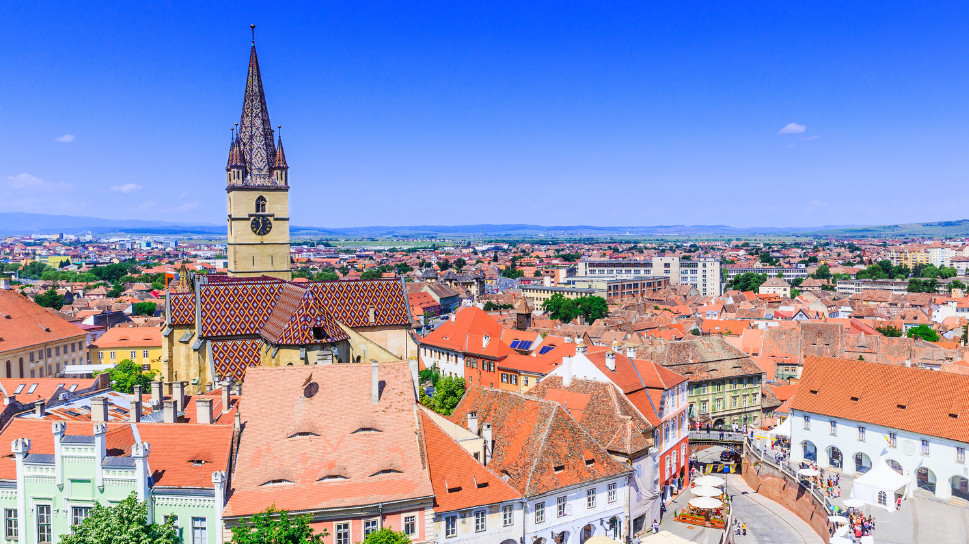
Romania
Romania follows a similar pattern. Cities like Cluj-Napoca and Iași offer fast internet, vibrant cultural scenes, and affordable rents (starting around €300/month).
Romania is also a growing tech hub with a high English proficiency among young professionals. Its landscapes range from the Transylvanian Alps to charming medieval towns, offering great diversity for adventurous expats.
Poland
Poland, though slightly more expensive than Bulgaria or Romania, still stands out for its balance between cost and infrastructure.
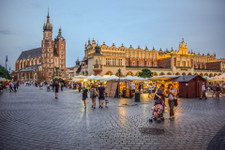
Warsaw and Kraków are modern cities with robust public services and a flourishing digital economy. Public transportation is excellent, healthcare is well-developed, and the average monthly expenses for a single person remain under €800.
Poland is also one of the safest and most orderly countries in Eastern Europe, attracting remote workers, retirees, and students alike.
Czechia and Slovakia
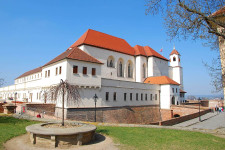
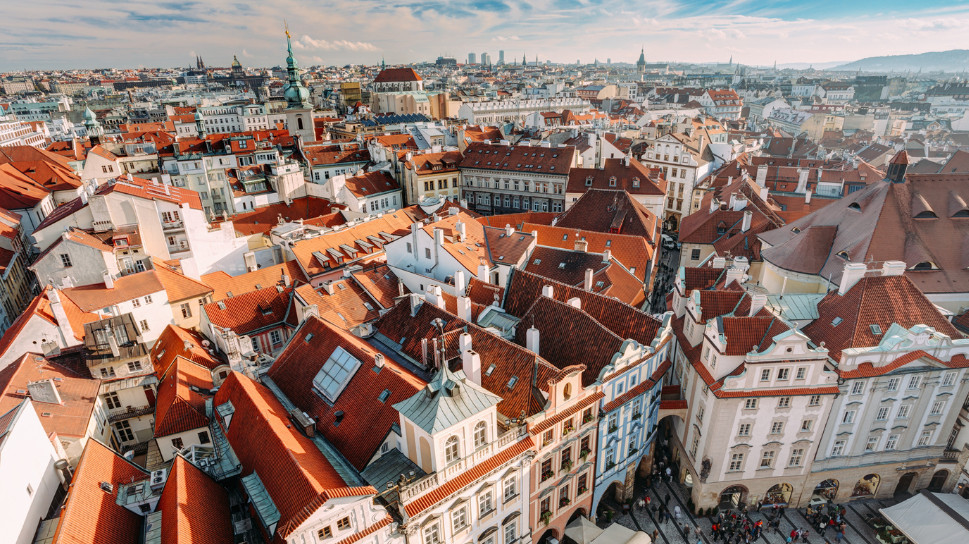
Czechia (Czech Republic) has long been a favorite among budget-conscious travelers and expats. Prague offers a stunning blend of gothic architecture, modern amenities, and relatively low living expenses. Rent in smaller towns like Brno or Olomouc is even more affordable, and public transportation across the country is efficient and budget-friendly.
Beer is famously cheap, meals are affordable, and the country has excellent infrastructure.
Slovakia, often overshadowed by its western neighbor, offers similar advantages. Bratislava, the capital, lies on the border with Austria and Hungary, offering convenient access to Central Europe.
Though not as cheap as some Balkans nations, Slovakia’s rent, utilities, and food costs are manageable, especially in towns outside the capital. Nature lovers will appreciate the Tatra Mountains and national parks, which provide abundant outdoor opportunities.
Portugal
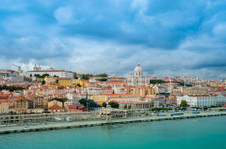
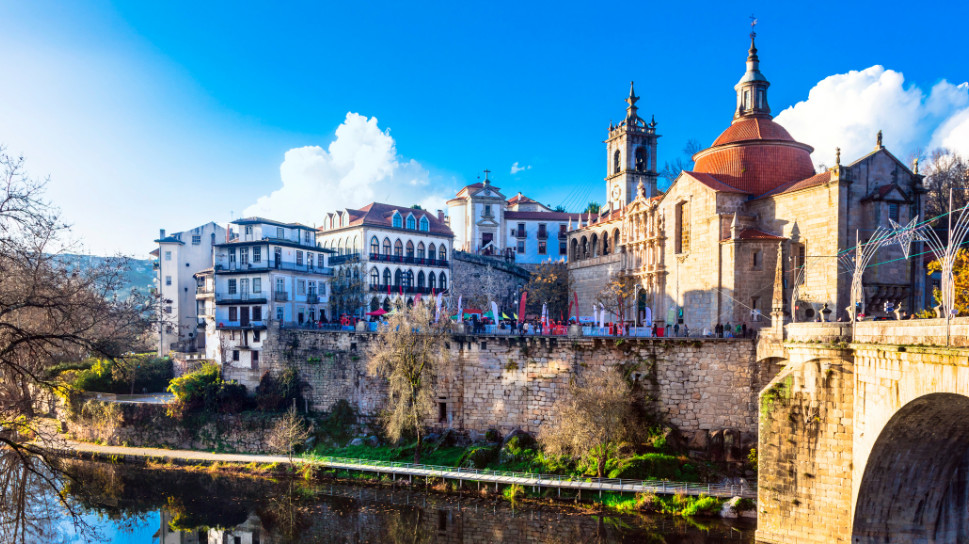
Portugal deserves special mention. While it's not as cheap as Eastern Europe, it remains one of the most affordable countries in Western Europe. Outside of Lisbon and Porto, rent can drop to €450–€600 per month, and the cost of living in towns like Coimbra or Évora is very reasonable.
Portugal combines stunning Atlantic coastlines, a relaxed pace of life, and a high quality of healthcare.
The country also offers a digital nomad visa and a D7 visa for passive income earners or retirees, making long-term stays accessible. English is widely spoken in the Algarve and among younger populations, and public transportation is both reliable and affordable.
With a Mediterranean climate, welcoming culture, and relatively low expenses, Portugal continues to attract expats looking for the best of both worlds: Western European infrastructure and Eastern European prices.
Find perfect apartments for rent in Portugal
What makes these countries affordable?
Several key factors explain why these European countries maintain a significantly lower cost of living compared to their Western counterparts.
Lower average salaries & consumer prices
Most of these countries have lower average income levels than the EU average, which translates into lower consumer prices. This affects everything from rent and restaurant bills to transportation and healthcare.
Wages might be lower locally, but for expats earning foreign or remote income - especially in stronger currencies like USD, GBP, or EUR - these economies offer massive spending power.
Local labor and business costs also remain low, allowing services like haircuts, repairs, and public transport to be priced much more affordably. In cities like Sofia, Cluj, or Tbilisi, one can live comfortably on €1,000 per month or less - a fraction of what would be needed in Paris or London.
Favorable exchange rates & local economies
Many of the most affordable countries operate with currencies outside the Eurozone - like the Hungarian Forint, Bulgarian Lev, or Romanian Leu - which can benefit expats bringing in euros or dollars. Even in Euro-using countries like Portugal and Slovakia, local price levels are adjusted to their regional economies, helping keep everyday costs lower.
These countries often subsidize key services like healthcare, education, and public transport, further reducing out-of-pocket expenses for residents and long-stayers.
EU membership & mobility benefits
Most affordable European countries are part of the EU or Schengen Zone, offering simplified visa and residency options for other EU citizens. This also means consistent infrastructure standards, legal protections, and access to EU-funded programs. For non-EU nationals, recent digital nomad and remote work visa options have made it easier to live legally and affordably in these destinations for extended periods.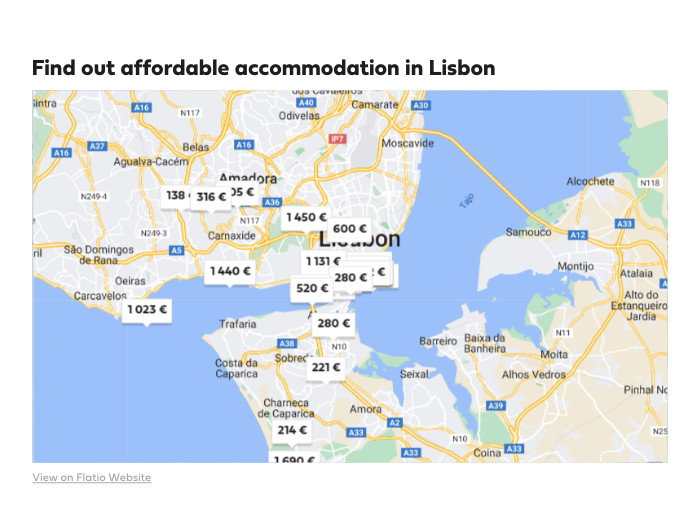
Budget-wise moves for expats
Choosing where to live in Europe doesn’t have to mean compromising your lifestyle to save money. On the contrary, many of Europe’s most affordable countries - like Hungary, Croatia, and Portugal - offer a richer, more relaxed life for significantly less. These destinations blend modern infrastructure, cultural depth, and natural beauty, all at prices far below those of Western capitals.
Whether you're a digital nomad looking for fast internet and low overhead, a retiree seeking a peaceful environment with excellent healthcare, or a professional relocating with remote income, these affordable countries provide ideal conditions.
You can dine out regularly, enjoy high-quality public services, and explore historical sites, all while spending less than you would on basic living expenses elsewhere.
In the end, Europe’s cheapest countries are more than just budget options - they are gateways to a better quality of life, financial freedom, and new adventures. Whether you’re settling in the scenic mountains of Montenegro, the tech hubs of Estonia, or the sunny coastlines of Spain, the right move can transform your life - without draining your wallet.