Discover the 10 best cities for digital nomads to live on $2,000 or less per month. Affordable, connected, and full of good vibes — where will your remote journey take you?
With over 48 million Americans eyeing the digital nomad lifestyle, it's clear the remote work revolution is more than a passing trend. As the world embraces borderless living, dozens of countries are introducing digital nomad visas to lure remote workers, freelancers, and adventurous entrepreneurs.
But where can you actually live comfortably without breaking the bank?
Let’s break down 10 vibrant, well-connected cities where you can thrive as a digital nomad - and all for $2,000 or less per month. Whether you're into surfing, hiking, café-hopping, or co-working, there’s something here for everyone.
Chiang Mai, Thailand – $950/month
Find perfect apartments for rent in Chiang Mai
Chiang Mai is a beloved classic among digital nomads - and it’s not hard to see why. This northern Thai city offers a perfect mix of affordability, convenience, and charm. For under $1,000 a month, you can find a comfortable apartment, eat delicious Thai food three times a day, and still have enough left for weekend adventures to waterfalls or mountain temples.
The city is filled with co-working spaces like Punspace and Yellow Coworking, and the Wi-Fi is reliable almost everywhere. Plus, the local expat and digital nomad communities are strong and supportive, making it easy to network or make new friends. Night markets, temples, and lush surrounding hills offer a quality of life that’s hard to beat on a budget.
 Ho Chi Minh City, Vietnam – $950/month
Often buzzing with scooters and the aroma of street food, Ho Chi Minh City is Vietnam’s energetic commercial hub and a fast-growing favorite among budget-conscious nomads. With a monthly budget under $1,000, digital nomads can live in a central apartment, feast on incredible meals (think pho and bánh mì for just a few bucks), and enjoy high-speed internet.
The cost of living is extremely competitive, yet the infrastructure continues to improve rapidly. There are countless cafés with Wi-Fi, making it easy to work from anywhere. And beyond the urban hustle, the city has a rich cultural history, friendly locals, and great weekend getaway options like Vung Tau or the Mekong Delta.
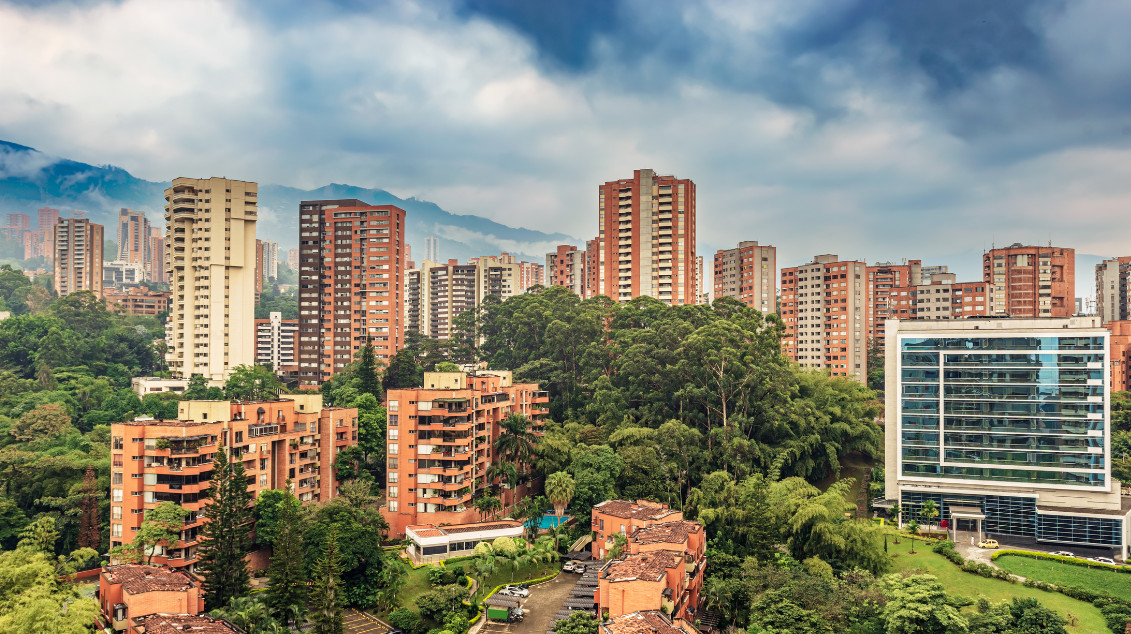
3. Medellín, Colombia – $1,050/month
Medellín has shed its past and is now a thriving, modern city known for its spring-like weather year-round, hence its nickname, "The City of Eternal Spring." At just over $1,000/month, you can enjoy a stylish apartment in popular areas like El Poblado or Laureles, dine out often, and still afford coworking memberships.
The city has become a hub for tech startups and remote workers, and it's easy to find community meetups or professional networking events. Public transport via the metro is clean and efficient, and the scenery - surrounded by lush green mountains - makes it an attractive home base.
Canggu, Bali, Indonesia – $1,200/month
Canggu is where surfing meets startups. This laid-back coastal town in Bali has grown rapidly in popularity with the digital nomad crowd. Here, $1,200 a month can get you a private villa with a pool, frequent café brunches, yoga classes, and a coworking space membership at Dojo Bali or Tropical Nomad.
The town’s infrastructure is geared toward remote workers, with fast internet and plenty of healthy food options. The community vibe is vibrant, with nomads connecting over bonfires, networking events, and beach cleanups. It’s ideal for those who love a social, sun-soaked lifestyle without sacrificing productivity.
Ubud, Bali, Indonesia – $1,350/month
If Canggu is Bali’s party spot, Ubud is its spiritual heart. Ubud is surrounded by rice terraces, waterfalls, and temples, and is well-known for wellness retreats and artistic inspiration. For around $1,350/month, you can enjoy a private bungalow, fresh organic food, massage therapy, and membership at serene co-working spots like Outpost or Hubud.
This area is quieter than the coast, attracting writers, artists, and those seeking inner peace alongside professional focus. Though more relaxed, Ubud offers everything a digital nomad might need - from stable internet to community events centered around sustainability, creativity, and mindfulness.
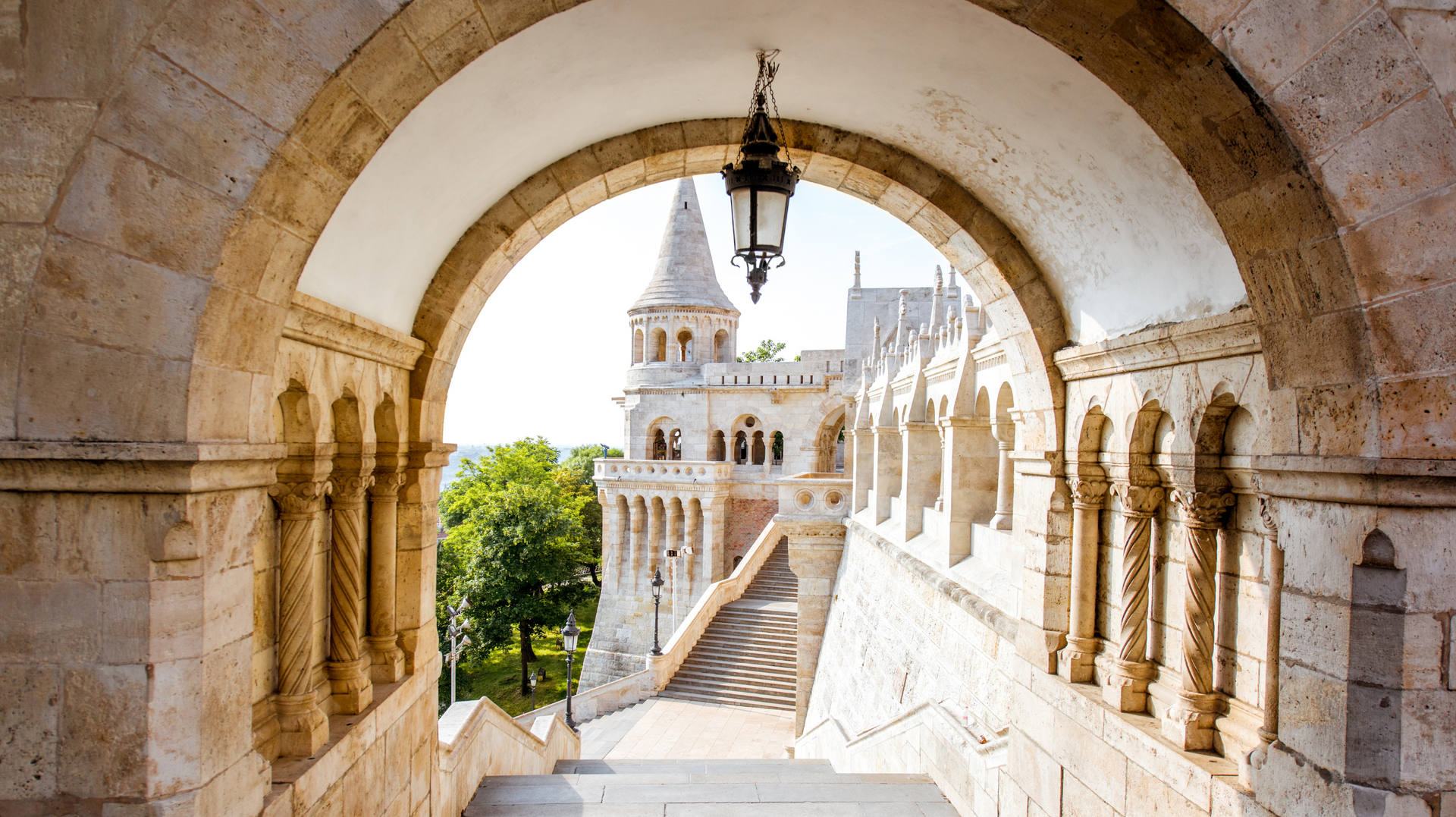
Budapest, Hungary – $1,450/month
Find perfect apartments for rent in Budapest
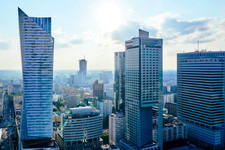
Budapest stands out in Europe as an affordable yet stylish capital that’s full of history, culture, and charm. With $1,450/month, digital nomads can live comfortably in a well-located apartment, enjoy hearty Hungarian meals, and spend downtime in the city’s famous thermal baths.
The Danube River divides the city into the historic Buda and the lively Pest, both offering co-working options and fast internet. Budapest’s café scene is excellent for work and socializing, and public transport is efficient and inexpensive. You’ll also find an active startup ecosystem and numerous events that cater to English-speaking entrepreneurs and tech workers.
Rio de Janeiro, Brazil – $1,500/month
Known for its iconic beaches like Copacabana and Ipanema, Rio de Janeiro offers more than just eye-popping scenery. For about $1,500/month, digital nomads can find affordable accommodations in safe neighborhoods like Botafogo or Leblon, enjoy world-class dining, and access reliable internet. Despite its reputation, Rio is safe for foreigners who stick to well-regarded areas.
The city is also home to a growing nomad community, fueled by its appeal to surfers, creatives, and nature lovers. With samba beats in the background and Sugarloaf Mountain in view, working remotely here feels more like a privilege than a job.
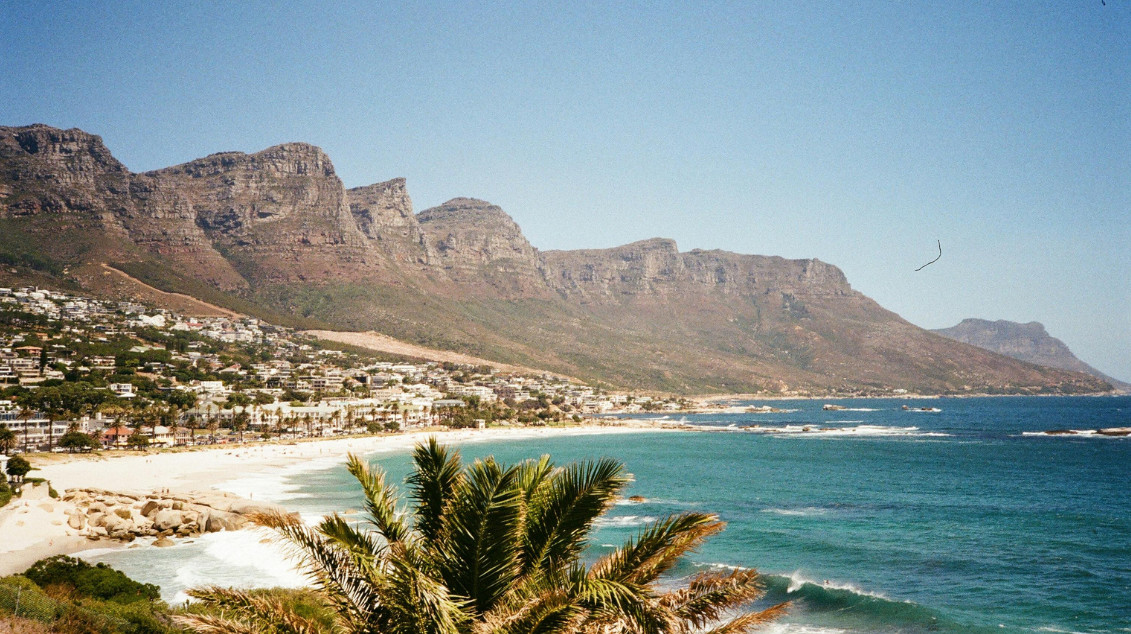
Cape Town, South Africa – $1,800/month
Cape Town is a feast for the senses - think towering mountains, golden beaches, and award-winning vineyards all in one place. English is widely spoken, making integration easier for many digital nomads. For $1,800/month, you can enjoy modern apartments in trendy neighborhoods like Sea Point or Gardens, dine out often, and join coworking hubs such as Workshop17 or Ideas Cartel.
Cape Town also has a rich history and cultural depth, with museums, art galleries, and music venues dotting the city. Just make sure to check rolling blackouts (load shedding) and secure a spot with backup power options.
Las Palmas, Gran Canaria, Spain – $1,800/month
Sunshine year-round and Atlantic ocean views? Las Palmas is a dreamy yet practical destination for nomads. As one of Spain’s Canary Islands, it enjoys a warm climate, a relaxed pace of life, and a cost of living that’s surprisingly affordable for Europe.
For around $1,800/month, you can enjoy beachfront apartments, fresh seafood, and co-working spots like The House or Soppa de Azul. Spain’s new digital nomad visa makes it even easier to stay long-term. The island also offers easy access to outdoor activities, from hiking and biking to surfing, making it a great place to recharge after work hours.
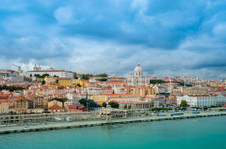
Lisbon, Portugal – $2,000/month
Find perfect apartments for rent in Lisbon
Lisbon might be the priciest city on this list, but it still represents solid value for a European capital. With $2,000/month, digital nomads can rent a centrally located apartment, enjoy delicious Portuguese food, and join vibrant coworking communities like Second Home or Heden.
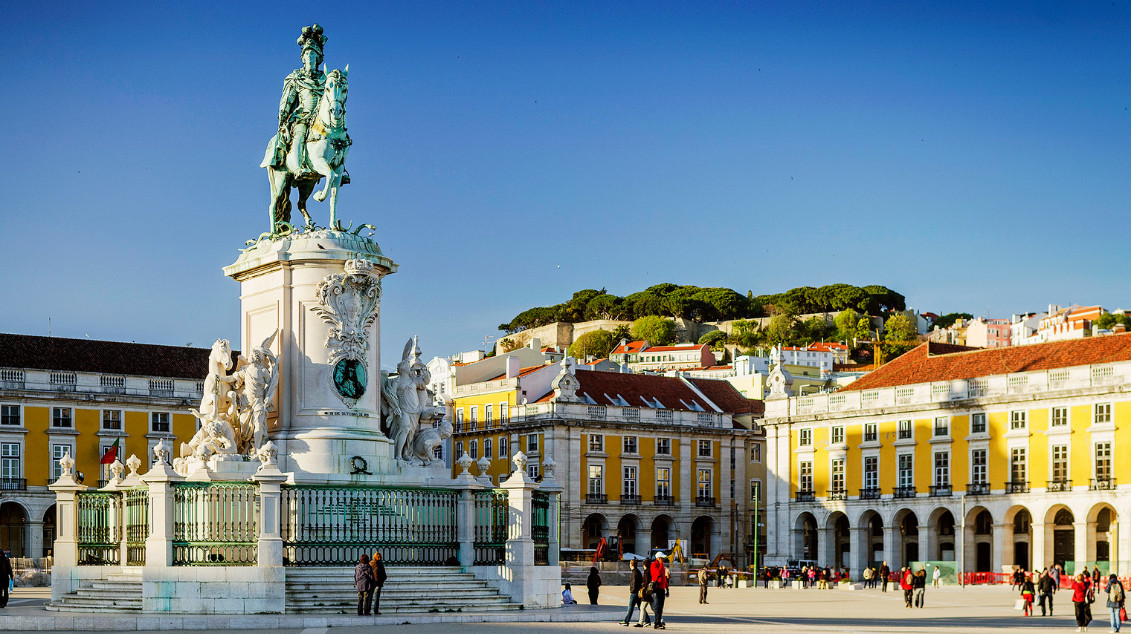
The city is known for its safety, sunny climate, and friendly locals. Lisbon’s cobbled streets, historic trams, and pastel-colored buildings make every walk a treat. Beyond its aesthetics, the city also boasts a booming tech and startup scene, plenty of nomad meetups, and easy access to weekend getaways like Cascais or Sintra.
FAQs About Living Abroad as a Digital Nomad
1. Do I need a special visa to live in these cities as a digital nomad?
In many cases, yes - especially if you plan to stay longer than the standard tourist visa allows. Thankfully, over 50 countries now offer digital nomad visas or long-stay freelance permits, which are designed specifically for remote workers. These visas typically require proof of income, valid health insurance, and sometimes a background check or a local tax registration. For example, Spain, Portugal, and Cape Verde have recently launched digital nomad-friendly visa options. Always check official government websites or speak with an immigration expert to ensure you're applying for the correct visa type.
2. Can I really live comfortably on $2,000/month?
Absolutely - but comfort is subjective and depends on your lifestyle. In most of these cities, $2,000/month covers basic expenses such as rent, utilities, food, local transportation, and even some entertainment. That said, if you're someone who enjoys dining out at upscale places or frequent travel, your budget may need adjusting.
Many digital nomads adopt a minimalist approach: they live simply, cook at home, and enjoy low-cost local experiences. With that mindset, $2,000 can stretch quite far in these destinations, especially in Southeast Asia and Latin America.
3. Is it safe to live in these places long-term?
Generally, yes - all the cities mentioned have well-established expat and digital nomad communities, which is a good sign of overall safety. However, it's essential to research specific neighborhoods, understand cultural norms, and stay aware of local safety tips. Petty crimes like pickpocketing can happen in touristy areas, but serious crime is often avoidable by sticking to safer zones.
Connecting with local expats through Facebook groups or online forums can offer firsthand safety advice and give you insights into which areas are best for long-term stays.

4. What about healthcare while abroad?
Healthcare access and quality can vary widely between countries, so it’s smart to plan ahead. Many digital nomads rely on international travel insurance providers such as SafetyWing, World Nomads, or IMG Global. These plans often cover emergencies, hospital stays, and basic outpatient care. In some countries, private healthcare is affordable and high-quality - for example, Thailand and Colombia offer excellent private medical facilities at a fraction of U.S. prices.
Additionally, some digital nomad visas require proof of health insurance as part of the application process.
5. Are these cities good for networking and building a career?
Definitely. Many of the cities listed have thriving startup ecosystems, coworking spaces, networking events, and online nomad communities. Cities like Lisbon, Budapest, and Bali host regular meetups for digital creatives, software developers, marketers, and entrepreneurs. You can also find accelerators, incubators, and workshops aimed at helping remote professionals level up their careers.
Whether you’re freelancing, building a business, or working for a remote company, these cities provide ample opportunity to connect, collaborate, and grow professionally.
6. What's the best way to find accommodation as a nomad?
Start with platforms designed for flexible living - Flatio is excellent for short to medium-term rentals. For longer stays, local Facebook groups and expat forums often reveal more affordable options - sometimes even better deals than you’ll find on listing sites. If you’re open to a more communal lifestyle, co-living spaces offer an instant community along with furnished accommodation, utilities, and events.
Always research reviews, ask for photos or videos, and consider staying a week or two in a hotel or hostel to explore neighborhoods before committing long-term.