

If your office fits in a backpack, Toronto is one of those cities that simply works. You get reliable high-speed internet, dense cafes and coworking ecosystems, and an urban grid where daily errands are a quick walk or streetcar ride away. Canada’s current guidance makes it easy for digital nomads to test Toronto for up to six months while working for a foreign employer, so “try before you buy” is more than a slogan. Layer on a pipeline of brand-new condo buildings designed around modern work—think meeting pods, reservable rooms, parcel lockers, and building-wide Wi-Fi — and you’ve got a city that supports productivity by default.
Curious whether the lifestyle — and math — really work in 2025? Keep reading for a practical, data-minded guide and a step-by-step plan.
Owncondo — the #1 Online Platform for Finding Pre-Construction Condos in Toronto
Owncondo is a Toronto-first platform built for buyers and investors who want a clear edge in the pre-construction market. You get early looks at upcoming releases — floor plans, launch pricing, and VIP incentives — plus side-by-side comparisons and guided support from unit selection through closing. With deep local expertise and data you can act on, Owncondo turns a complex decision into a confident, strategic one.
Showcasing one of the city’s broadest selections of pre-construction condos in Toronto, the platform covers every budget and lifestyle and updates pricing as the market moves. Friendly, well-trained reps keep the process smooth and transparent, while a service ethos that prioritizes choice, clarity, and absolute value makes Owncondo a partner you can trust. If Toronto is your target, it’s the rare combo of national-portal breadth with boutique-broker care — precisely the support modern buyers expect.
The 2025 Nomad Reality: Policy + Productivity
The first question most nomads ask is “Can I actually work here — legally and comfortably?” In Toronto, the answer is yes on both counts. Policy allows you to test the city; infrastructure keeps you productive once you arrive.
Here's what this looks like in practice
You can stay for a limited period (typically up to six months) while working for a non-Canadian employer, making trial runs straightforward. Fixed-broadband performance across the core is robust enough for 4K calls, cloud IDEs, and large asset transfers, so you won’t burn time hunting for niche plans. And with dozens of third-party coworking rooms on top of condo lounges, switching from “home focus” to “heads-down offsite” is as easy as booking a day pass.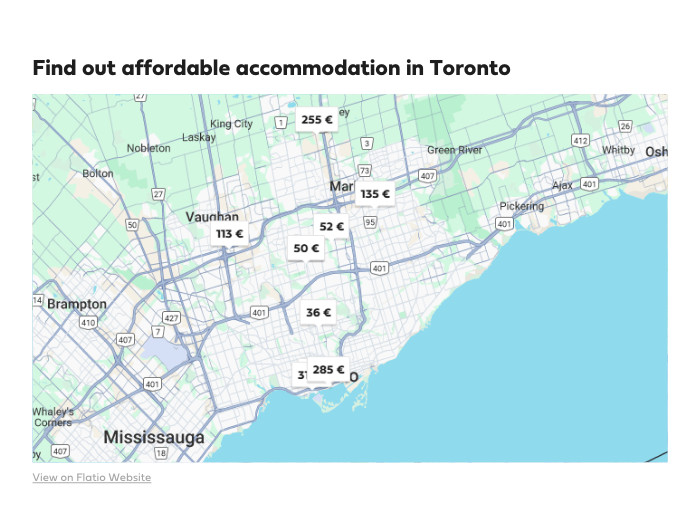
Why Pre-Construction Suits the Way Nomads Work
Not all condos are created equal for remote work. Newer buildings are being designed around a post-office world, and it shows in the details. If your income depends on smooth, quiet, connected hours, pre-con has structural advantages.
1) Amenities built for work. Many 2025 deliveries and recent completions prioritize business lounges, phone booths, reservable meeting rooms, and parcel management. Those features are still inconsistent in older stock but are becoming standard in new launches.
2) Connectivity baked in. New towers frequently include fiber backbones and bulk-internet agreements — one contract, stable speeds, fewer surprises. For people on calls across time zones, a building engineered for throughput is worth more than shaving a few dollars on legacy wiring.
3) Smarter small layouts. Studios+den and 1-bed+den plans have proliferated, giving you dedicated WFH nooks that aren’t afterthoughts. In dense urban settings, a door you can close (or a well-ventilated alcove with power) is productivity gold.
4) Negotiating power in 2025. Elevated completions in the past year left buyers with more choice and, in pockets, softer absorptions — translating into extended deposits, curated incentives, or even furniture credits on select launches. That leverage can be converted directly into WFH value (e.g., securing a den layout at a sharper effective price or negotiating sound-rated interior doors).
5) A friendlier rate path on the horizon. As financing conditions gradually normalize, buyers planning 2026-27 occupancies can structure deposits over time and reassess mortgage options closer to closing, potentially improving monthly affordability.
Neighbourhoods that “Click” for Remote Work

Where you live shapes how you work on a day-to-day basis. Pick a pocket that mirrors your routine — client lunches, deep-work mornings, creator nights, or airport hops. These six areas balance access, vibe, and a growing stack of new builds.
Downtown Core / Financial District
Wall-to-wall coworking, PATH connectivity for winter, and elevators-to-coffee in five minutes. Ideal if your calendar is heavily booked with client calls and in-person meetings.
King West & Liberty Village
A longstanding tech/creative cluster with deep café culture and a large inventory of newer condos whose amenity suites skew professional.
Yorkville / Bloor Corridor
Premium towers with quieter lobbies, library access, and Line 1 for quick north–south movement. Ideal for heads-down work that requires central access.
Eglinton Corridor (Line 5 Crosstown)
As the LRT launches, the east-west reach across midtown expands. Pair midtown rents with quick access to downtown day-passes and you’ve got a flexible live-work rhythm.
Riverside / East Harbour (future Ontario Line)
A long-term bet: the new subway spine under construction will enhance accessibility and catalyze the development of new mixed-use nodes.
Etobicoke Waterfront
Growing new-build inventory, calmer blocks for creators who record or edit, and quick UP Express hops for airport runs.
Renting First? Smart — and Easy to Arrange
A month-to-month landing pad lets you test neighbourhoods and routines before you commit. Keep it furnished, stay connected, and remain flexible. Mid-term rentals are perfect bridges to owning a home outright.
Two helpful starting points
Try Flatio Toronto rentals for verified, utilities-included stays you can book from abroad. If you want a quieter, more “home-like” setup, browse apartments in Toronto for kitchens and layouts that suit long work sessions. If you’re considering offsetting costs with occasional hosting, remember that Toronto generally limits short-term rentals to your principal residence — always confirm building rules and city requirements first.
The Checklist: What to Insist on in a Nomad-Friendly New Build
Treat the building like your productivity stack. The correct specs prevent death-by-a-thousand-frictions — noisy HVAC, weak uploads, awkward deliveries. Use this short list to separate “nice” from “necessary.”
Your must-haves:
- Connectivity. Confirm fiber-to-the-unit or equivalent and ask for typical peak-hour speeds under load.
- Workspaces. Quiet rooms, pods, and reservable meeting spaces with hours that fit your time zone.
- Acoustics & privacy. Ask about STC ratings, den placement, and mechanical locations; call quality depends on them.
- Deliveries & access. 24/7 parcel lockers, concierge support, and guest Wi-Fi for collaborators.
- Contractual flexibility. Assignment rights, lease-during-occupancy options, and clear interim-occupancy fees.
- Transit & airport. Easy reach to Union/UP Express and (future) Line 5 or Ontario Line nodes to cut travel waste.

Data Snapshot: What the Numbers Say in 2025
The lifestyle case feels strong, but data should confirm the vibe. These quick markers show why 2025 lines up for nomads. Use them when comparing projects or negotiating extras.
Signals to watch:
- Policy clarity. Digital-nomad guidance supports limited-duration stays for people employed outside Canada, enabling low-friction trials.
- Work patterns. Hybrid remains common in postings, and fully remote roles persist across tech, creative, and pro services — sustaining demand for WFH-ready homes.
- Connectivity. Major ISPs deliver speeds ample for 4K video, cloud dev, and large file transfers across the core and new-build corridors.
- Supply & leverage. Elevated condo completions created more choice and, in pockets, better terms — capture incentives that translate directly into workday value.
- Rates backdrop. With policy rates easing from peak levels, buyers targeting 2026–27 closings may see improved affordability versus peak-tightening decisions.
A Simple Path from “Testing Toronto” to “Owning in Toronto”
You don’t have to choose everything on day one. Think of it as a runway: land, work, learn, then buy with precision. Here’s a clean sequence that protects focus and cash flow.
Five clear steps:
- Land and work. Book a month-to-month base with reliable Wi-Fi while you explore neighbourhoods (see Flatio links above).
- Define your workday. Mostly Zoom? Mostly deep work? Creator workflows? Your routine decides whether you prioritize pod rooms, south-light layouts, or raw upload speed.
- Shortlist with data. On Owncondo, filter for transit adjacency (future Line 5 / Ontario Line), co-working lounges, and dens; compare deposit ladders and assignment clauses.
- Capture incentives. In a high-inventory environment, negotiate for what boosts productivity — built-in millwork, sound-rated interior doors, or upgraded networking gear — not just headline price.
- Plan the runway. If occupancy is 18-30 months out, align deposits with cash flow and revisit rates each milestone; a friendlier rate at close can offset part of today’s monthly rent.
Balanced Risks — and How to De-risk Them
Savvy buyers plan for the “what-ifs.” Delivery dates can slip; resale comps can wobble; bylaws can cap side-income ideas. None of these are dealbreakers if you price and plan correctly.
- Timing and delivery: Big transit and mixed-use projects can slip — great for long-term value, but build a buffer plan (e.g., extend a furnished rental) in case occupancy dates move.
- Price at occupancy: With elevated completions, resale comps can soften near delivery. Buy for use-value first, and treat incentives as crucial to total value.
Short-term rental assumptions: Toronto’s principal-residence rule tightly caps Airbnb strategies; don’t underwrite your purchase with STR income unless you’ll actually live there.
Conclusion
Toronto offers a rare combo of global-city energy, serious infrastructure investment, and a new-build cycle tuned to remote work. You can legally test the city for a limited stay, verify neighbourhood fit, then convert into a pre-construction purchase with negotiated WFH-centric extras. In 2025, leverage abundant inventory, aim for buildings where the amenity stack doubles as your office, and let transit-ready locations future-proof your mobility.


