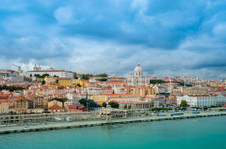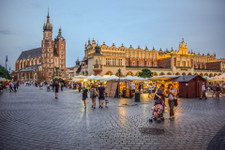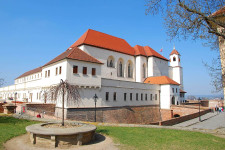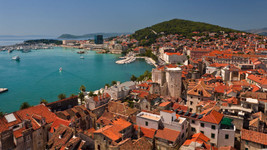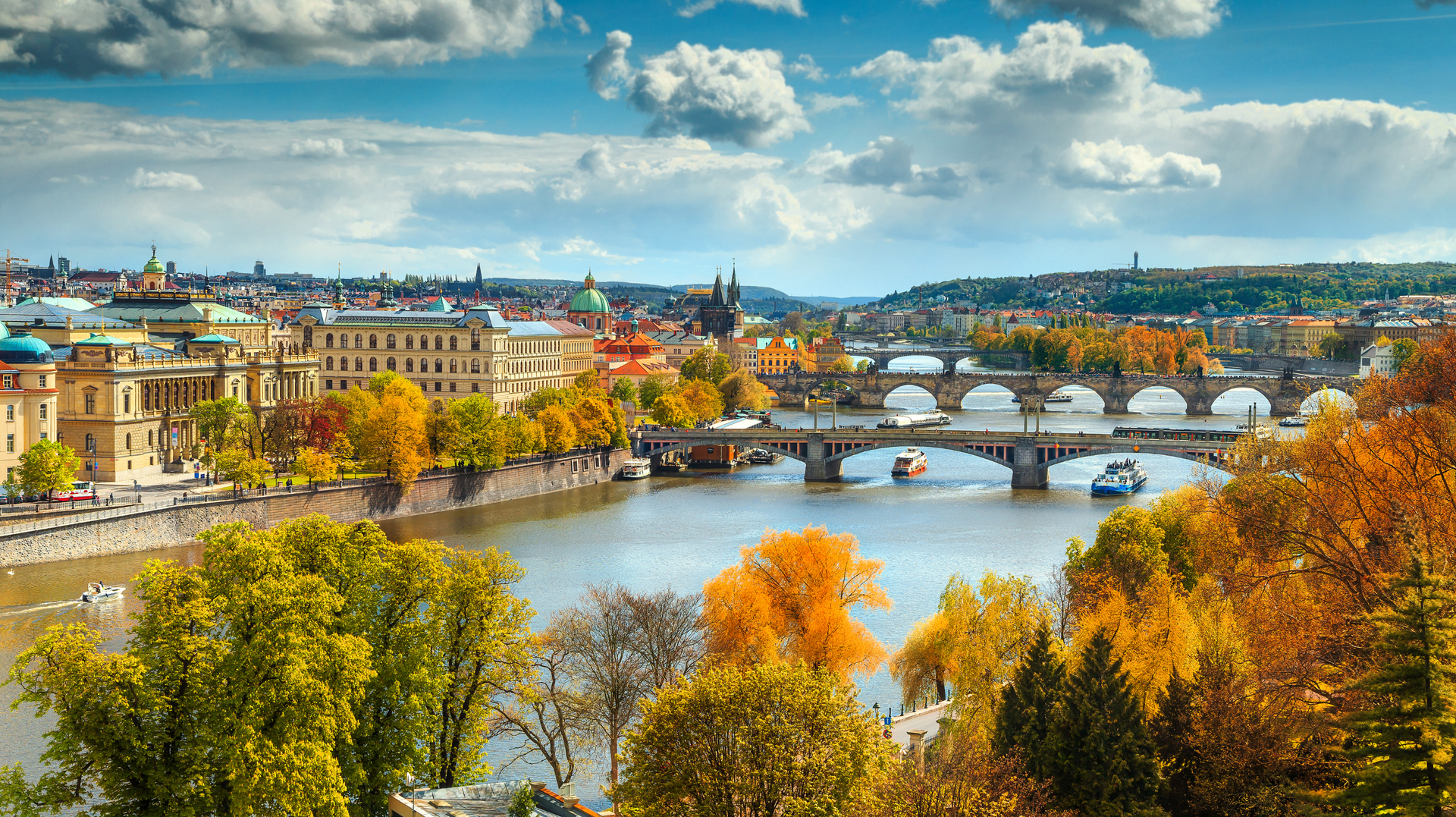
Looking for an affordable yet vibrant European destination to live in? Discover the 10 most budget-friendly countries—each offers charming cities, manageable monthly expenses, and a comfortable standard of living. Whether you're an expat, remote worker, student, or retiree, this guide will take you through all the details.
Find perfect apartments for rent in Europe
Romania
Romania is one of Europe’s most cost-effective destinations, boasting scenic landscapes, rich history, and modern cities without the high prices.
Accommodation
In Bucharest, a one-bedroom apartment in the city center ranges from €300–€400/month. Smaller towns like Cluj-Napoca or Timișoara are slightly pricier but still affordable.
Groceries
Expect to spend around €150–€200/month per person on staples like bread, vegetables, dairy, and meat.
Restaurants
Local meals cost €5–€7. Mid-range restaurants may run €10–€15 per meal.
Entertainment
Cinema tickets are under €6, theater events cost about €10–€15, and a beer in bars is €1–€2.
Internet
Unlimited fiber optic service tends to be around €10–€15/month.
Phone plan
Mobile plans with data start near €5–€10/month.
Transportation
Monthly public transit passes are €10–€15 in most cities.
Total Monthly Cost
- Accommodation €350
- Food €175
- Restaurants €100
- Entertainment €50
- Internet €12
- Phone €7
- Transport €12
- = approximately €706/month.
Average Salary
The net average wage in Romania is roughly €600–€700/month, with some earning €900+ in IT and multinational sectors.
Best cities to live in:

Albania
Nestled on the Adriatic, Albania offers dramatic coastlines and surprisingly low living costs.
Accommodation
In Tirana, central one-bedroom apartments go for €200–€300/month.
Groceries
Monthly grocery expenses are around €120–€160 per person.
Restaurants
Local meals cost €4–€6, while mid-range restaurants charge €8–€12.
Entertainment
Cinema tickets are €3–€5, theater performances €5–€10, and beers €1–€2.
Internet
Plans range from €12–€18/month.
Phone plan
Basic packages with data are €5–€8/month.
Transportation
Public transport passes are about €8–€12/month.
Total monthly cost
- Accommodation €250
- Food €140
- Restaurants €80
- Entertainment €35
- Internet €15
- Phone €6
- Transport €10
- = around €536/month
Average salary
Net monthly income hovers near €300–€400, particularly in service or light-industry jobs.
Best cities to live in
Croatia
Find perfect apartments for rent in Croatia
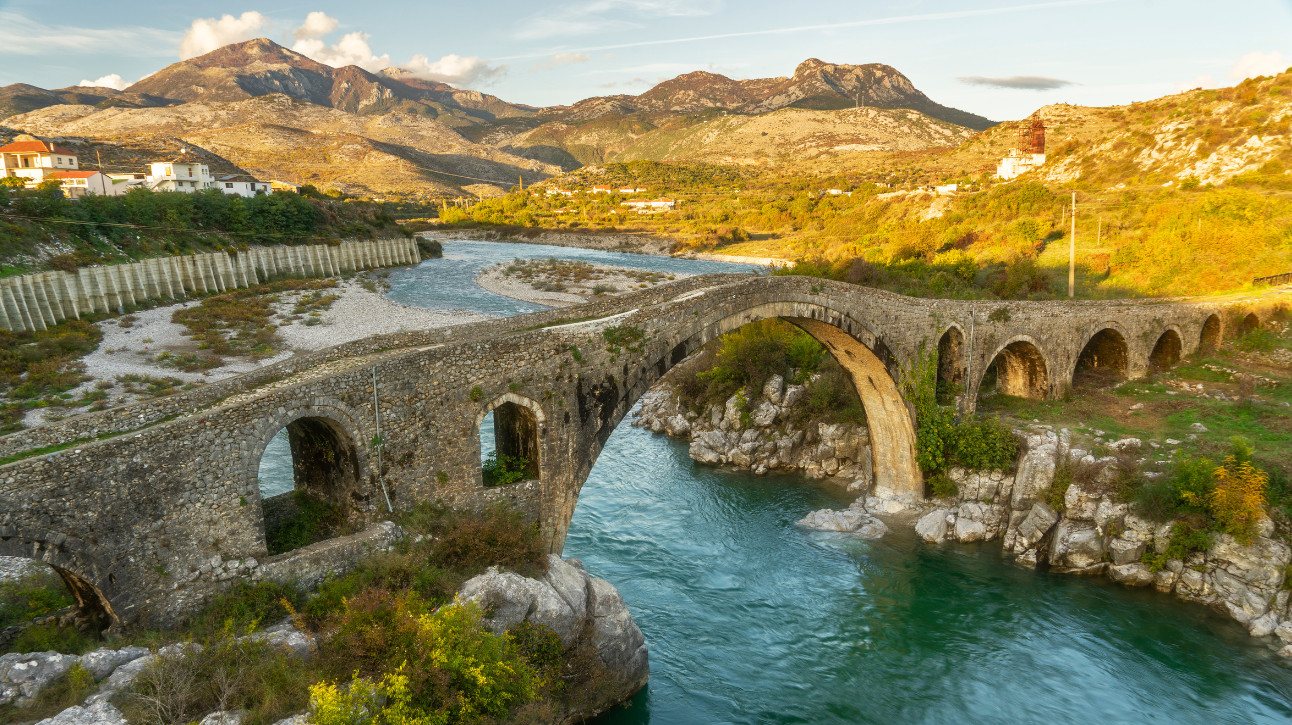
Croatia is renowned for its picturesque Adriatic coast and historic cities. It balances affordable living with a high quality of life.
Accommodation
In cities like Zagreb or Split, a one-bedroom apartment in the center costs around €400–€500/month. Cheaper options are available in smaller towns.
Groceries
Monthly grocery costs average about €180–€220 per person.
Restaurants
A simple meal in a local eatery is €6–€8. Dining out at mid-range spots costs around €12–€18 per person.
Entertainment
Cinema tickets are €5–€8, with bars and concerts averaging €10–€20 monthly for casual visits.
Internet
High-speed connections range from €20–€25/month.
Phone plan
Mobile services with data start around €10/month.
Transportation
Monthly public transportation passes cost €30 in larger cities.
Total monthly cost
- Accommodation €450
- Food €200
- Restaurants €90
- Entertainment €50
- Internet €22
- Phone €10
- Transport €30
- = approximately €852/month.
Average Salary
The average net salary is about €900–€1,100/month, making Croatia one of the better-paying countries on this list.
Best cities to live in:
Poland
Poland combines modern infrastructure, strong job prospects, and reasonable living costs, especially in cities like Kraków and Wrocław.
Accommodation
Expect to pay €400–€500/month for a city-center apartment in larger cities.
Groceries
Monthly grocery spending is about €150–€200 per person.
Restaurants
Meals at local spots cost €6–€9, while dining out ranges from €12–€20.
Entertainment
Cinema (€5), bars, and cultural events add up to €40–€60/month.
Internet
Broadband plans start at €10–€15/month.
Phone plan
Basic mobile packages with data are available for €5–€8/month.
Transportation
A transit pass costs €20–€30/month depending on the city.
Total monthly cost
- Accommodation €450
- Food €180
- Restaurants €100
- Entertainment €50
- Internet €12
- Phone €6
- Transport €25
- = approximately €823/month
Average Salary
Net income is around €950–€1,200/month, particularly for tech or multilingual roles.
Best cities to live in

Bulgaria
Bulgaria is often considered one of Europe’s best-kept secrets, with stunning mountains, coastal resorts, and ultra-low living costs.
Accommodation
In Sofia or Plovdiv, a one-bedroom in the center can be rented for €250–€350/month.
Groceries
Grocery bills hover around €120–€170 per month.
Restaurants
Dining out is cheap, with meals between €4–€10.
Entertainment
Cinema is €4–€6, theater tickets €10, and bars are budget-friendly.
Internet
Plans are affordable, costing €10–€14/month.
Phone plan
Basic packages with calls and internet go for €5–€7/month.
Transportation
A monthly transit pass costs about €15–€20.
Total monthly cost
- Accommodation €300
- Food €150
- Restaurants €80
- Entertainment €40
- Internet €12
- Phone €6
- Transport €18
- = approximately €606/month.
Average Salary
Bulgaria’s net average salary is around €550–€700/month.
Best cities to live in

Czechia
Find perfect apartments for rent in Prague
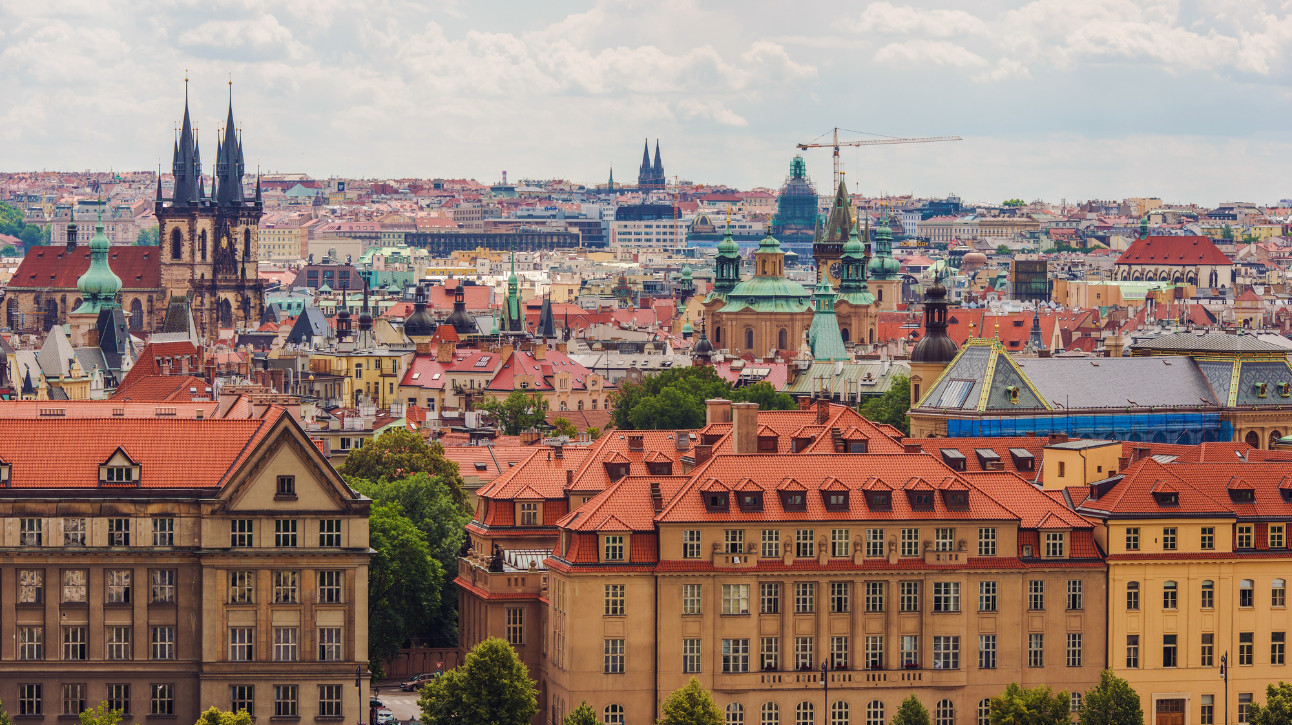
Czechia, particularly Prague and Brno, offers a high standard of living, efficient infrastructure, and a strong expat community.
Accommodation
Apartments in Prague can cost €500–€700/month, with cheaper options in smaller towns.
Groceries
Expect to spend €170–€220/month per person.
Restaurants
Meals range from €6–€12 in most establishments.
Entertainment
Movies, theaters, and bars cost around €50/month in total.
Internet
Plans range from €15–€20/month.
Phone plan
Basic services with 5–10GB of data are €8–€12/month.
Transportation
Monthly passes are priced between €20–€30.
Total monthly cost
- Accommodation €600
- Food €190
- Restaurants €90
- Entertainment €50
- Internet €18
- Phone €10
- Transport €25
- = approximately €983/month.
Average Salary
Czechia boasts an average net salary of around €1,100–€1,300/month.
Best cities to live in
Slovakia
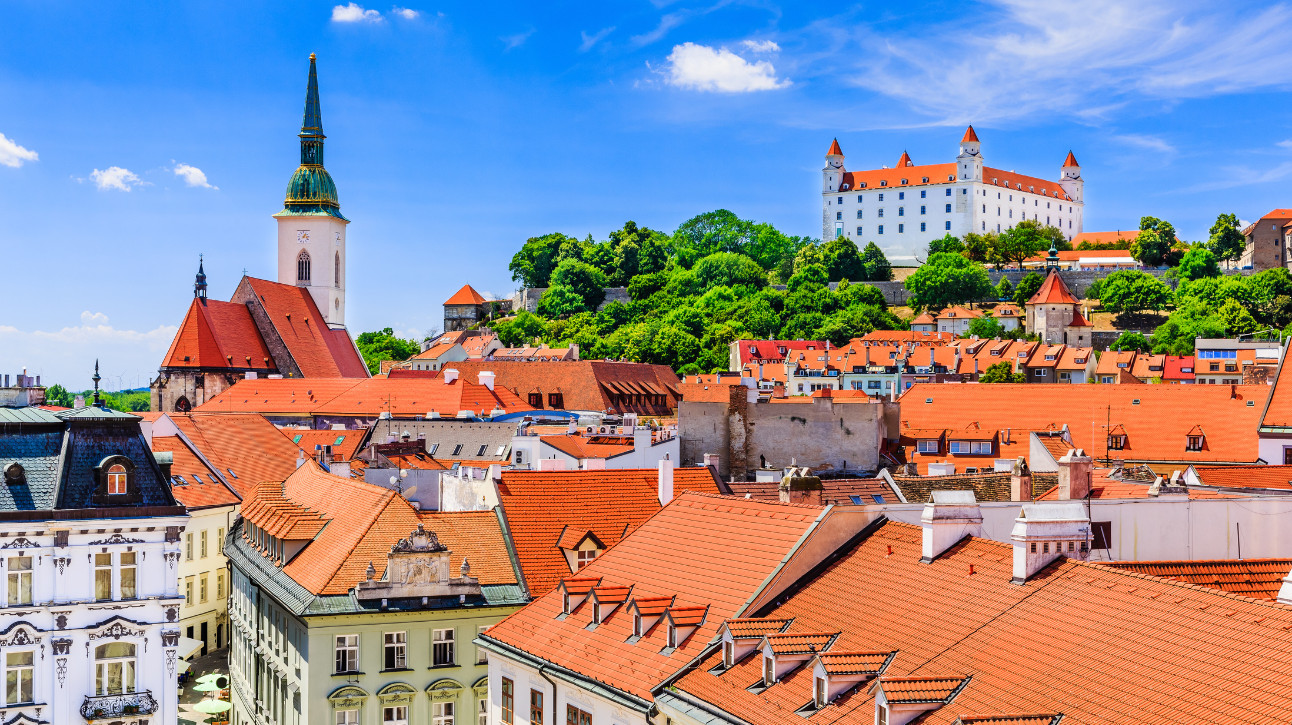
Slovakia offers a blend of scenic mountains and vibrant city life at relatively low living costs, especially in Bratislava and Košice.
Accommodation
In the capital, a one-bedroom apartment in the center typically costs €450–€600/month.
Groceries
Grocery costs average €160–€200 per person monthly.
Restaurants
Meals range from €6–€10 at local eateries, while mid-range dinners are around €15–€20.
Entertainment
Expect to spend about €40–€60/month on leisure activities.
Internet
Fast internet plans cost around €15–€20/month.
Phone plan
Affordable mobile data and call plans start from €8–€12/month.
Transportation
Public transit passes are generally €25–€30/month.
Total monthly cost
- Accommodation €500
- Food €180
- Restaurants €90
- Entertainment €50
- Internet €18
- Phone €10
- Transport €28
- = approximately €876/month
Average Salary
The average net monthly salary is around €1,000–€1,200.
Best cities to live in
- Bratislava
- Košice
- Nitra
- Žilina
Hungary
Find perfect apartments for rent in Budapest
Hungary, with its rich culture and affordable urban life, is a favorite among students and digital nomads alike.
Accommodation
In Budapest, a one-bedroom apartment in the city center ranges between €400–€550/month.
Groceries
Monthly grocery expenses are around €150–€200.
Restaurants
Casual dining starts at €5, with mid-range options around €12–€18.
Entertainment
Cinema and nightlife together cost roughly €40–€60/month.
Internet
Broadband internet plans are about €12–€18/month.
Phone plan
Mobile packages cost €6–€10/month.
Transportation
Public transport in Budapest is well-developed, costing around €25–€30/month.
Total monthly cost
- Accommodation €500
- Food €170
- Restaurants €90
- Entertainment €50
- Internet €15
- Phone €8
- Transport €28
- = approximately €861/month.
Average Salary
The net average salary is about €850–€1,100/month.
Best cities to live in
Serbia
Serbia, particularly Belgrade and Novi Sad, offers vibrant urban life at some of the lowest prices in Europe.
Accommodation
A one-bedroom in central Belgrade costs €300–€400/month.
Groceries
You’ll spend about €120–€160 monthly on groceries.
Restaurants
Meals are budget-friendly, ranging from €4–€8.
Entertainment
Nightlife, cinema, and other activities come to around €30–€50/month.
Internet
High-speed internet costs €10–€15/month.
Phone plan
Mobile plans are about €5–€8/month.
Transportation
Monthly public transport passes cost €15–€20.
Total monthly cost
- Accommodation €350
- Food €140
- Restaurants €70
- Entertainment €40
- Internet €12
- Phone €6
- Transport €18
- = approximately €636/month
Average salary
Net salaries are around €500–€650/month, depending on the industry.
Best cities to live in

Portugal
Find perfect apartments for rent in Portugal
Though slightly pricier than others on this list, Portugal—especially outside Lisbon—offers warm weather and relaxed living at reasonable rates.
Accommodation
In Porto or Coimbra, rent ranges from €400–€600/month for a central one-bedroom apartment.
Groceries
Expect to spend €180–€220/month on groceries.
Restaurants
Casual meals cost €6–€10, while nicer spots charge €15–€25.
Entertainment
You might spend around €50–€80/month on movies, bars, and events.
Internet
Broadband internet plans cost around €25–€30/month.
Phone plan
Mobile services with data are around €10–€15/month.
Transportation
Public transport passes are €30–€40/month in major cities.
Total monthly cost
- Accommodation €500
- Food €200
- Restaurants €100
- Entertainment €60
- Internet €27
- Phone €12
- Transport €35
- = approximately €934/month.
Average salary
Portugal’s average net salary is €900–€1,100/month.
Best cities to live in
Cost of living comparison table
|
Country |
Accommodation |
Groceries |
Restaurant |
Entertainment |
Internet |
Phone |
Transport |
Total Cost | AvgSalary |
| Romania | €350 | €175 | €100 | €50 | €12 | €7 | €12 | €706 | €600–€700 |
| Albania | €250 | €140 | €80 | €35 | €15 | €6 | €10 | €536 | €300–€400 |
| Croatia | €450 | €200 | €90 | €50 | €22 | €10 | €30 | €852 | €900–€1,100 |
| Poland | €450 | €180 | €100 | €50 | €12 | €6 | €25 | €823 | €950–€1,200 |
| Bulgaria | €300 | €150 | €80 | €40 | €12 | €6 | €18 | €606 | €550–€700 |
| Czechia | €600 | €190 | €90 | €50 | €18 | €10 | €25 | €983 | €1,100–€1,300 |
| Slovakia | €500 | €180 | €90 | €50 | €18 | €10 | €28 | €876 | €1,000–€1,200 |
| Hungary | €500 | €170 | €90 | €50 | €15 | €8 | €28 | €861 | €850–€1,100 |
| Serbia | €350 | €140 | €70 | €40 | €12 | €6 | €18 | €636 | €500–€650 |
| Portugal | €500 | €200 | €100 | €60 | €27 | €12 | €35 | €934 | €900–€1,100 |
Factors affecting cost of living in Europe
Several variables impact how much you’ll spend in any European country. Here’s what to keep in mind:
- Currency Fluctuations: Countries using their own currency (like Serbia or Hungary) may offer better value due to exchange rates.
- Urban vs. Rural: Major cities typically cost more than smaller towns or rural areas.
- Lifestyle Choices: Dining out frequently, living alone, or seeking
- Western-style comforts will increase expenses.
- Visa and Residency: Long-term stays may require proof of income or specific visa categories—these can affect both eligibility and cost of living.
Tips for expats and digital nomads
Live Like a Local: Shop at markets, use public transport, and avoid touristy areas to cut costs.
- Shared Housing: Rent a room instead of a whole apartment to save hundreds monthly.
- Coworking Spaces: Affordable in cities like Cluj-Napoca, Belgrade, and Porto—great for remote work.
- Health Insurance: Budget €30–€80/month for quality private insurance if public coverage isn’t available.
- Work Opportunities: Remote work, English teaching, IT, and tourism are major job sectors across these countries.
Frequently Asked Questions
1. What is the cheapest country in Europe to live in?
Currently, Albania stands out as the cheapest, with average monthly expenses under €550.
2. Can I live comfortably in Europe on €1,000 per month?
Yes, in most countries listed here, especially in Bulgaria, Romania, Serbia, and Albania, €1,000/month ensures a comfortable lifestyle.
3. Which country is best for digital nomads?
Portugal and Hungary offer strong internet, coworking spaces, and visa options specifically for remote workers.
4. Is it easy to find English-speaking communities?
Yes. Cities like Prague, Lisbon, Bucharest, and Budapest have thriving expat scenes with English widely spoken.
5. Do I need a visa to live in these countries?
EU citizens can move freely. Non-EU citizens may need a long-term visa or residency permit—requirements vary by country.
6. Are these countries safe to live in?
Absolutely. All 10 countries listed have relatively low crime rates and are considered safe for expats and digital workers.
Your European Budget Haven Awaits
Europe doesn’t have to break the bank. Whether you're captivated by Portugal’s coastlines, Romania’s forests, or Serbia’s cultural pulse, you can live well for under €1,000/month in most of these countries. For retirees, remote workers, or anyone seeking a new life chapter, these destinations offer low costs, beautiful settings, and warm communities.
Each country has its own appeal—choose based on your lifestyle, language preferences, and income. With the right planning, a rich European life is just a flight away.