In an increasingly globalized world, more Americans are looking beyond their borders in search of adventure, affordability, and a better quality of life. Whether it's escaping the high cost of living in the U.S., pursuing remote work opportunities, or simply embracing a change in scenery, relocating to another country has never been more accessible.
In this comprehensive guide, we explore the 10 easiest countries for American citizens to move to, diving deep into what makes each location ideal—from visa policies and lifestyle benefits to detailed monthly cost breakdowns.
Find perfect apartments for rent in Portugal
Mexico
Why Mexico Is easy for Americans
Mexico is a top destination for American expats thanks to its proximity to the U.S., a shared border allowing for frequent visits, and strong cultural ties. Many locals are familiar with American customs and often speak English - especially in expat-heavy areas.
The visa process is relatively simple: Americans can stay up to 180 days as tourists and can easily transition to temporary or permanent residency based on income, retirement funds, or investment. Consequently, settling in feels seamless.
Cost of living in Mexico
Mexico’s living expenses are much lower than in the U.S. Rent for a fully furnished one-bedroom apartment in a major city like Mexico City or Guadalajara typically ranges between $450–$650 per month. Groceries are affordable - staples like fresh produce, tortillas, beans, rice, and chicken are inexpensive.

Dining out at mid-range restaurants costs around $8–$12 per meal, with higher-end venues costing slightly more. Entertainment options - cinemas, theater tickets, and social outings—are available at modest prices. Utilities, internet, and public transit are wallet-friendly too, making Mexico an attractive financial choice for long-term living.
Albania
Why Albania Is accessible
Albania is emerging as an accessible and soulful destination for expats. U.S. citizens can enter visa-free for up to one year, and a residence permit based on sufficient income or remote work is relatively straightforward to obtain. English is increasingly taught in schools and used in tourist-friendly towns, facilitating integration.
With gorgeous Mediterranean scenery, unspoiled beaches, and a rich cultural heritage, Albania offers a quieter, idyllic lifestyle with fewer crowds and a friendly, laid-back atmosphere.
Cost of living in Albania
Living in Albania is remarkably affordable. In cities like Tirana, the rent for a modern one-bedroom apartment can be as low as $250–$350. Groceries, focused heavily on local produce and staples, can cost around $140–$180 monthly. Dining out is relaxed and inexpensive, averaging $6–$10 for a good meal.
Nightlife, outings, and cultural experiences are often local and family-run, keeping entertainment costs low. Basic utilities and high-speed internet are also very economical, contributing to a stress-free lifestyle with financial breathing room.
Czechia
Find perfect apartments for rent in Prague
Advantages for Americans
Czechia - a centrally located, EU-member country—offers expats a pleasant blend of laid-back living and European convenience. Americans can apply for long-term visas like the Zivno trade license, student visa, or employment permit, each with clear requirements. English is widely spoken in Prague and other expat hubs. The vibrant expat scene, efficient transportation systems, strong healthcare, and central location within Europe make Czechia especially welcoming.
Cost of living in Prague
Renting a one-bedroom apartment in city centers like Prague costs between $450–$600 per month. Groceries cost around $230–$280 monthly. Meals in casual restaurants usually range from $10–$15 per person. Cinemas, theaters, cafés, bars, and cultural events are quite accessible.

Utilities and high-speed internet remain affordable, with public transport subscriptions around $30–$40/month, providing plentiful and inexpensive mobility options.
Slovakia
Why Americans choose Slovakia
Slovakia, nestled in the heart of Europe, offers a relaxed way of life with strong infrastructure and family-friendly neighborhoods. Americans can obtain residency through study, work, or investment, and subsequently gain visa-free access to the Schengen Area.

Slovakia features a growing startup and tech scene - especially in Bratislava and Košice - and blends historic architecture with modern amenities. Most Slovaks speak some English, particularly younger generations, making it easier for new residents to adapt.
Cost of living in Slovakia
Monthly rent for a moderately sized, furnished one-bedroom in Bratislava is around $400–$500. Grocery expenses fall between $210–$250 monthly, thanks to local produce and everyday staples. Eating out calmly in mid-range restaurants costs between $10–$15.
Cultural entertainments and nightlife come at reasonable prices, while fast internet and a comprehensive public transport system are also affordable. The total cost of living is balanced, offering modern comforts without overwhelming your budget.
Hungary
Find perfect apartments for rent in Budapest
Why Hungary Is simple to tove To
Hungary permits Americans to apply for residency through study, work, rental contracts, or income-based visas. The Hungarian Government offers simplified processes for investors and retirees as well.
Budapest is a well-known expat magnet, stocked with coworking spaces, English-friendly professionals, and cultural events. English is commonly used in cities and tourist centers, easing communication and community connections.
Cost of living in Hungary
Rent for a furnished one-bedroom apartment in Budapest ranges from $350–$450 monthly. Grocery costs hover around $200–$240 per month. Eating out at modest local restaurants typically costs $8–$12 per meal.
Cinemas, theaters, and coffee shops are priced fairly, while utilities and fast internet remain competitively priced. The transport system - metros, trams, buses - is efficient and budget-friendly, rounding out a cost-effective urban lifestyle.
Italy
Italy’s visa & lifestyle perks
Italy's elective residency visa welcomes foreign nationals with stable income, enabling Americans to reside in the country without employment. The country appeals with its ancient towns, Mediterranean climate, diverse landscapes, and world-class art and cuisine.

While language and bureaucracy can be obstacles, many local governments (especially in smaller towns) now provide support for foreign residents, and international communities are growing steadily.
Cost of living in Italy
One-bedroom apartments in small- to medium-sized Italian towns cost between $500–$700 monthly. Groceries—fresh bread, cheese, olive oil, seasonal fruits—cost approximately $250–$300 monthly. Dining out in trattorias or casual restaurants ranges from $15–$20 per meal.
Cultural experiences and outings are rich and accessible, though utility costs can be moderately higher. High-speed internet and mobile plans are comparable to other EU countries. Smaller cities offer especially good value while maintaining vibrant Italian living.
Moving tip: After you shortlist destinations, plan the logistics of your household move early. Services such as Three Movers let you compare quotes from licensed, insured movers for local pickup, long‑distance, or international shipping, plus packing, storage, and specialty items. Getting 2–3 competing estimates helps you budget alongside rent, visas, and flights, and you can choose the right crew size (1–3 movers or a full team) to match your load and timeline. Confirm availability during peak months and ask about insurance coverage and customs documentation to keep your relocation smooth.
Croatia
Find perfect apartments in Croatia
Ease of moving to Croatia
Croatia provides a clear path to legal residency with both temporary (D‑visa) and digital nomad options. Its beautiful Adriatic coastline, Mediterranean climate, and UNESCO-listed cities draw expats from around the world.
English is widely spoken in urban and tourist centers, making it easy to integrate. Public services, while evolving, support foreigners quite effectively.
Cost of living in Croatia
Rent for a well-located one-bedroom apartment in Zagreb or Split is between $400–$550 monthly. Grocery expenses are moderate - roughly $230–$280 monthly. Restaurant prices range from $10–$15 for casual meals.
Entertainment and cultural experiences—cinemas, museums, music events - remain reasonably priced. Utilities can be slightly higher during colder months, but internet and telecom plans are on par with other EU nations. Public transit covers urban and intercity travel affordably.
Portugal
Find perfect apartments in Portugal
Why Portugal tops the list
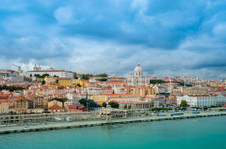
Portugal attracts expats through programs like the Golden Visa, D7 passive income visa, and Non‑Habitual Residency (NHR). English is widely used, especially in Lisbon and Porto, and Portugal is known for its safe environment, modern cities, stunning coastline, and active expat scene.

The healthcare system is excellent and affordable, with international schools available as needed.
Cost of living in Portugal
Rents for furnished one-bedroom apartments in Lisbon and Porto vary from $500–$700. Grocery bills run around $260–$300 monthly for a balanced diet. Dining out at cafés and modest restaurants usually costs $12–$18 per meal. Entertainment options—cinema, museum, beach outings - are easily accessible.
Utilities and fast broadband are comparable to Western Europe. Public transport (metro, buses) is efficient and affordable, with monthly passes typically $40–$50. Portugal offers great value with a high standard of living.
Poland
Why Poland Is attractive
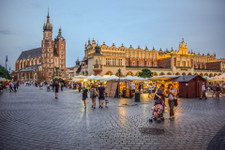
Poland welcomes expats with streamlined residency options via employment, entrepreneurship, or studies. Efficient city infrastructure, quality public healthcare, and vibrant cultural life - combined with lower costs—ensure a smooth transition. Cities like Warsaw and Kraków are bustling expat hubs.
Cost of living - projected estimates
- Rent: $400
- Groceries: $250
- Dining out: $150
- Entertainment: $80
- Internet: $25
- Phone: $10
- Transport: $40
- Total: $955/month

Hungary
Find perfect apartments in Hungary
Why Hungary Is simple to move to
Hungary provides residency through investment, study, or stable income. Budapest is a major central European expat hub with coworking spaces, English-taught universities, and English-friendly professionals.
Cost of living - projected estimates
- Rent: $400
- Groceries: $220
- Dining out: $130
- Entertainment: $80
- Internet: $25
- Phone: $10
- Transport: $35
- Total: $900/month
Monthly cost comparison table
|
Country |
Accommodation |
Groceries |
Restaurants |
Entertainment |
Internet |
Phone |
Transport |
Total Cost |
| Mexico | $550 | $215 | $160 | $100 | $21 | $8 | $40 | $1,094 |
| Albania | $300 | $150 | $100 | $80 | $20 | $10 | $30 | $690 |
| Poland | $400 | $250 | $150 | $80 | $25 | $10 | $40 | $955 |
| Bulgaria | $350 | $200 | $120 | $70 | $20 | $10 | $35 | $805 |
| Czechia | $500 | $250 | $150 | $90 | $25 | $12 | $40 | $1,067 |
| Slovakia | $450 | $230 | $140 | $85 | $25 | $10 | $35 | $975 |
| Hungary | $400 | $220 | $130 | $80 | $25 | $10 | $35 | $900 |
| Italy | $600 | $300 | $200 | $100 | $30 | $15 | $40 | $1,285 |
| Croatia | $500 | $250 | $160 | $90 | $25 | $12 | $35 | $1,072 |
| Portugal | $550 | $270 | $180 | $95 | $30 | $15 | $40 | $1,180 |
FAQ
1. How easy is it to get residency?
Most countries on the list offer digital nomad/elective residency visas. Portugal and Italy have clear visa paths for retirees and remote workers.
2. Is healthcare covered?
EU countries typically include public healthcare. Mexico has private and the IMSS public option; expats usually choose private.
3. Can I work remotely?
Yes—Portugal's D7 and other digital nomad visas explicitly support remote work. Hungary, Croatia, Czechia, Slovakia offer similar options.
4. Is language a barrier?
English is widely spoken in expat hubs. Learning Spanish, Italian, or local languages is recommended but not always necessary.
5. What is quality of life like?
High across the board: affordable living, rich cultural experiences, historic architecture, and vibrant communities.
6. Which country is the cheapest?
Albania and Bulgaria top the affordability list, followed closely by Poland, Hungary, and Slovakia.
These 10 easiest countries for American citizens to move to combine low cost of living, accessible visa options, expat infrastructure, and high quality of life.
Whether you're drawn to the beaches of Mexico, the charm of Portugal, or the affordability of Central Europe, there’s a spot that fits your lifestyle. Ready to make one of these your new home? Check out our accommodation platform Flatio and find your next home.