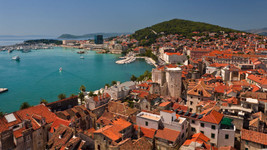
If you’re dreaming of sun-soaked beaches, historic charm, and a laid-back lifestyle, moving to Portugal from the UK might just be your ticket to a better quality of life. Whether you’re chasing career opportunities, a perfect retirement spot, or a peaceful place to raise a family, Portugal has something for everyone.
This guide dives into everything you need to know, from visas to schools, driving rules, and the best places to call home.
Find cheap apartments for rent in Portugal
Why move to Portugal from the UK?
The allure of Portugal’s climate and lifestyle
Let’s be honest - Britain’s grey skies don’t hold a candle to Portugal’s 300 days of sunshine. That glorious weather is more than just a perk...it’s a lifestyle.
Picture this: relaxed café mornings, weekend surf sessions, or a stroll through ancient cobblestone streets. Portugal’s slower pace of life is ideal for those wanting to escape the rat race and reconnect with what really matters.
In towns like Lagos or Cascais, life moves to a gentle rhythm. People take time to talk, meals are savored not rushed, and stress seems to dissolve into the ocean air. Compared to the hustle of UK cities, the difference is palpable. It’s not just about sunshine - it’s a whole mindset shift.
Financial benefits and cost of living in Portugal
Portugal’s cost of living is significantly lower than in the UK. Rent, groceries, transportation, and dining out all come with a much lighter price tag. A decent one-bedroom apartment in Lisbon costs around €800 per month, compared to over £1,500 in London.
Cost of living
The cost of living in Portugal is relatively affordable compared to other Western European countries, making it an attractive destination for expats and digital nomads. You’ll find that daily expenses - like groceries, public transportation in Portugal, and dining out - are significantly lower, especially if you avoid tourist hotspots like Lisbon and Porto.
Rent remains the biggest variable - in Lisbon, a one-bedroom apartment in the city center can cost upwards of €1,200 per month, while smaller towns offer similar housing for half that price.
Healthcare is publicly funded and highly subsidized, though many choose private insurance for faster service.
Utilities, internet, and mobile plans are reasonably priced, adding to the country's overall appeal.
If you’re working remotely or retiring on a fixed income, Portugal offers a compelling balance of quality of life and economic efficiency.
Even better, Portugal offers attractive tax benefits for expats, especially retirees and digital nomads under the NHR (Non-Habitual Resident) tax regime. You could find yourself saving money while living better. Win-win.
Moving to Portugal – what you need to know
Planning your move step-by-step
Moving to another country isn’t just about packing boxes - it’s a full-on life change. Start with a clear plan. Do your research on the city or town you want to move to. Book a scouting trip if you can. This will help you get a feel for neighborhoods, amenities, and daily life.
Next, tackle the logistics. Set a moving date, notify your landlord or sell your UK home, and make a checklist of tasks.
These include:
- Cancel UK subscriptions and utilities
- Arrange pet travel if needed
- Sort out health insurance and tax matters
- Open a Portuguese bank account
The earlier you start, the smoother your transition will be. And trust us - you’ll thank yourself later.
Shipping and relocation services
Unless you’re a minimalist, you’ll probably need help moving your belongings. International movers like Pickfords, MoveHub, and Crown Relocations specialize in UK-Portugal transfers. Costs vary depending on how much you’re moving, but expect to pay around £1,500–£4,000 for a full-service move.
Tip: Get at least three quotes and make sure the service includes customs clearance. It’s also beneficial to choose providers that offer customs and international moving support, ensuring your belongings are handled efficiently while complying with all cross-border regulations and documentation requirements. You’ll also want insurance coverage for peace of mind. If you’re moving fewer items, you could opt for a shared container to cut costs.
Cost of moving from the UK to Portugal
Here’s a rough cost breakdown:
- Shipping household goods: £1,500–£4,000
- Flights for family: £100–£400 per person
- Temporary accommodation: £500–£1,500/month
- Visa and legal fees: £200–£1,000
- Miscellaneous (pet travel, car registration, etc.): £500+
All in, expect a total budget of £3,000–£10,000 depending on your lifestyle, family size, and distance from the destination.
Find perfect apartments for rent in Lisbon
Living in Portugal as a UK citizen
Daily life and cultural adjustments
Living in Portugal is like pressing the “refresh” button on your life. There’s a sense of community that’s hard to come by in big UK cities. Neighbors talk to each other, markets are social events, and life happens outside - on terraces, beaches, and town squares.
But, be prepared for cultural differences. Bureaucracy can be slow, and patience is key. Stores close midday for siestas. Things don’t always run on time. It’s charming but takes getting used to. Still, the pros far outweigh the cons.
Language and integration
Portuguese is the official language, and while many locals in cities speak English, learning basic Portuguese will go a long way. Apps like Duolingo or classes through language schools can help you integrate faster. The locals appreciate the effort, and it opens up more opportunities - socially and professionally.
Community centers, local events, and meetups are also great ways to make friends and feel at home. Facebook groups for UK expats in Portugal can be super helpful too.
Healthcare system and access
Portugal’s healthcare system is robust and well-regarded, especially in urban areas. As a UK citizen, you’ll need private health insurance unless you gain residency status, which gives you access to the public system (SNS).
Costs for private insurance are reasonable - around €50–€150/month depending on your age and coverage level. The quality of care is high, with many English-speaking doctors and modern facilities.
Schools in Portugal – high school and university
Portuguese education system overview
Portugal’s education system is divided into:
- pre-school
- basic education (ages 6-15)
- secondary education (15-18)
- higher education (university level)
Public education is free, but classes are conducted in Portuguese, which can be a challenge for expat children.
For those staying long-term, enrolling kids in local schools can be a great way to integrate and pick up the language fast. Just be ready for an adjustment period.
International schools for expats
Many UK families opt for international schools that follow the British curriculum or IB (International Baccalaureate). These schools offer smaller classes, bilingual teaching, and familiar grading systems.
Top international schools include:
- Carlucci American International School (Lisbon)
- St. Julian’s School (Carcavelos)
- Nobel International School Algarve
Tuition ranges from €6,000 to €20,000 annually. It’s an investment, but one that ensures continuity in your child’s education.
Higher education and university options
Portugal has several highly regarded universities, many offering courses in English. The University of Lisbon, University of Porto, and NOVA University Lisbon are top picks for international students.
Tuition fees are much lower than UK rates - around €950 to €3,000 per year. Plus, students benefit from a rich cultural experience, sunny campuses, and a growing network of international peers.
Visa requirements for UK citizens
Post-Brexit visa changes
Before Brexit, UK citizens enjoyed the freedom of movement within the EU, including Portugal. Since January 1, 2021, however, moving to Portugal now involves visa applications.
UK nationals can visit for up to 90 days in any 180-day period without a visa, but staying longer or relocating permanently requires a visa and residence permit.
This change means more paperwork and planning, but the good news is that Portugal remains one of the more welcoming European countries for British expats.
Types of visas available
Several visa options in Portugal cater to different needs:
- D7 Visa (Passive Income Visa): Ideal for retirees or those with a stable income from abroad (pensions, rental income, investments). Requires proof of income and a Portuguese address.
- D2 Visa (Entrepreneur Visa): For those wanting to start a business or work as freelancers in Portugal.
- Digital Nomad Visa: Tailored for remote workers with foreign employers.
- Golden Visa: For those investing a significant amount (real estate, capital transfer) in Portugal.
- Student Visa: For individuals attending Portuguese schools or universities.
Each visa has specific requirements for income, accommodation, and background checks, so it’s vital to read the fine print.
Application process and timeline
The process generally involves:
- Gathering Documentation: Passport, criminal record, proof of income, accommodation, and insurance.
- Submitting Application: Through the Portuguese consulate in the UK.
- Interview and Approval: Typically within 60 days.
- Residence Permit: Issued by SEF (Portugal’s immigration authority) after arrival.
A lawyer or relocation consultant can simplify this process significantly. The total cost ranges from €200 to €500, depending on the visa type.
Find perfect apartments for rent in Porto
Retiring in Portugal from the UK
Why Portugal is ideal for retirees from UK
Portugal is consistently ranked among the best countries to retire in. The climate, affordable healthcare, low cost of living, and welcoming expat communities make it a dream destination for British retirees. The slower pace of life and high safety standards are just cherries on top.
Places like the Algarve offer everything from beachside rentals in Portugal to quaint countryside retreats, all with easy access to world-class golf, food, and health services.
Financial planning and pensions
One of the biggest perks of retiring in Portugal is the Non-Habitual Residency (NHR) tax scheme, which offers ten years of tax incentives. Pensions may be taxed at a flat rate of 10%, a significant drop from UK rates. However, changes in UK tax treaties may impact this, so consult a financial advisor.
Banking in Portugal is straightforward, and you can transfer your UK pension directly. Currency exchange services like Wise or Revolut can help minimize transfer fees and get better rates.
Healthcare and long-term living
Portugal’s healthcare system is excellent, particularly for seniors. Expats can opt for private health insurance initially, and once you become a resident, you gain access to the public system.
Long-term care options, such as assisted living or in-home care, are available and much more affordable than in the UK. Many facilities even offer English-speaking staff.
The result? A retirement that combines peace of mind with high living standards.
Driving in Portugal with a UK license
Validity of UK driving license
After Brexit, UK licenses are no longer automatically valid long-term in Portugal. However, you can still drive legally for up to 185 days after becoming a resident. After that, you’ll need to exchange your license for a Portuguese one.
If you’re visiting (not residing), you can use your UK license without issues during short stays.
License Exchange Process
The process involves:
- Registering your license with IMT (Portuguese road authority)
- Providing documents such as passport, residency proof, and a medical certificate
- Paying a small fee (around €30)
No driving test is required for exchange, but delays are common, so apply early. Temporary driving permits may be issued during the wait period.
Also, make sure your license has not expired. If it has, you might be required to take a driving test.
Car registration and insurance
Bringing your UK car to Portugal? You’ll need to register it locally within 12 months.
This involves:
- Paying Import Duty and VAT (unless eligible for exemptions)
- Vehicle inspection (IPO)
- Emissions compliance
Portuguese car insurance is mandatory. UK-based insurers won’t cover you long-term, so you’ll need a local provider like Fidelidade, Tranquilidade, or Liberty Seguros.
How to call Portugal from the UK
Dialing codes and phone etiquette
Calling Portugal from the UK is simple once you know the international dialing format.
Here’s how to do it:
- Dial 00 (UK’s international access code)
- Then 351 (Portugal’s country code)
- Followed by the 9-digit Portuguese number
Example: 00 351 912 345 678
Portuguese mobile numbers usually start with “9,” while landlines start with regional codes like “21” (Lisbon) or “22” (Porto).
In terms of etiquette, keep in mind:
- Portuguese people are formal with strangers. Use "Senhor" or "Senhora" initially.
- Avoid calling during lunch hours (1–3 PM) or after 9 PM unless urgent.
Cheapest ways to call internationally
International calls can be pricey, but there are budget-friendly alternatives:
- WhatsApp, Skype, or Zoom: Free when connected to Wi-Fi
- Local SIM cards: Vodafone, NOS, or MEO offer international packages
- VOIP services like Rebtel or Viber Out: Allow cheap calls from mobiles
If you call frequently, consider a UK mobile plan that includes EU calling minutes or get a dual-SIM phone.
Find perfect apartments for rent in Madeira
Travel to Portugal from the UK
Flights and travel options
Getting to Portugal from the UK is quick and easy. Major cities like Lisbon, Porto, and Faro have direct flights from London, Manchester, Birmingham, and Edinburgh. Budget airlines such as Ryanair, EasyJet, and Wizz Air offer affordable options starting as low as £20 for a one-way ticket.
Flight time averages about 2.5 hours. For those wanting to take the scenic route, driving via France and Spain or taking a train through Paris and Madrid are viable (though longer) alternatives.
Covid-19 and entry requirements
As of now, entry to Portugal is straightforward. There are no quarantine requirements for fully vaccinated travelers, though this may change based on evolving circumstances. Always check the latest guidance from the UK Foreign Office and Portuguese SEF.
You'll need:
- A valid passport
- Travel insurance
- Possibly a negative Covid-19 test or proof of vaccination
Some airlines may also require passenger locator forms, so check in advance.
Tips for a smooth journey
- Book flights early: Especially in summer months, demand spikes.
- Use Lisbon or Porto for best connections
- Download translation apps and travel guides
- Travel light to avoid baggage delays
The journey is part of the adventure, and with a bit of preparation, yours can be stress-free and enjoyable.
UK digital nomads in Portugal
Why Portugal is a hotspot for nomads
Portugal has rapidly become one of the top destinations in Europe for digital nomads - and with good reason. From the cozy cafés of Lisbon to the sunny terraces in Porto and the Algarve, remote workers are flocking here for the weather in Portugal, affordability, and vibrant culture.
Lisbon and Porto, in particular, have built a solid reputation as digital nomad havens. These cities combine modern infrastructure with a laid-back lifestyle that allows you to balance work and play beautifully. The country also scores high in safety, healthcare, and overall quality of life - major pluses for nomads seeking a reliable long-term base.
Another draw? Portugal’s friendly attitude toward foreigners. English is widely spoken, especially in tech hubs and coworking spaces, so integrating into the local scene isn’t as daunting as in other countries.
Coworking spaces and networking
One of the best parts about being a digital nomad in Portugal is the abundance of coworking spaces. Whether you’re in a beach town or the heart of Lisbon, you’re never far from a stylish, well-equipped office space.
Some top coworking spots include:
- Second Home (Lisbon) – Modern, trendy, and filled with plants
- Impact Hub (Lisbon & Porto) – Great for entrepreneurs
- LACS (Lisbon) – Creative and vibrant community
Networking events, meetups, and tech conferences happen year-round, helping you build both business and personal connections. Facebook groups like “Digital Nomads Portugal” or “Lisbon Digital Nomads” are excellent for finding events and advice.
Internet and tech infrastructure
Portugal offers solid internet coverage across cities and most rural areas. Average speeds in urban zones exceed 100 Mbps, which is more than enough for video calls, streaming, and cloud-based work. Mobile data is also affordable, with carriers offering generous prepaid plans.
Tech support services, repair shops, and digital tools are all accessible, ensuring you won’t hit a tech wall during your stay. It’s a modern country wrapped in a charming, historical shell - perfect for the digital age.
Best places to live in Portugal
Lisbon – The cosmopolitan capital
Lisbon is Portugal’s beating heart - a mix of old-world charm and modern buzz. With its iconic yellow trams, historic neighborhoods like Alfama and Bairro Alto, and stunning river views, the city offers something for everyone.
It’s particularly attractive to young professionals and creatives, thanks to its booming startup scene, international schools, and cultural richness.
The city boasts:
- Excellent public transport
- Great healthcare facilities
- A diverse food scene
However, housing costs are rising. A one-bedroom flat in the city center can cost €1,000+, so budget wisely.
Porto – Cultural and economic hub
If Lisbon is a wild celebration, Porto is a refined conversation. Known for its world-famous wine, colorful riverside buildings, and relaxed atmosphere, Porto is ideal for families and those wanting a quieter pace without sacrificing amenities.
It’s cheaper than Lisbon, with similar charm. The local job market in tech, tourism, and education is growing, and it’s well connected by train and air. Education and healthcare options are excellent, and expats will find a warm welcome in this northern gem.
Algarve – Retirement and relaxation
Find perfect apartments for rent in Algarve
For retirees and sun-seekers, the Algarve is paradise. With over 300 days of sunshine a year, turquoise beaches, and golf resorts, it’s no wonder Brits make up a large chunk of the local population.
Popular towns include:
- Faro – Coastal city with all modern amenities
- Lagos – Historic and lively
- Albufeira – Popular with families
The pace is slower, and English is widely spoken. Property prices are more affordable than Lisbon, and the lifestyle is unbeatable for retirees.
Hidden gems and small towns
Looking to escape the crowds? Try towns like:
- Évora – Rich in Roman history
- Coimbra – Home to one of Europe’s oldest universities
- Braga – Vibrant, youthful, and affordable
These smaller towns offer lower living costs, tight-knit communities, and stunning natural surroundings. They’re great for remote workers, artists, or anyone looking to slow down and soak up authentic Portuguese life.
FAQs
1. What is the best way to move household goods to Portugal?
Hiring an international moving company with experience in UK–Portugal relocations is best. Choose a firm that handles customs clearance, offers insurance, and fits your budget.
2. Can I use the NHS while living in Portugal?
No. Once you become a resident in Portugal, you won’t be eligible for NHS coverage. You’ll need to use either private insurance or register with the Portuguese public healthcare system.
3. Is it easy to buy property in Portugal as a UK citizen?
Yes, foreigners are allowed to buy property in Portugal without restrictions. The process is straightforward but hiring a local lawyer is recommended for due diligence.
4. How much money do I need to live comfortably in Portugal?
On average, a single person can live comfortably on €1,200–€1,800 per month. Couples or families will need more, especially in cities like Lisbon or Porto
5. What are the most popular jobs for expats in Portugal?
Teaching English, IT, tourism, and real estate are popular sectors. Many also work remotely for foreign employers or start their own businesses under the D2 visa.