The Iberian Peninsula offers a unique allure for expats seeking history, culture, and sun-kissed coastlines. Nestled on its Atlantic and Mediterranean coasts respectively, Lisbon and Barcelona stand out as two of the most attractive destinations in Europe for relocation. Each city carries a distinct personality - Lisbon with its pastel buildings and soulful fado music, and Barcelona with its gothic alleys and the surreal beauty of Gaudí’s architecture.
If you’re weighing the pros and cons of living in either city, this detailed guide will walk you through every key consideration - from cost of living and safety, to visa requirements and expat life - to help you determine which city is a better match for your lifestyle and goals.
Find perfect apartments for rent in Europe
Visas, taxes & bureaucracy
For EU citizens, relocating to either country is relatively seamless. But for non-EU nationals (such as those from the USA, UK, or Latin America), the visa landscape is crucial - and Portugal generally comes out ahead.
Visa accessibility
Portugal
When it comes to ease of moving, Portugal often leads the way, especially for non-EU citizens. The country’s visa options are more straightforward and accessible. A prime example is the D7 visa, often referred to as the “retirement visa” or “passive income visa.” It's an attractive option for those with regular income from pensions, investments, or rentals in Portugal. As of 2025, the requirement is a modest €870 per month - significantly lower than similar visa thresholds in many Western nations.
Spain
Spain, on the other hand, offers a Digital Nomad Visa, but the income requirement is much steeper. Applicants must show a monthly income of at least €2,334 (based on 2023 rates), roughly double that of Portugal’s D7 visa. While Spain's digital nomad visa still appeals to many remote workers, the income barrier can be a deterrent for freelancers or early-stage entrepreneurs.
Taxes & citizenship
Taxation is a complex topic, but some generalizations can be made. Portugal does not levy a wealth tax, and it offers a very competitive Non-Habitual Residency (NHR) program, which allows for significant tax breaks over a 10-year period for qualifying new residents. This has made it especially appealing for retirees and high-net-worth individuals.
In Spain, while the public services are excellent, taxation can be heavier depending on your income and asset structure. Wealth taxes may apply in certain regions, and there's no NHR equivalent nationwide.
Citizenship requirements also differ sharply. Portugal allows residents to apply for citizenship after five years, and importantly, the country allows dual nationality. Spain typically requires ten years of residency, and often mandates relinquishing your previous nationality, unless you're from a Latin American country or the Philippines.
Find perfect apartments in Portugal
Community & culture
Both cities are well-known for their dynamic expat scenes, and you’ll find large, welcoming communities in each.
Lisbon
Lisbon, in particular, has exploded in popularity among digital nomads, with massive Facebook and Meetup groups offering everything from networking events to language exchanges. The city has become a global hotspot, often grouped with digital nomad havens like Bali, Chiang Mai, and Medellín.
Barcelona
Barcelona also has a thriving international community, particularly among creatives, tech workers, and entrepreneurs. Its cosmopolitan atmosphere makes it easy to meet people from all over the world. Whether you’re looking to join a co-working space, find language partners, or just meet new friends, both cities offer ample opportunity. That said, integrating into the local community can be more challenging in both cities without language skills.
City size & vibe
Size and pace can dramatically affect your lifestyle.
Barcelona
Barcelona is a larger, bustling city with a population of around 1.6 million, offering a big-city feel complete with high-rise offices, metro systems, and international commerce hubs. There’s a palpable energy in Barcelona - it’s always alive, vibrant, and full of things to do.
Lisbon
Lisbon, by contrast, feels more intimate and laid-back with a population of about 500,000. While it still has all the amenities of a capital city, it retains a more relaxed pace. Cobblestone streets, local bakeries, and miradouros (scenic viewpoints) contribute to its charm. If you enjoy a quieter lifestyle with bursts of excitement, Lisbon might be your better fit.

Weather comparison
Weather is often a key factor in the decision to move abroad. Both Lisbon and Barcelona enjoy Mediterranean climates, but there are subtle differences.
Lisbon, located farther south and facing the Atlantic Ocean, typically enjoys slightly warmer winters and cooler summers, thanks to the ocean breeze. Rainfall is a bit more frequent, especially in the winter months.
Barcelona, positioned on the Mediterranean Sea, tends to have hotter, humid summers and cooler winters compared to Lisbon. While both cities are sunny and pleasant year-round, if warm winters are a priority, Lisbon may offer a slight edge.
Language: English proficiency & learning curve
Language can be a significant barrier or a bridge depending on where you land. While English is widely spoken in tourist areas in both cities, Portugal often ranks higher in English proficiency. Locals, especially younger generations and those working in hospitality or tech, tend to speak excellent English.
In Spain, English is less commonly spoken, particularly among older residents or in public offices. However, the Spanish language is globally spoken, making it a worthwhile investment. In contrast, European Portuguese is spoken by fewer people globally, but it’s rich and beautiful, with growing resources for learners.
Safety: is one city safer?
Safety is paramount, and both cities are considered relatively safe by European standards. However, there are nuances. Lisbon consistently ranks as one of the safest cities in Europe, with low rates of violent crime. Petty crimes, like pickpocketing and occasional break-ins, are the most common issues but are generally avoidable with basic precautions.
Barcelona, while vibrant and beautiful, has a well-earned reputation for pickpocketing, especially in crowded areas like La Rambla, tourist attractions, and public transportation. Violent crime is rare but occurs slightly more frequently than in Lisbon.
Cost of living
The cost of living in both cities has increased significantly due to global inflation and growing popularity among expats. Lisbon used to be the more affordable option, but prices have nearly leveled.
Rent for a one-bedroom apartment in the city centre averages around €1,264 in Lisbon and €1,150 in Barcelona. Property purchase prices are also neck and neck, with Lisbon slightly ahead. Day-to-day expenses - food, transport, entertainment - are similar, though Spain tends to have cheaper petrol and electricity.
A crucial difference lies in average wages. Barcelona offers higher local salaries, making it more sustainable for those seeking employment locally rather than living off foreign income.
Find perfect apartments for rent in Spain
Airport & international travel access
Both cities are international travel hubs, but Barcelona edges ahead in terms of connectivity. It has two major airports - El Prat and Reus - offering numerous long-haul and budget airline options. Flights to North America, Asia, and other parts of Europe are more frequent and often cheaper.
Lisbon Airport, while modern and efficient, handles fewer long-distance flights. For certain destinations, travelers might need to connect through Madrid, London, or Amsterdam, adding extra time and cost to international travel.
Beaches: sea & sun Access
If being by the beach is essential, Barcelona wins for convenience. The city has several walkable beaches, like Barceloneta, San Sebastià, and Bogatell, right from the urban core. You could finish work at a café and be swimming in the sea 20 minutes later - it’s that easy.
Lisbon, while coastal, doesn’t have beaches within walking distance of the city centre. The closest, Carcavelos, is about 20 minutes by train from Cais do Sodré. For more pristine beaches, like Costa da Caparica or Guincho, a longer bus ride or a car is necessary. While still easily reachable, they don’t offer the same impromptu beach vibe as Barcelona.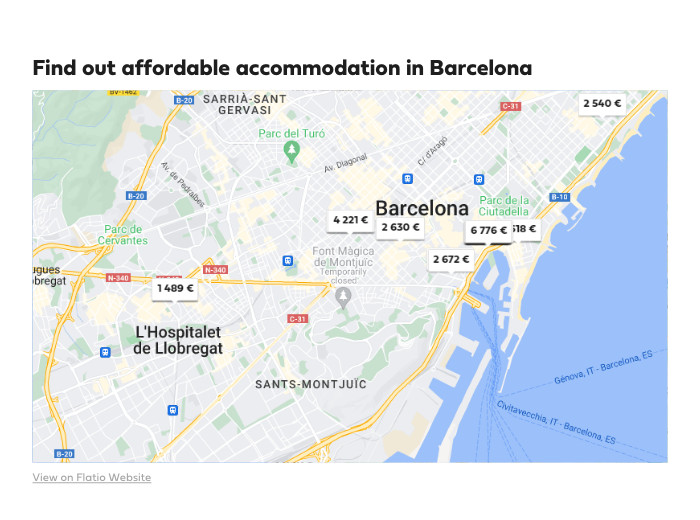
FAQs about living in Lisbon vs Barcelona
1. Which city is better for digital nomads?
Lisbon is often considered one of the best cities in the world for digital nomads. It combines a laid-back lifestyle with affordable living, reliable public transportation, fast internet, and a friendly visa system. The presence of countless co-working spaces, digital nomad meetups, and tech conferences makes it a thriving ecosystem for remote workers. The city also has a creative and entrepreneurial buzz that appeals to freelancers and solopreneurs.
Barcelona, while more expensive and slightly more bureaucratic in terms of visa requirements, is still a strong contender. Its digital infrastructure is robust, and the city buzzes with innovation, especially in fields like design, architecture, and tech startups. However, the higher cost of living and the more complex Spanish residency system may deter some remote professionals.
2. Is healthcare better in Portugal or Spain?
Both countries boast excellent public healthcare systems, consistently ranked among the best in Europe. Spain’s healthcare system is slightly better funded and often ranks higher globally, offering shorter waiting times and more advanced infrastructure in major cities like Barcelona. Expats working or contributing to the Spanish social security system can access this system for free or at a low cost.
Portugal also provides high-quality care, with universal coverage and a growing network of private hospitals and clinics. Lisbon has seen an improvement in healthcare infrastructure in recent years, especially in private facilities catering to international residents. Private health insurance is affordable and widely used by expats in both countries for faster service and English-speaking doctors.
3. Can I get by with just English?
Yes, but with varying ease. In Lisbon, you'll find that many locals speak English, especially those working in tourism, business, and younger demographics. The country's education system places a strong emphasis on English, and many services cater to English-speaking expats.
Barcelona presents a bigger challenge. While English is spoken in tourist areas and by some professionals, proficiency is generally lower. Moreover, Catalan is an official language alongside Spanish, and it is commonly used in signs, schools, and government documents. You’ll encounter more language barriers in day-to-day life, making it worthwhile to learn at least basic Spanish or Catalan if you plan to integrate deeply into local life.
4. Which is more family-friendly?
Both cities are excellent for families, offering safety, quality healthcare, and abundant educational options. Barcelona has a slight advantage when it comes to international schools, recreational parks, museums, and kid-friendly infrastructure. It also has a wider variety of extracurricular programs and cultural events geared toward children.
Lisbon, while slightly quieter and more affordable, offers a warm, family-centric culture. It’s an excellent place for raising young children, thanks to lower pollution levels and a slower pace of life. The education system is steadily improving, and international schools are available, though not as plentiful as in Barcelona.
5. Is property more affordable in Lisbon or Barcelona?

As of 2025, Lisbon’s property prices have edged slightly above those in Barcelona, particularly in prime central neighborhoods such as Alfama, Príncipe Real, and Avenida da Liberdade. Gentrification and a surge in foreign investment have pushed prices higher, although suburban and surrounding areas like Cascais and Sintra remain more affordable.
In Barcelona, while prices in central districts like Eixample and Gràcia are still high, there are more affordable options in up-and-coming neighborhoods like Sant Andreu or El Poblenou. For buyers looking for value, Barcelona might offer a slight edge — especially considering the broader range of properties and better access to urban amenities.
6. Which city is better for retirees?
Lisbon has become a retirement haven, especially for North Americans and Brits. The combination of mild weather, low cost of living, excellent healthcare, and the easy-to-obtain D7 visa makes it a top choice. Portugal’s pension-friendly tax policies and the possibility of gaining citizenship after five years further sweeten the deal.
While Barcelona offers a culturally rich retirement option, Spain’s higher visa and income requirements, longer citizenship wait times, and more complex tax systems may pose challenges for retirees on fixed incomes. That said, Barcelona’s amenities, cultural life, and vibrant atmosphere can be highly appealing to those seeking an active retirement.
Lisbon or Barcelona – which should you choose?
Choosing between Lisbon and Barcelona isn't easy - both are stunning cities offering high-quality lifestyles, vibrant cultures, and welcoming expat communities. Your decision will ultimately depend on your priorities and lifestyle goals.
If you’re looking for a more relaxed, budget-friendly lifestyle with easy residency options, Lisbon might be your best bet. It’s ideal for retirees, digital nomads, and those who appreciate charm, tradition, and beautiful views in a more compact and navigable city.
If you prefer a cosmopolitan city with a thriving cultural scene, better wages, more direct international connections, and access to beaches right in the city, Barcelona could be the perfect match. It suits younger professionals, creatives, and families who enjoy the energy of a bigger city.
Both cities offer rich experiences, unforgettable moments, and a gateway to exploring Southern Europe. Whichever you choose, you're in for a life of sunshine, culture, and community.
Find perfect rentals in Barcelona
Main photo credit: Erwan Hesry on Unsplash