Not long ago, working remotely while traveling was considered an unusual lifestyle reserved for freelancers and a small group of location-independent professionals. Today, digital nomadism has become a realistic way to work for employees, entrepreneurs, and businesses around the world.
The shift is largely driven by technology.
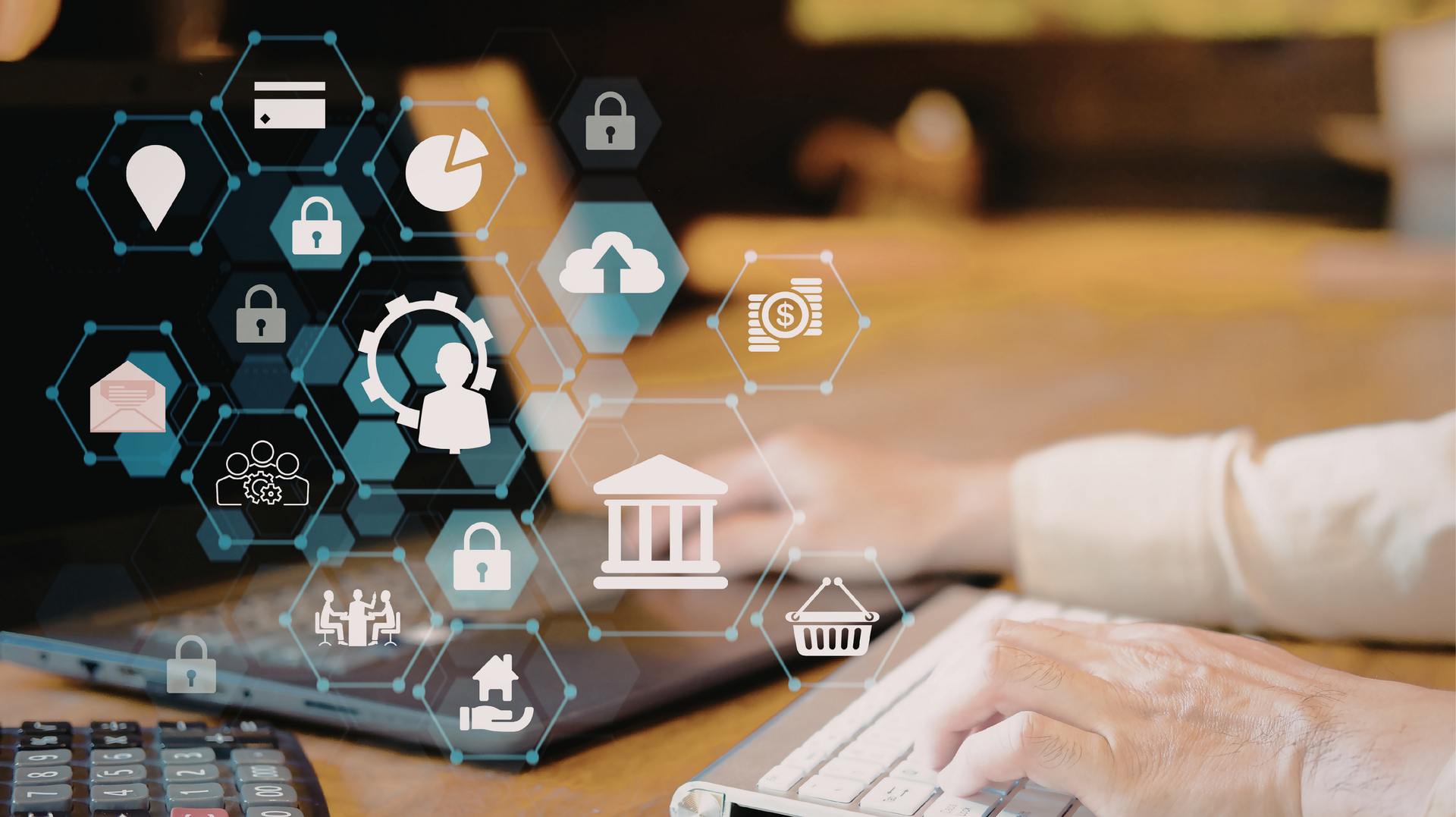
From cloud-based software and video conferencing to digital payments, cybersecurity, and AI-powered productivity tools, technology makes it possible for people to work effectively from almost anywhere. For digital nomads, choosing the right technology is no longer simply about convenience—it can directly influence productivity, income, communication, and the ability to maintain a sustainable location-independent lifestyle.
Competitive Advantage Is Increasingly Digital
Digital nomads often compete in global markets rather than local ones.
A freelancer in Lisbon may work with a company in London, while a consultant in Bangkok might manage clients across several time zones. In these environments, professionals need to differentiate themselves through speed, communication, reliability, and the quality of their work.
Technology makes that possible.
Project management platforms, collaboration tools, automation software, and cloud storage allow independent professionals to deliver work efficiently regardless of where they are located. Those who build effective digital workflows can often serve clients more efficiently than professionals who rely on traditional, location-dependent processes.
For digital nomads, technology has become part of the competitive advantage.
Technology Trends Influence Remote Work Decisions
Digital nomads need to understand more than just the tools they currently use.
Artificial intelligence, cybersecurity, cloud computing, automation, digital payments, and collaboration platforms are constantly changing how remote professionals work. Remote professionals who use AI for research, writing, or problem-solving can also experiment with newer models such as GLM 5.2 on Lorka as part of a broader AI-powered workflow. Staying informed about these developments can help digital nomads identify better tools, improve their workflows, and adapt to new opportunities.
Many professionals follow updates through the riproar tech news category to keep up with emerging technologies and understand how new developments could affect their work.
Keeping up with technology can be particularly valuable for digital nomads because their ability to work remotely depends heavily on having reliable digital infrastructure.
Client Expectations Continue to Evolve
Technology has also changed what clients expect from remote professionals.
Clients increasingly expect fast communication, seamless collaboration, reliable file sharing, online meetings, digital contracts, and quick access to project updates. Being in another country is rarely an acceptable reason for poor communication or missed deadlines.
Digital nomads therefore need systems that allow them to provide a professional client experience regardless of their physical location.
A strong remote-work setup can make a freelancer working from a small apartment in another country appear just as accessible and organized as someone working from a traditional office.
Data Has Become a Strategic Asset
Digital nomads generate and manage significant amounts of data.
Client information, project files, financial records, passwords, contracts, analytics, and communications may all be stored digitally. Keeping this information organized and secure is essential when working from different locations and networks.

Cloud storage and password management tools can make information accessible across multiple devices, while analytics platforms help freelancers and entrepreneurs understand their performance and identify opportunities for growth.
For location-independent professionals, good data management isn't simply an administrative task. It is part of maintaining a reliable and sustainable business.
Automation Changes How Digital Nomads Grow
One of the biggest advantages technology provides digital nomads is the ability to automate repetitive work.
Scheduling, invoicing, email follow-ups, social media publishing, lead management, reporting, and other administrative tasks can often be automated. This allows professionals to spend more time on client work, business development, and activities they actually enjoy.
Automation is especially valuable when traveling because digital nomads may have limited working hours or frequently change locations.
Instead of spending an entire afternoon handling repetitive administrative tasks, an automated workflow can continue operating in the background while the professional focuses on higher-value work.
Technology Shapes Every Part of the Nomadic Lifestyle
Technology isn't limited to the professional side of digital nomadism.
It can influence almost every part of life abroad. Travel booking platforms help professionals organize accommodation and transportation. Digital banking makes managing finances across countries easier. Translation applications help overcome language barriers, while navigation and communication apps make unfamiliar destinations easier to navigate.
Remote professionals also rely on technology to stay connected with clients, colleagues, friends, and family.
The result is a lifestyle where work, travel, communication, and everyday logistics are increasingly connected through digital tools.
Innovation Creates New Remote Opportunities
Many of the opportunities available to digital nomads today would have been difficult to imagine a decade ago.
Remote agencies, online education businesses, SaaS companies, creator businesses, digital consulting, freelance marketplaces, and AI-powered services have created new ways for people to earn income without being tied to a particular location.
Technology has also lowered the barriers to starting a small online business. A laptop, internet connection, cloud software, and a specialized skill can sometimes be enough to begin serving clients internationally.
As technology continues to develop, even more professions are likely to become compatible with location-independent work.
Remote Work Requires Digital Understanding
Digital nomads don't necessarily need to be technology experts, but they do need to understand the tools that support their work.
Knowing how to protect accounts, back up important files, manage cloud applications, communicate across time zones, and troubleshoot basic technical problems can make a significant difference.
Cybersecurity is particularly important for people who frequently work from cafés, coworking spaces, hotels, airports, and other public environments. Using secure networks, strong passwords, multi-factor authentication, and reliable backup systems can help reduce unnecessary risks.
Digital literacy has therefore become an essential skill for anyone building a location-independent career.
A Successful Nomadic Lifestyle Depends on Technology
The most successful digital nomads aren't necessarily those with the newest or most expensive technology.
They are the ones who choose tools intentionally and build systems around the way they work and travel.
A reliable laptop, stable internet connection, cloud storage, communication platforms, project management software, digital payment solutions, and security tools can form the foundation of an efficient remote-work setup.
Technology doesn't replace discipline, organization, or professional skills. Instead, it provides the infrastructure that allows those skills to work across borders.
For digital nomads, technology is no longer simply a collection of convenient tools.
It is what makes location-independent work possible.
As remote work continues to evolve, the connection between technology, productivity, and travel will become even stronger. Digital nomads who understand how to use technology strategically will be better positioned to work efficiently, serve international clients, explore new destinations, and build sustainable careers without being tied to a traditional office.