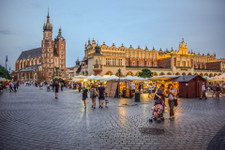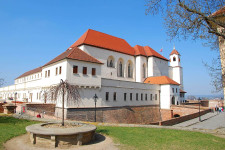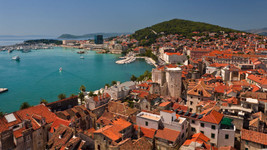
The digital nomad movement has transformed the traditional concept of work. Instead of spending years in a fixed office, millions of professionals now earn a living while traveling across different countries. Thanks to high-speed internet, cloud-based collaboration tools, and flexible work arrangements, people can manage businesses, freelance projects, or remote jobs from almost anywhere.
However, becoming a successful digital nomad involves much more than booking flights and carrying a laptop. It requires careful planning, choosing the right accommodation, maintaining productivity, and balancing work with travel experiences. Whether you're considering your first remote work adventure or looking to improve your current lifestyle, understanding these essentials will help you thrive.
What Is a Digital Nomad?
A digital nomad is someone who works remotely while living in different locations instead of staying in one permanent residence. They rely on technology to complete their work and communicate with clients, employers, or teams.
Unlike traditional travelers, digital nomads often stay in one destination for several weeks or months before moving on to another location. This allows them to experience local culture while maintaining a stable work routine.
Common professions among digital nomads include:
- Software developers
- Digital marketers
- Graphic designers
- Writers and editors
- Virtual assistants
- Online teachers
- Business consultants
- E-commerce entrepreneurs
The growing acceptance of remote work has made this lifestyle accessible to professionals across many industries.
Why More Professionals Are Choosing the Digital Nomad Lifestyle
Several factors have contributed to the popularity of digital nomadism.
Greater Flexibility
Remote work gives professionals control over where they live and work. Instead of planning vacations around limited annual leave, digital nomads can explore new destinations throughout the year.
Better Work-Life Balance
Many remote workers prefer spending breaks on beaches, hiking trails, or historic city centers rather than commuting through busy traffic. This often leads to reduced stress and improved overall well-being.
Find perfect apartments for rent in Prague
Lower Living Costs
Many digital nomads strategically choose destinations where the cost of living is lower than their home country. This allows them to enjoy a comfortable lifestyle while saving money.
Cultural Experiences
Living in different countries offers opportunities to learn new languages, experience diverse traditions, and build international friendships that enrich both personal and professional life.
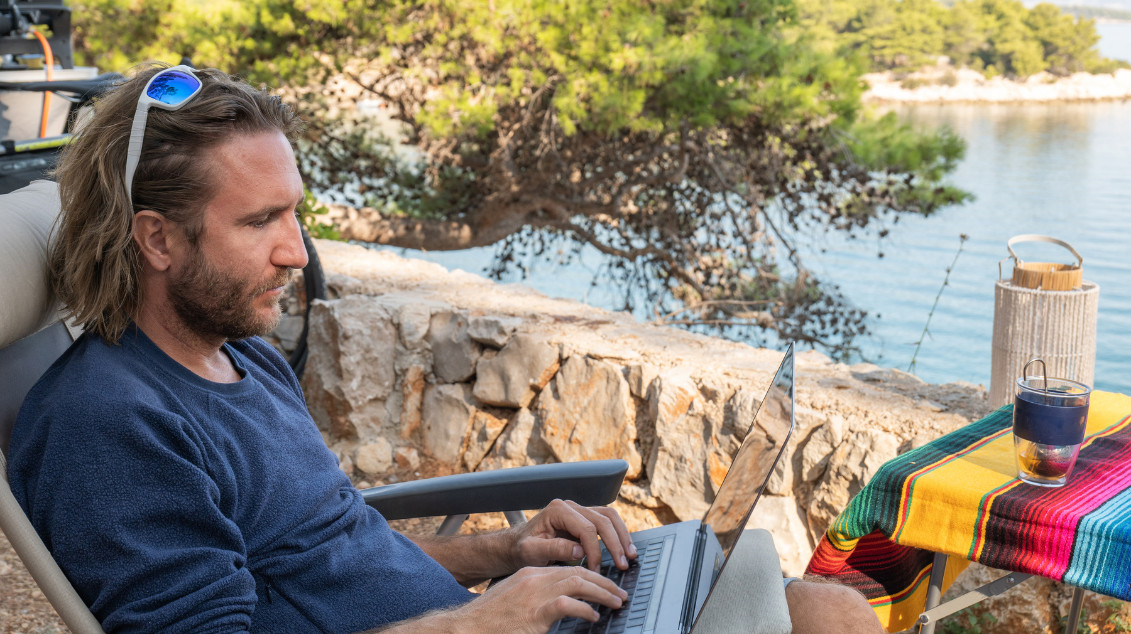
Choosing the Right Accommodation
Accommodation plays a major role in a digital nomad's success. While hotels may work for short vacations, long-term remote work requires more practical living arrangements.
Digital nomads generally look for:
- Reliable high-speed internet
- Fully furnished apartments
- Comfortable workspaces
- Kitchen facilities
- Laundry access
- Flexible rental periods
- Safe neighborhoods
- Easy access to public transportation
Finding accommodation that combines these features allows remote professionals to focus on work instead of dealing with logistical challenges.
Platforms that specialize in furnished mid-term rentals have become increasingly popular because they simplify the relocation process and eliminate many of the uncertainties associated with traditional leasing.
Creating a Productive Workspace Anywhere
One of the biggest challenges of remote work is maintaining consistent productivity despite changing environments.
Invest in Essential Equipment
A lightweight laptop, noise-canceling headphones, portable monitor, wireless mouse, and reliable power bank can dramatically improve comfort and efficiency.
Prioritize Ergonomics
Even temporary workspaces should promote good posture. Using adjustable chairs and proper desk heights helps prevent fatigue during long working hours.
Maintain a Routine
Many successful digital nomads follow regular work schedules regardless of their location. Setting consistent working hours helps separate professional responsibilities from leisure activities.
Minimize Distractions
Although working from cafés or beaches sounds appealing, these environments may not always support deep concentration. Having access to a quiet apartment workspace often leads to higher productivity.
Managing Time Across Different Time Zones
Remote professionals frequently collaborate with clients or colleagues in multiple countries.
Effective time management includes:
Scheduling Meetings Carefully
Using shared calendars ensures everyone knows meeting times regardless of location.
Planning Deep Work Sessions
Reserve uninterrupted hours for tasks requiring maximum concentration before attending meetings or responding to messages.
Using Productivity Tools
Applications for project management, note-taking, and communication help digital nomads stay organized despite frequent travel.
Financial Planning for Digital Nomads
Financial stability is essential for maintaining a sustainable nomadic lifestyle.
Important considerations include:
Emergency Savings
Unexpected travel changes, medical expenses, or equipment failures can occur. Having several months of emergency funds provides valuable peace of mind.
Budgeting
Tracking monthly expenses allows travelers to identify affordable destinations while avoiding unnecessary spending.
Insurance
Travel insurance and health coverage are important investments that protect against unexpected emergencies abroad.
Tax Responsibilities
Digital nomads should understand the tax regulations that apply to their home country and any countries where they spend extended periods.
Consulting qualified tax professionals can prevent costly mistakes.

Staying Healthy While Traveling
Constant movement can make it difficult to maintain healthy habits.
Successful digital nomads often prioritize:
Regular Exercise
Walking, cycling, gyms, yoga classes, and hiking help offset long hours spent working on computers.
Nutritious Meals
Preparing meals at home instead of relying entirely on restaurants supports better nutrition and reduces expenses.
Adequate Sleep
Frequent travel should not come at the expense of quality sleep. Maintaining consistent sleeping patterns improves productivity and overall health.
Mental Well-Being
Loneliness can occasionally affect long-term travelers. Joining local communities, coworking spaces, and networking events helps build meaningful social connections.
The Importance of Reliable Infrastructure
Every profession depends on having the right tools to complete tasks efficiently. Digital nomads require dependable internet, comfortable workspaces, and quality accommodation to perform at their best. Similarly, industries such as construction, maintenance, and warehousing depend on specialized equipment like an aerial platform lift to safely access elevated work areas and complete projects with greater efficiency. In both situations, investing in the right resources improves productivity while minimizing unnecessary challenges.
Popular Destinations for Digital Nomads
Some destinations consistently attract remote workers due to their affordability, infrastructure, and vibrant communities.
Popular locations include:
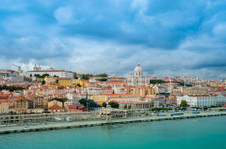
- Lisbon, Portugal
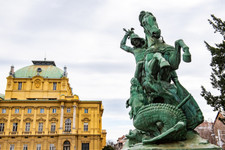
- Prague, Czech Republic
- Bali, Indonesia
- Chiang Mai, Thailand
- Medellín, Colombia
- Budapest, Hungary
- Split, Croatia
- Madeira, Portugal
These cities offer excellent internet connectivity, coworking spaces, welcoming communities, and numerous recreational opportunities outside working hours.
Tips for Long-Term Success
Digital nomadism is rewarding, but sustainability requires discipline.
Keep these best practices in mind:
- Maintain a consistent daily routine.
- Always have backup internet options.
- Schedule regular breaks to avoid burnout.
- Respect local cultures and customs.
- Continue learning new professional skills.
- Build relationships with fellow remote workers.
- Review financial goals regularly.
- Balance exploration with work commitments.
Developing these habits allows remote professionals to enjoy freedom without sacrificing career growth.
Conclusion
The digital nomad lifestyle offers a unique opportunity to combine meaningful work with global exploration. Advances in technology and the increasing acceptance of remote employment have made it possible for professionals to build successful careers while experiencing different cultures, landscapes, and communities around the world.
Success as a digital nomad depends on thoughtful planning, choosing reliable accommodation, maintaining healthy routines, managing finances wisely, and staying productive regardless of location. By investing in the right environment and adopting effective work habits, remote professionals can enjoy the flexibility of traveling while continuing to achieve their long-term career goals. As remote work continues to evolve, digital nomadism is likely to become an even more attractive lifestyle for professionals seeking both personal freedom and professional fulfillment.